
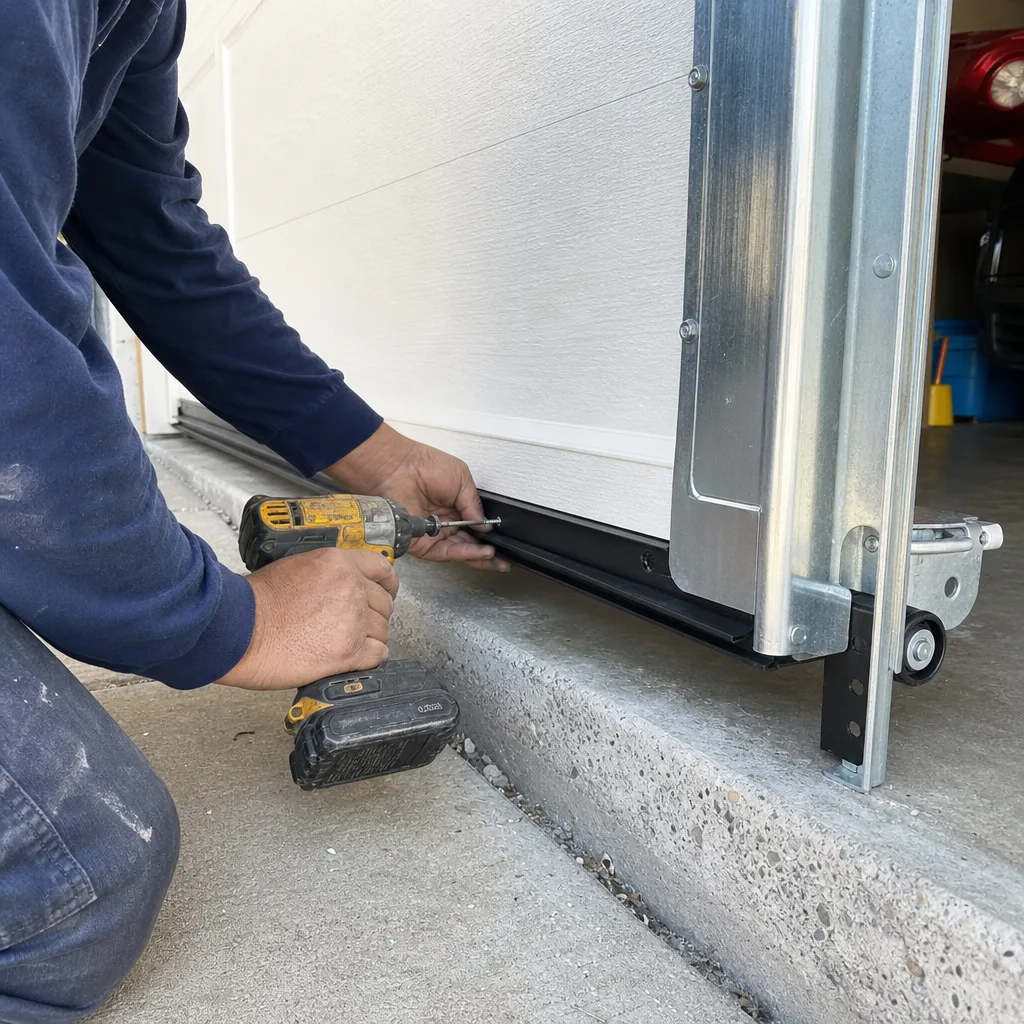
Last updated November 2, 2026
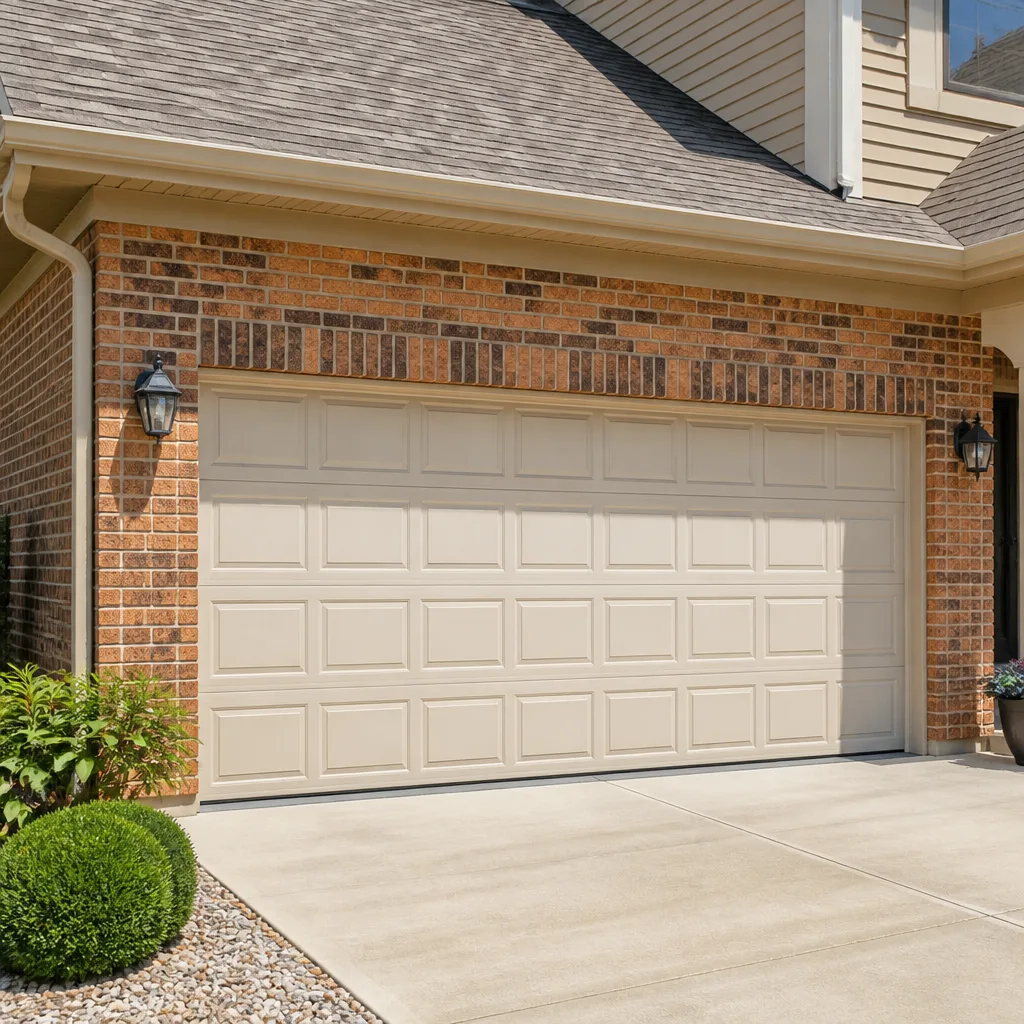 Raised-panel steel
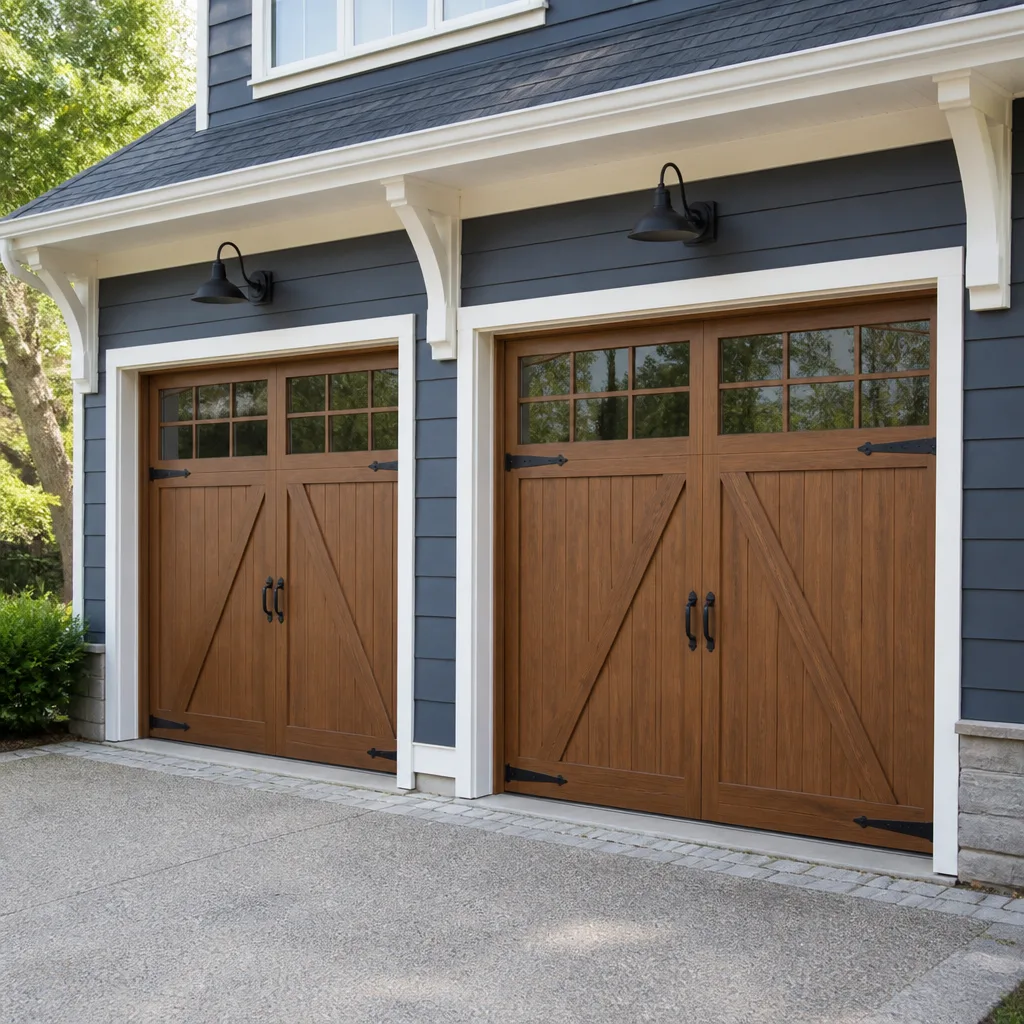 Carriage house
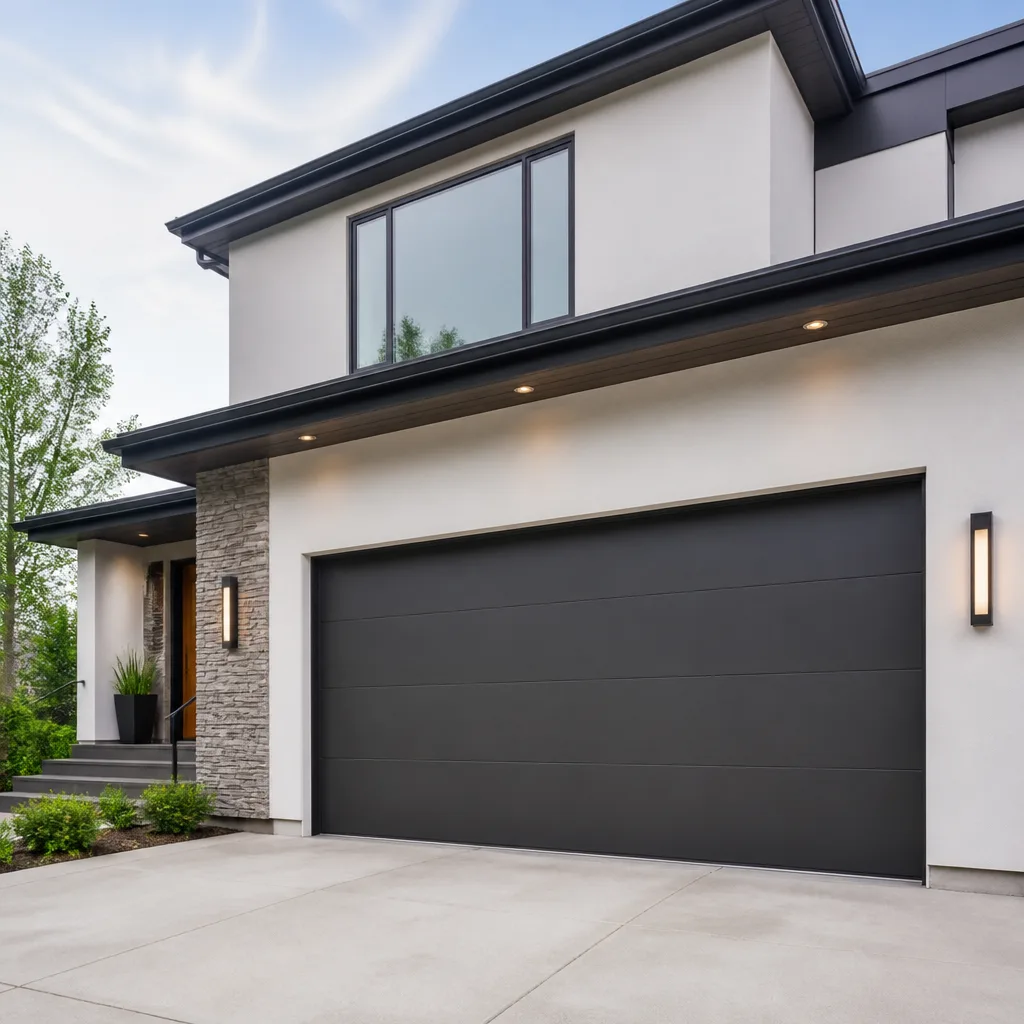 Modern flush
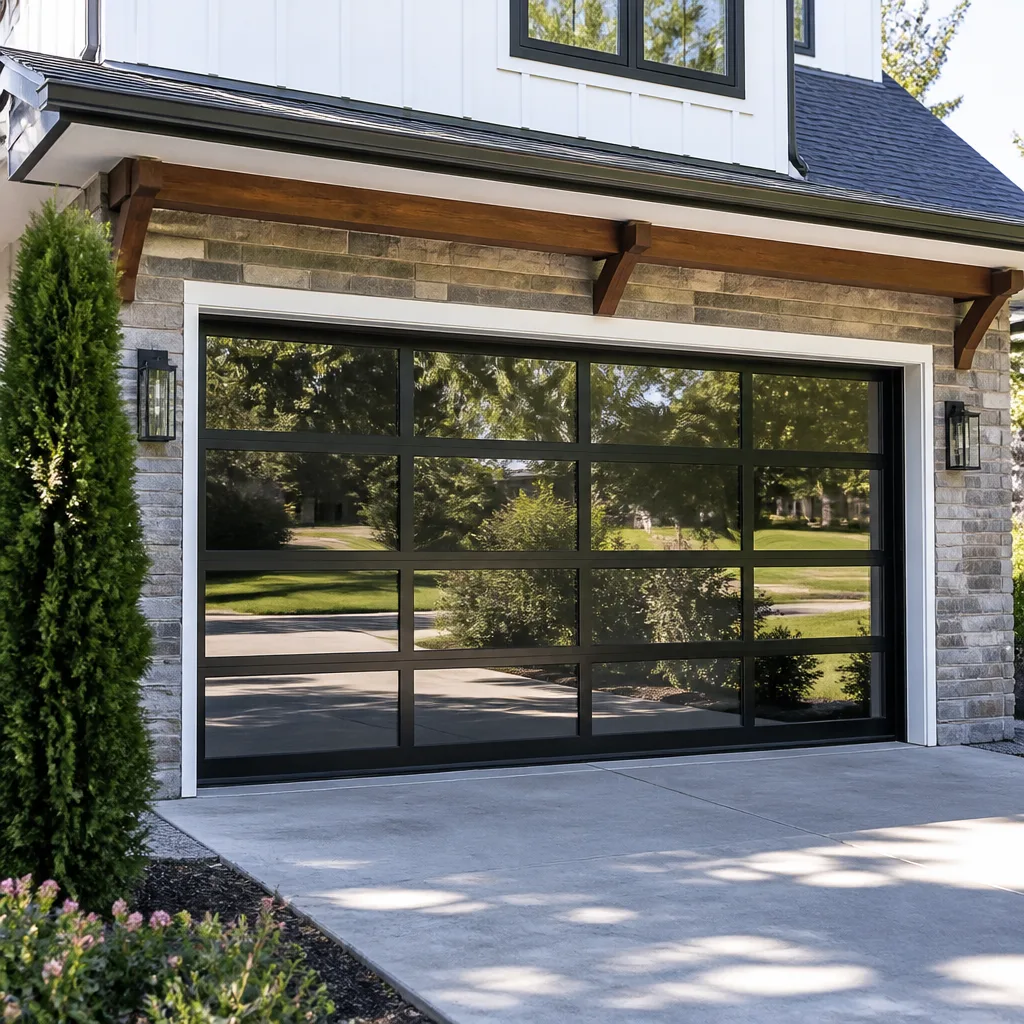 Full-view glass
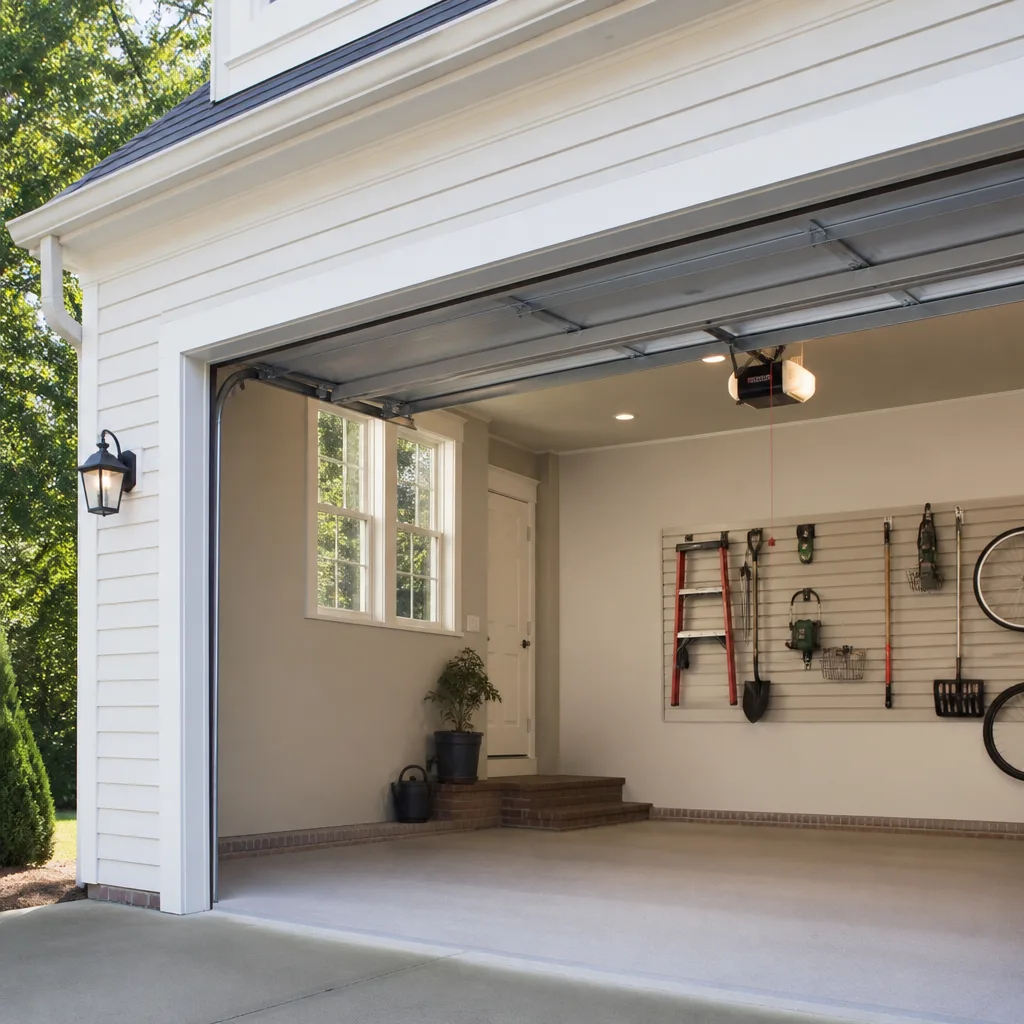 LiftMaster openers
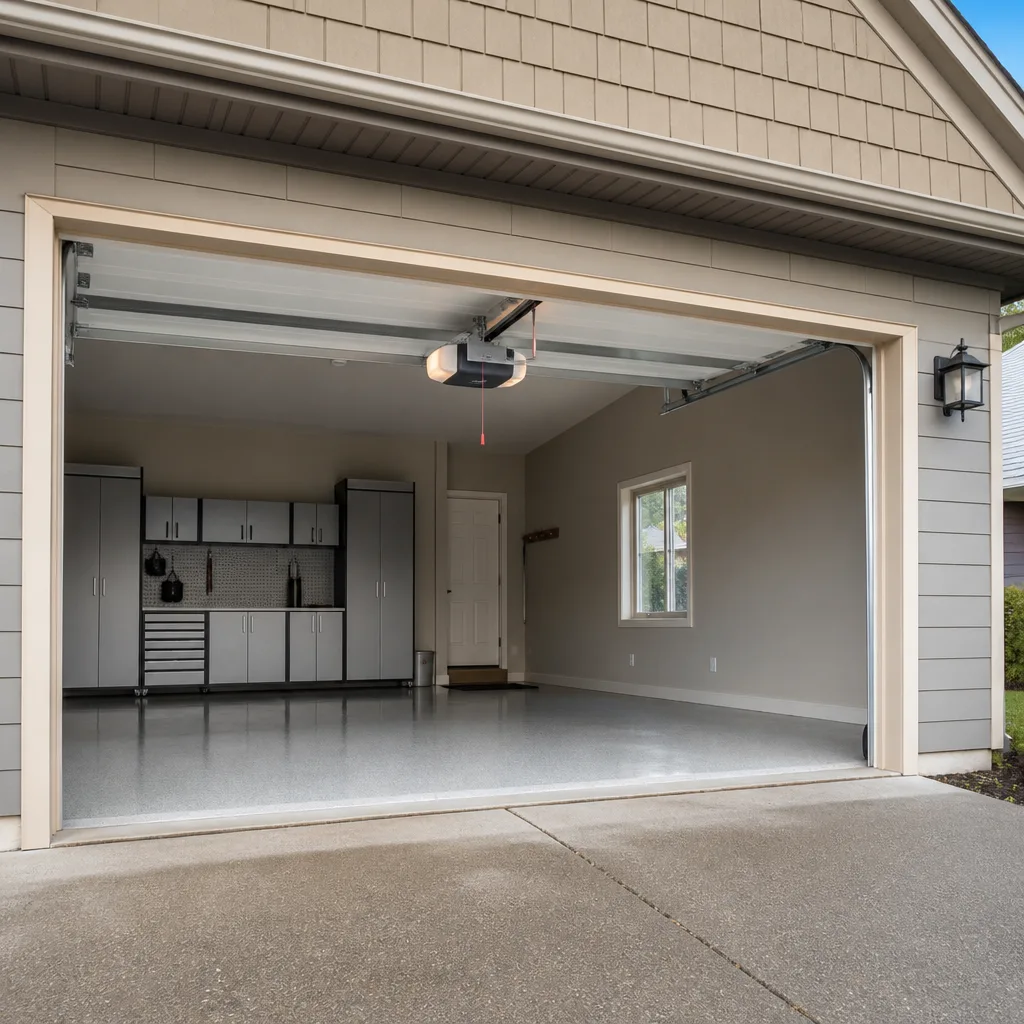 Chamberlain openers
Full 25-point door and opener safety check with every visit - springs, cables, rollers, tracks, and your LiftMaster or Chamberlain opener included
You get a price before we start. It does not change when the truck arrives.
Get your free estimateGarage Door Warning Signs: An Aliso Viejo Homeowner’s Reference Guide
A garage door doesn’t usually fail without warning. It gives three or four clear signals over weeks or months, most of which homeowners in Aliso Viejo misread as normal quirks until the door stops working entirely at 7 a.m. on a workday. The grinding you heard last month wasn’t the door “settling in” and the slight hesitation on the way up wasn’t the opener “warming up.” Those were diagnostic signals, and each one pointed to a specific component under stress. This guide maps those signals to their probable causes, assigns each one an urgency rating, and tells you what you can safely inspect yourself versus what needs a trained technician with the right tools and the right respect for tension-loaded hardware.
Quick Answer
The most common garage door warning signs in Aliso Viejo are grinding or squealing sounds from worn rollers or bearings, a door that hesitates or reverses mid-cycle, visible cable fraying or sagging when the door is open, and uneven movement where one side rises faster than the other. Each of these is a specific diagnostic signal that points to a specific component, not a vague “something’s wrong” condition. Most of them cost under $300 to fix when caught early, and most of them become $800-plus emergencies when ignored for another few months.
Styles & brands we work with
- Raised-panel steel
- Carriage house
- Modern flush
- Full-view glass
- LiftMaster openers
- Chamberlain openers
Table of Contents
- The Symptom-to-Component Map: What Your Door Is Telling You
- Why a Loud Door Is Never “Just Noisy”
- The Auto-Reverse Test and What It Doesn’t Tell You
- What You Can Safely Inspect From the Ground
- Urgent Versus Schedule: Reading the Severity of a Signal
- What Aliso Viejo’s Climate and Housing Stock Mean for Your Door
- Opener-Specific Warning Signs Most Guides Skip
- What Warning-Sign Repairs Cost in Aliso Viejo
The Symptom-to-Component Map: What Your Door Is Telling You
Every behavior a garage door exhibits maps to a specific piece of hardware. In our experience working on doors across Aliso Viejo, from the tract homes in Glenwood to the hillside properties off Wood Canyon, the same symptoms show up in the same components, regardless of whether the door is a Clopay or an Amarr. Here is the map we use when a homeowner calls and describes what they’re seeing. It might help you describe your own door’s behavior more precisely when you call a professional.
- Door hesitates, then jerks upward: This is almost always the opener’s drive mechanism slipping, often a worn gear in a Chamberlain or Genie opener. The door itself is usually fine. The opener is telling you its internal plastic drive gear has worn teeth.
- Grinding or metal-on-metal sound during travel: Rollers. In Aliso Viejo’s coastal air, metal rollers corrode faster than homeowners expect. The sound is the bearing surface disintegrating inside the roller.
- Door rises unevenly, one side leading: This is a cable tension imbalance, not a door problem. One cable has stretched or a drum has slipped. Left alone, the other cable takes double the load and fails soon after.
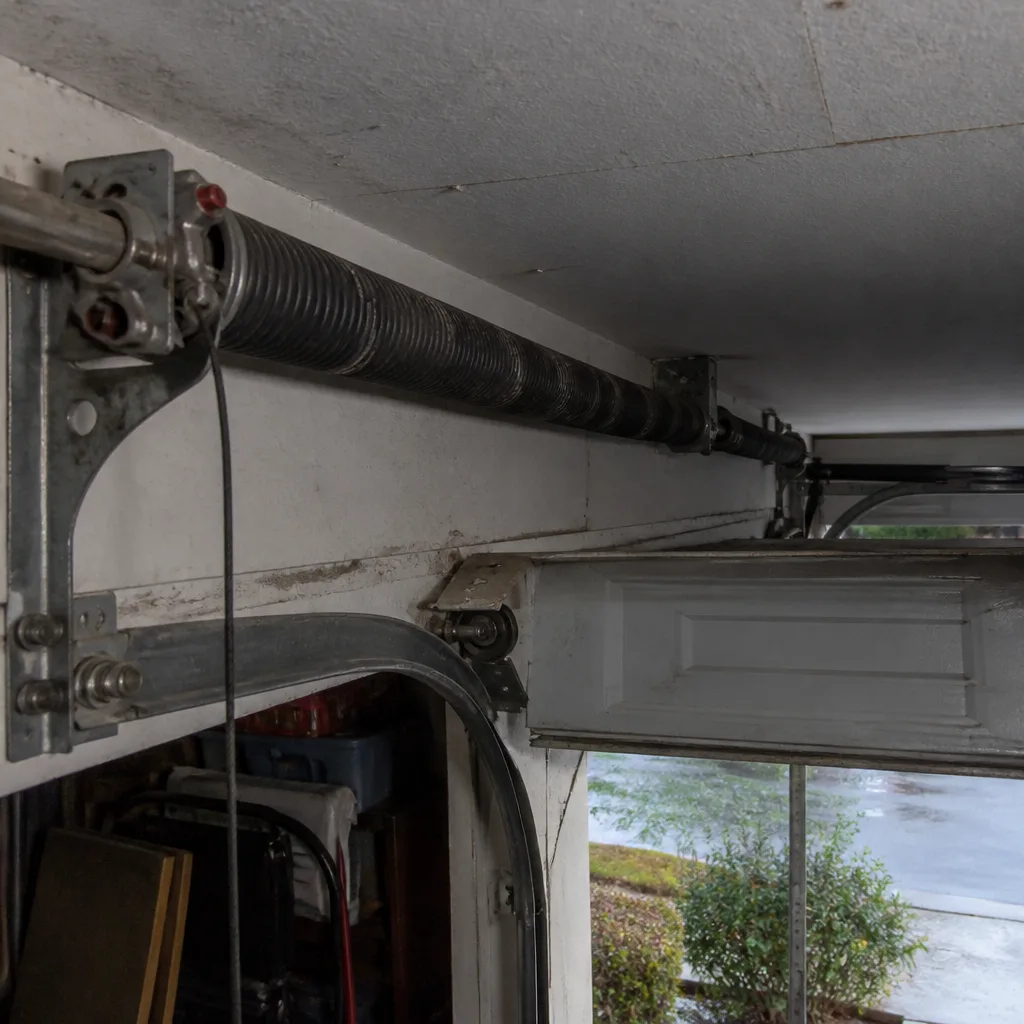
- Door sags when open, forms a visible arc: A spring is worn or broken. Springs carry the door’s weight; when one side loses tension, the door bows toward the remaining spring.
- Squealing at the same spot every cycle: A specific hinge or bracket is dry or binding. The consistency of the spot is the diagnostic clue, it tells you exactly which component is failing.
- Door slams the last six inches of travel: The opener’s force settings have drifted or a spring has lost its original tension, so the door is falling faster than the opener expects.
What surprises most Aliso Viejo homeowners is that each of these symptoms is specific. The door is not “broken” – a single component is worn, and the door is telling you which one. The difference between a $180 roller replacement and a $900 spring-and-cable job is often just how long the symptom has been ignored.
This framework is why Alder’s technicians in Aliso Viejo start every call with a diagnosis, not a parts order. Knowing the difference between a door problem and an opener problem, and knowing the specific brand of hardware in front of us from LiftMaster to Wayne Dalton, changes what gets fixed and what doesn’t. If you’re not sure what your door is trying to tell you, start with a trained eye. Our Garage Door Repair in Aliso Viejo service begins with exactly that: identifying the component, not guessing at it.
Why a Loud Door Is Never “Just Noisy”
The most common thing we hear from Aliso Viejo homeowners is “the door works fine, it’s just loud.” That sentence means the door has been signaling for months and the signal has been treated as background noise. A garage door that was quiet for five years and is now loud is not making noise for no reason. Something changed. Here’s what that change typically is, in order of how often we see it in Aliso Viejo homes:
- Dry or worn rollers (most common). Rollers have internal bearings, and those bearings have grease. When the grease dries out, or when coastal moisture works into the bearing, the roller starts metal-on-metal grinding. This is a wear signal. You have weeks to months before the roller seizes or the wheel chips. At that point the door can jump its track.
- Dry hinges and brackets. Hinges are the door’s joints. When they go dry, they squeal at the specific point in the travel where that hinge flexes. The consistency of the spot is what separates a dry hinge from a worn roller.
- Opener drive chain or belt slipping. A chain-drive opener that’s suddenly louder is usually a tension issue. A belt-drive opener that’s louder than before is often a worn belt or a failing sprocket. Both are opener repairs, not door repairs.
- Sagging springs. A torsion spring that’s lost some of its original tension changes the door’s balance, which changes how the opener has to work, which changes the sound. This is a noise problem with a spring cause, and springs are never a DIY fix.
The failure timeline on these is predictable. A dry roller grinds for two to six months before it seizes. A dry hinge squeals for three to eight months before it cracks. A slipping chain wears for one to three months before it skips entirely and the door stops mid-travel. In Aliso Viejo’s coastal air, these timelines are on the shorter end, moisture accelerates every metal-on-metal wear pattern.
What this means practically: when you notice the door is louder this month than last month, that’s the moment to schedule a service call. Not a month from now. The repair at the “louder” stage is typically a lubrication service or a roller replacement under $250. The repair at the “door stopped working” stage is typically over $600, and that’s if the door didn’t come off its track and damage panels, which can push things into full Garage Door Installation in Aliso Viejo territory.
The Auto-Reverse Test and What It Doesn’t Tell You
Every garage door opener manufactured since 1993 is required to auto-reverse when it meets resistance, and manufacturers recommend testing this monthly by placing a 2×4 in the door’s path and closing it. Most Aliso Viejo homeowners never run this test, and the ones who do often believe a passing door means the whole system is healthy. It doesn’t. The auto-reverse test tells you one thing: whether the opener’s force-sensing circuit is functioning at the moment of the test. It tells you nothing about cable tension, spring condition, roller wear, or track alignment. Here’s what a door that passes the auto-reverse test can still be hiding:
- Cable tension imbalance. The auto-reverse system measures resistance at the opener’s carriage, not at the cables. A door can pass the reverse test with one cable carrying 60 percent of the door’s weight and the other carrying 40 percent. That imbalance is invisible to the opener and visible only to an eye that knows what to look for, either on the cable drums or in the subtle tilt of the door as it travels.
- Spring fatigue. Extension and torsion springs lose tension continuously from the day they’re installed, rated for roughly 10,000 cycles on standard springs. A spring at 9,000 cycles can still pass an auto-reverse test, because the opener compensates for the loss of lift by working harder. The test doesn’t measure the opener’s workload, it only measures resistance.
- Track misalignment. A door that’s slowly drifting toward one side of its track, or that wobbles slightly during travel, will often still close onto a 2×4 and reverse. The test is blunt. It catches gross force problems, not the slow-developing issues that eventually cause a derail.
What should you do instead? Run the auto-reverse test, yes – it’s important for the safety function it verifies. But treat it as a baseline, not a bill of health. A door that passes the test but makes noise, moves unevenly, or sags when open needs a physical inspection of the components under load, not another month of use. In our experience with Aliso Viejo homes, the doors that fail catastrophically are almost never the ones that failed their auto-reverse test. They’re the ones that passed it while a cable quietly frayed.
For a full-system check, including cable balance and spring measurement that the auto-reverse test doesn’t cover, our garage door repair service in Aliso Viejo inspects the entire mechanical assembly every time, not just the opener’s safety circuit.
What You Can Safely Inspect From the Ground
There is a clear line between what a homeowner in Aliso Viejo can safely assess and what requires a technician. That line is drawn by tension, not difficulty. Any component that is under spring or cable tension is dangerous to touch, and some are dangerous to stand near. Here’s the division, drawn as plainly as we can make it, because a wrong guess around a torsion spring is a hospital visit, not a learning experience.
Components you can safely inspect from the ground, with the door closed:
- Rollers and tracks. Stand inside the garage with the door closed and look up the track. You can see visible damage on rollers, chips, flat spots, wobbling. You can see track dents or gaps between the track and the door edge.
- Hinges and brackets. Look at the door’s interior face. Hinges that are cracked, rusted, or visibly loose are safe to identify. What you should not do is put a wrench on them while the door is under tension.
- Weatherstripping. The rubber strip along the bottom of the door and the vinyl trim around the edges can be inspected and even replaced without touching anything under tension.
- Opener chain or belt. With the door closed, look at the opener rail from a ladder or from the ground. A sagging chain, a frayed belt, or obvious debris on the rail are visible without touching the mechanism.
- Cable condition, from a distance. You can see visible cable fraying or rust without getting close. In Aliso Viejo’s moist air, galvanized cable corrodes faster than homeowners expect, and you can often see the darkening or the individual strands separating from the ground. Look, do not touch.
Components that require a technician, no exceptions:
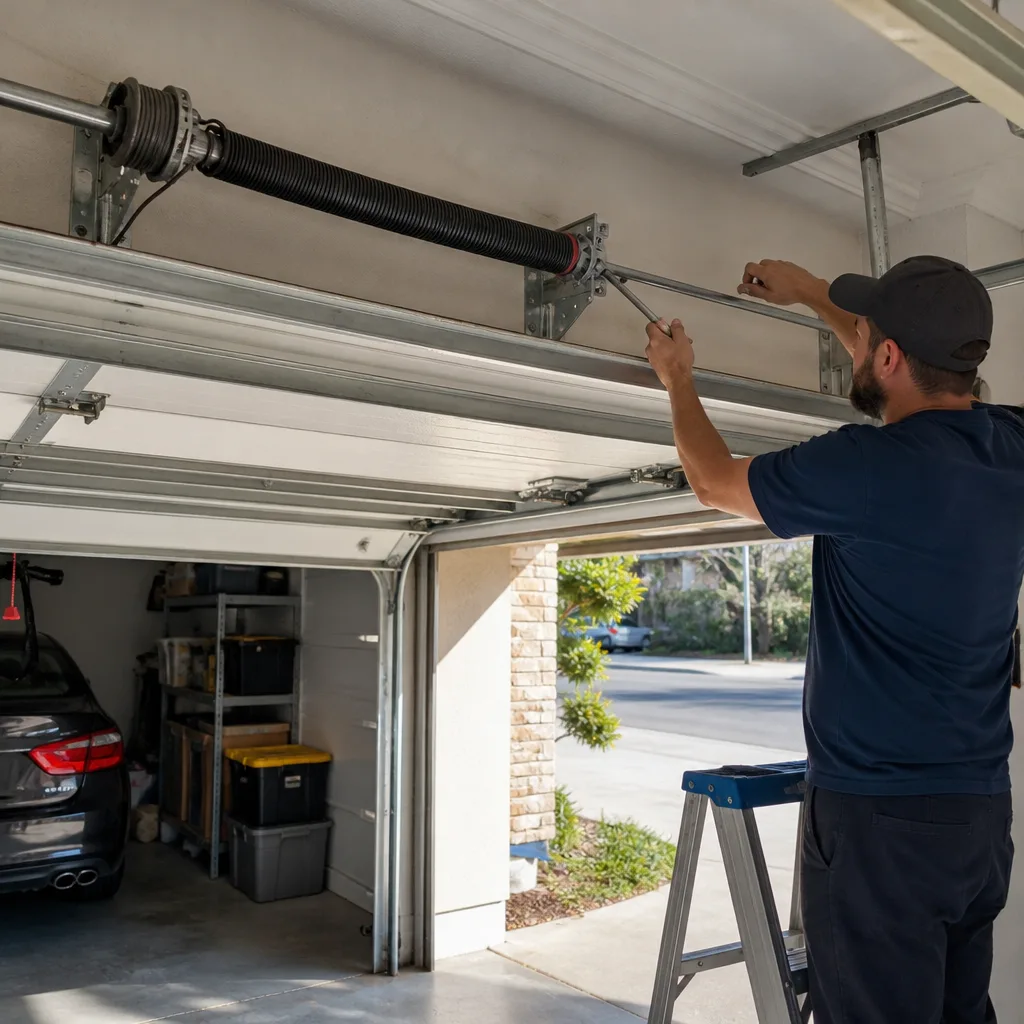
- Torsion springs. These are under multiple hundreds of pounds of torque at all times. Even when the door is open and the spring looks “relaxed,” it’s not. No inspection, no adjustment, no replacement. This is the one component where the cost of DIY is measured in fingers and forearms.
- Cables and cable drums. Cables run at high tension when the door is in motion. Any contact with a moving cable can pull a hand into the drum. Inspection from a distance is fine, but adjustment or replacement is technician work.
- Bottom brackets. The bottom brackets anchor the cables to the door, which means they carry the cable’s full tension. They are not touchable under any circumstances by a homeowner.
- Opener internals. The opener’s circuit board, capacitor, and drive gear are inside a housing but connected to live power. Opening the housing without unplugging the opener and discharging the capacitor is a shock risk.
The rule we give every Aliso Viejo homeowner: if it’s under tension or wired, look but don’t touch. For the visual inspections above, you don’t need a professional. For everything under tension, you do. When you’ve spotted something and want to know what it means, that’s what the diagnostic visit is for.
Urgent Versus Schedule: Reading the Severity of a Signal
Not all warning signs mean the same thing. Some mean “schedule service this month.” Some mean “do not operate this door until it’s repaired.” The difference is whether continued operation makes the problem worse, and how fast it gets worse. Here’s the severity split, based on what we see at Alder in Aliso Viejo:
Schedule this month (operate the door in the meantime, but pay attention):
- Grinding or squealing from rollers or hinges that’s been present for a few weeks but hasn’t gotten dramatically louder. The wear is progressing, but a week or two of normal use is unlikely to cause a sudden failure.
- A door that’s slightly slower than it used to be but still completes its cycle. This often points to spring fatigue or opener wear. Neither fails without additional warning.
- Visible rust on cables or hardware that hasn’t progressed to fraying. Surface rust is a moisture signal; in Aliso Viejo it should be addressed, but it isn’t a five-alarm situation.
- Minor wobble or vibration during travel. This often points to a roller starting to fail or a track that needs a minor adjustment. It’s a this-month item.
Do not operate the door until repaired:
- Visible cable fraying or broken strands. A frayed cable is carrying the door’s weight with fewer and fewer strands. When the remaining strands snap, the door drops. This is a “do not cycle the door” condition, and in Aliso Viejo we see it most often on doors facing the ocean-facing canyons where salt air accelerates cable corrosion.
- A broken spring. If you can see a two-piece torsion spring with a visible gap, or an extension spring that’s hanging disconnected, the door’s weight is being carried by the opener alone, and the opener is not designed for that. Do not operate the door. Disconnect the opener and leave the door closed.
- A door that’s jumped its track or visibly tilting. A door off-track can fall unexpectedly. This is a discontinue-use item immediately.
- Loud bangs or snaps during operation. A bang is usually a cable drum slipping or a spring letting go partially. It won’t be a one-time event. The next cycle could be the one that drops the door.
The principle underneath all of this: noise and vibration are warnings, but visible structural damage is a stop order. If something is visibly broken, visible fraying, visible gap, visible tilt, the door is no longer in a condition where continued cycling tells you anything useful. It’s time for a Garage Door Opener Repair in Aliso Viejo or door service call, and the call should happen before the next time you need to park in the garage.
What Aliso Viejo’s Climate and Housing Stock Mean for Your Door
Garage door wear patterns are not universal. They follow climate, and Aliso Viejo’s specific climate, marine-influenced air, morning fog that lingers in the canyons, afternoon sun that heats the door face, produces a specific set of wear conditions. Here’s what we see in Aliso Viejo doors specifically, and what it means for the warning signs you should watch for:
Coastal moisture accelerates metal wear. Aliso Viejo sits close enough to the Pacific that the air carries salt and moisture, particularly in the morning hours and in the lower-elevation neighborhoods near Aliso Creek. Galvanized cables, steel rollers, and uncoated springs all corrode faster here than in inland Orange County cities. The practical takeaway: a cable that would last 10 years in Riverside might show visible corrosion at year 6 in Aliso Viejo. When you inspect your door, assume the hardware is aging faster than the national average.
Temperature swings cause expansion and contraction. Aliso Viejo’s temperature range is moderate by desert standards, but the daily swing, from cool canyon mornings to hot afternoon direct sun on a west-facing door panel, causes repeated thermal expansion and contraction in metal tracks and door panels. Over years, this loosens fasteners and shifts track alignment by fractions of an inch. A door that was perfectly balanced when installed will slowly drift out of alignment just from these cycles, and that drift is often the root cause of the “sudden” cable or roller failure.
Housing stock means specific brands. Most of the single-family homes in Aliso Viejo were built during the city’s boom years between the late 1980s and early 2000s. The doors installed during that era were predominantly Clopay and Amarr, with openers from Chamberlain, Genie, and LiftMaster. If your Aliso Viejo home still has its original door, you’re likely looking at a steel Clopay or Amarr panel on original tracks and possibly original rollers. That’s valuable information when you’re diagnosing a symptom, because a 25-year-old Clopay door has a specific set of wear points that a 5-year-old door doesn’t have.
Hillside garages mean uneven floor load. A meaningful number of Aliso Viejo homes are built on sloped lots, and their garages are not perfectly level. The door’s balance shifts slightly when the floor is out of level, which means the cable tension is asymmetric from day one. These doors are more prone to premature cable wear on the high side, and the symptom is often a door that tilts ever so slightly during travel or a cable that shows more corrosion on one side.
Understanding these local-specific factors is important because it changes the timeline for action. In Aliso Viejo, a warning sign that would mean “keep an eye on it” in a drier climate often means “schedule it this month” here. The hardware ages faster, and the window between visible warning and actual failure is narrower. We’ve built our Alder Garage Door Repair home service approach around these local conditions, and they inform how we prioritize the repairs we see.
Opener-Specific Warning Signs Most Guides Skip
Most garage door warning sign guides focus on the door itself: springs, cables, rollers, tracks. What they skip is that the opener is a separate system with its own warning signs, and in Aliso Viejo, where many openers are original to homes built in the 1990s, opener failure is just as common as door failure. Here are the opener-specific signals homeowners should know, including what to feel for, because half of these are invisible to the eye:
- The opener runs but the door doesn’t move. This is the classic symptom of a stripped drive gear, especially in Chamberlain and Genie units from the 1990s and 2000s. The motor spins, the gear teeth are gone, and the carriage stays put. The opener is not “dead” electrically, but its drive mechanism is gone. It needs an opener-level repair, not a new opener.
- The opener reverses the door for no reason. If your door starts down and then reverses with nothing in its path, and this happens repeatedly, the opener’s force-sensing is incorrectly calibrated or its logic board is failing. This is often misdiagnosed as a door problem when it’s actually a circuit problem.
- The opener starts and stops in millimeters. A door that jerks an inch at a time is usually a run capacitor failure in the motor. The opener has enough power to start but not to sustain. This is a component-level repair, and it’s one of the most common ones we see in older LiftMaster and Chamberlain units.
- The wall button works but the remote doesn’t, or vice versa. This is often a receiver or logic board issue, not a remote battery. Before replacing batteries or buying a new remote, test both inputs. If one works consistently and the other doesn’t, the problem is in the opener.
- The opener runs, the door moves, then the door reverses near the bottom. This can be an optical sensor alignment issue or a limit setting that’s drifted. But it can also be spring fatigue, where the door has gotten heavier and the opener senses excess load at the bottom of travel. The symptom is opener-level but the cause is frequently door-level, and you need a technician who can tell the difference.
What these opener signals have in common is that they can be repaired at the component level. A stripped gear, a failed capacitor, a misaligned sensor, none of these require a new opener. Alder’s brand-trained technicians work on the opener that’s already in the garage, so a Genie opener gets repaired as a Genie, not replaced with something else. That’s the difference between an opener-specific repair and a general handyman service. If you’re seeing any of the above, our Garage Door Opener Repair in Aliso Viejo service covers the electronic and mechanical systems inside the opener housing, not just the door panels.
What Warning-Sign Repairs Cost in Aliso Viejo
One of the reasons homeowners delay addressing warning signs is uncertainty about cost, and that delay is the most expensive choice available. Here are the realistic price ranges we see for warning-sign repairs in the Aliso Viejo market, based on the specific fix involved. These are ranges, not quotes. Your specific door, manufacturer, and the severity of the wear will determine your actual price, but this gives you a realistic picture of what “fix it now” versus “wait” actually costs.
| Repair Type | Typical Range in Aliso Viejo | Cost If Ignored |
|---|---|---|
| Roller replacement (all rollers) | $120 – $220 | $450 – $900 (track damage, panel damage) |
| Hinge replacement (one or two) | $80 – $180 | $350 – $700 (door section replacement) |
| Cable replacement (one side) | $150 – $260 | $500 – $1,100 (door drop, panel damage) |
| Cable replacement (both sides) | $220 – $380 | $500 – $1,100 (door drop, panel damage) |
| Torsion spring replacement (one spring) | $180 – $340 | $600 – $1,400 (opener damage, door drop) |
| Torsion spring replacement (both springs) | $280 – $520 | $600 – $1,400 (opener damage, door drop) |
| Opener drive gear replacement | $140 – $260 | $350 – $650 (full opener replacement) |
| Opener capacitor replacement | $90 – $180 | $350 – $650 (full opener replacement) |
| Track realignment | $100 – $200 | $400 – $900 (derailment, panel damage) |
| Full safety inspection and lubrication service | $80 – $150 | N/A (preventive) |
The pattern is consistent: the warning-sign repair is a fraction of the cost of the failure repair. A $160 roller replacement becomes a $700 track repair when the seized roller forces the door off its track. A $230 cable replacement becomes a $1,100 door replacement when the cable snaps and the door drops. The economics of ignoring a warning sign are worse than homeowners assume.
One other note on pricing in Aliso Viejo specifically: labor rates here run slightly above the Orange County average because of the concentration of hillside properties and older housing stock, both of which make service calls take longer and require more diagnostic work. The ranges above reflect that local reality.
Every estimate from Alder is a fixed price quoted and agreed before any work starts. No technician starts a repair and then discovers additional charges. The diagnostic happens first, the price is set in writing, and the work proceeds only with your approval. For an exact quote on the warning sign you’re seeing, call (855) 382-4001.
Common Mistakes to Avoid
- Lubricating a worn roller instead of replacing it. Lubrication quiets a dry roller briefly, but it doesn’t restore the worn bearing surface inside. In Aliso Viejo’s coastal air, the underlying corrosion continues. You’ve bought yourself a few weeks, not a fix.
- Running the door “one more time” to see if the noise goes away. Every cycle on a failing component brings it closer to failure and, in the case of cables and springs, makes the eventual failure more catastrophic. If something is visibly frayed or the door is banging, stop cycling it.
- Assuming a quiet door is a healthy door. The absence of noise doesn’t mean the absence of wear. A door can be quietly out of balance, with one spring doing 70 percent of the work, and fail without ever making a sound. The auto-reverse test won’t catch it either.
- Treating the opener and door as one system. They’re two systems working together. A door problem can damage the opener, and an opener problem can mask a door problem. Diagnosing them separately is how you avoid replacing the wrong thing.
- Replacing the remote batteries when the opener is failing. Remote problems are usually opener problems in the Aliso Viejo housing stock we see. If both remotes fail simultaneously, it’s almost never the batteries.
- Putting off a visual inspection because the door “has worked fine for years.” Most Aliso Viejo doors are old enough that the original springs are near or past their cycle rating. The door has worked fine for years, and that’s exactly why the wear is accumulating silently. A 20-year-old door is not the same door it was at year 5.
See the difference
 Before
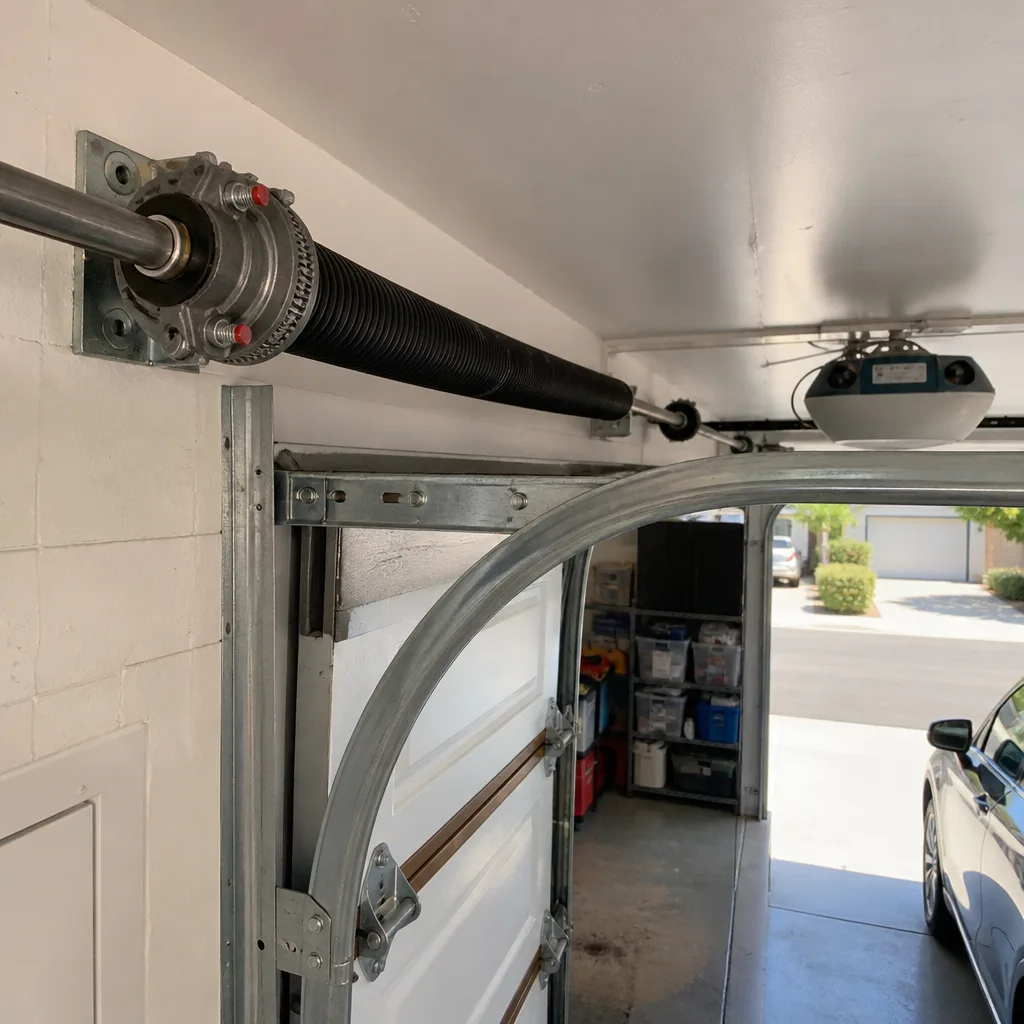 After
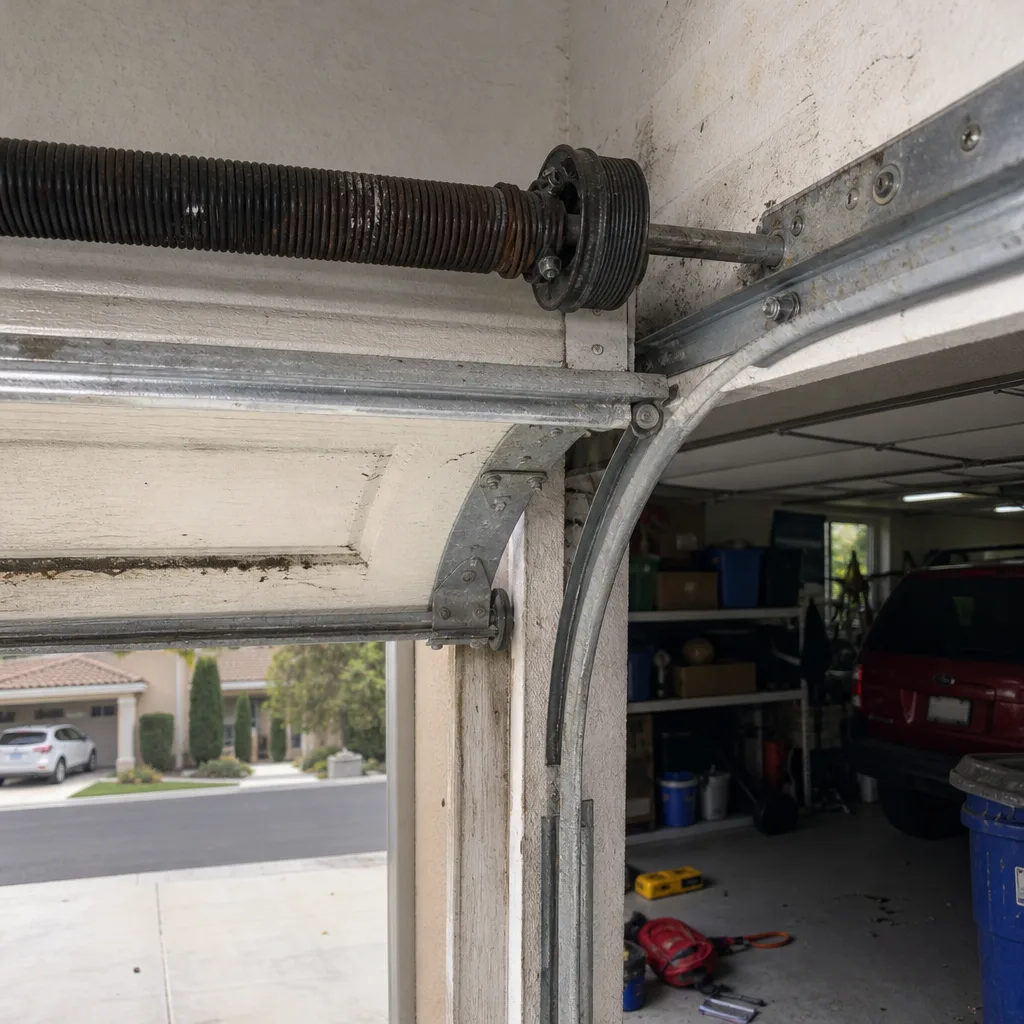 Before
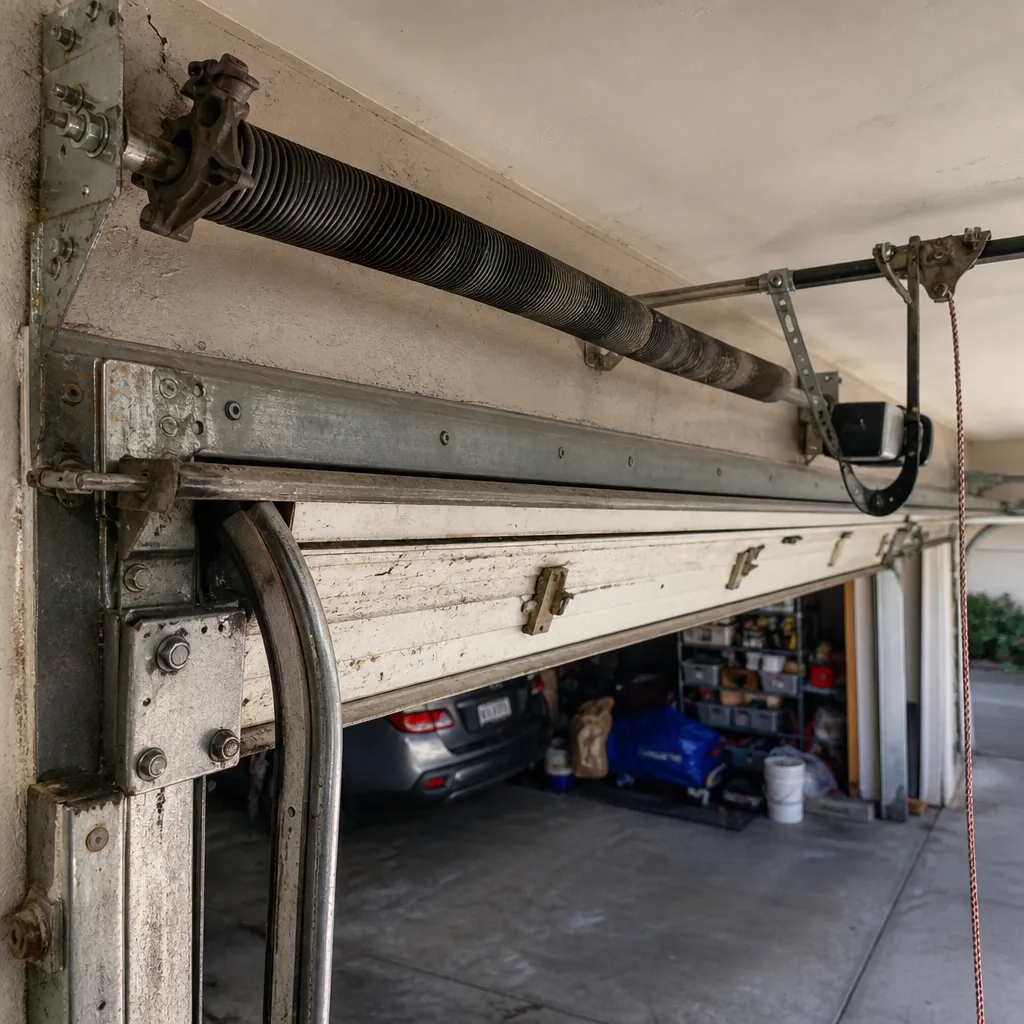
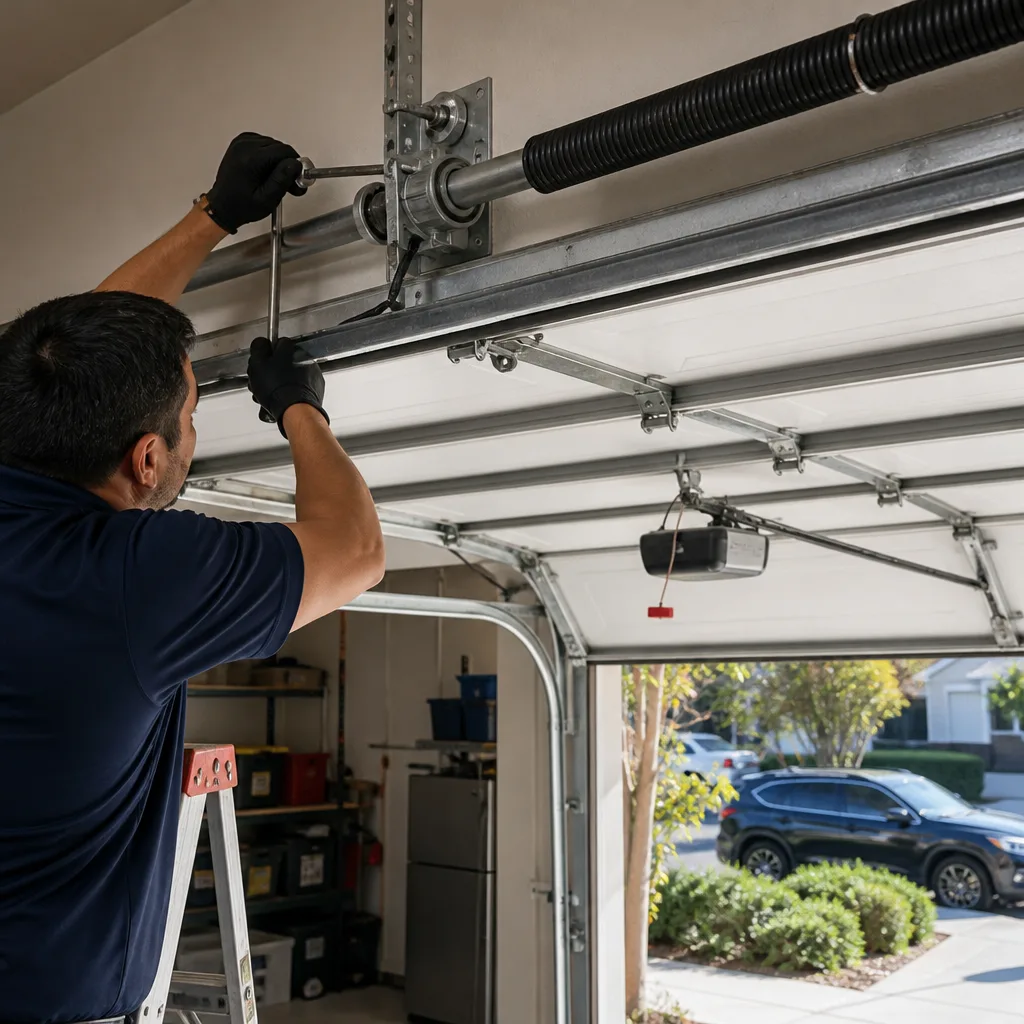 After
 Before
 After
When to Call a Professional
If the door is making a new sound, moving differently than it did last month, or showing any visible fraying, rust bloom, or sag, that’s the call. Don’t wait for the failure to confirm what the warning already told you. Specific scenarios that immediately justify a service call: visible cable fraying or broken strands, a door that no longer opens or closes fully, any bang or snap during operation, a door that reverses mid-cycle with nothing in its path, or an opener that runs without moving the door. For any of these, in Aliso Viejo, the right move is the same: stop cycling the door, leave it in whatever position it’s in, and call. Alder Garage Door Repair offers free estimates in Aliso Viejo, and our technicians are trained across the eight door and opener brands most common in this city’s housing stock. Call (855) 382-4001.
Frequently Asked Questions
A failing spring shows itself in three ways: the door feels heavier when you operate it manually (disconnect the opener first), the door sags visibly on one side when open, or the opener struggles and reverses more than it used to because it’s compensating for lost spring tension. In Aliso Viejo, springs on doors from the 1990s and early 2000s are typically at or past their rated cycle life by now. If your door is heavy, the springs are the likely culprit. Call (855) 382-4001 for a spring measurement and written quote.
A loud garage door means a specific component is worn or dry, most commonly the rollers, hinges, or opener drive mechanism. The specific sound, grinding versus squealing versus rattling, points to the specific component. A door that was quiet and is now loud is communicating wear, not personality. The fix at the “loud” stage is usually under $250; the fix at the “stopped working” stage is usually over $600.
No. Cables are under high tension at all times when the door is in motion, and the bottom brackets where cables anchor carry that full load. A cable replacement requires unloading the springs first, and doing that without proper tools and training is how serious hand and arm injuries happen. This is a technician-only job, no exceptions, and it’s one of the most common repairs we perform in Aliso Viejo homes near the coast where salt air accelerates cable corrosion.
A single torsion spring replacement in Aliso Viejo typically ranges from $180 to $340, depending on the door weight, spring size, and the specific manufacturer. Both springs together typically run $280 to $520. These prices include the diagnostic, the spring, the labor, and a balance check after installation. Call (855) 382-4001 for an exact quote without obligation.
When a door reverses with nothing in its path, the cause is usually one of three things: misaligned optical safety sensors, limit settings that have drifted, or spring fatigue that makes the door feel heavier and trips the opener’s force-sensing circuit. The fix depends on which cause it is, a sensor adjustment is cheap, a spring replacement is more, and getting it diagnosed correctly before parts are ordered is the difference between a one-visit fix and a recurring problem.
That depends on the failure. A stripped drive gear, a failed capacitor, or a bad logic board can each be repaired at the component level for $90 to $260, which is often a fraction of a new opener. If the opener is under 15 years old and the failure is mechanical, repair is usually the right call. Our brand-trained technicians work on Chamberlain, Genie, LiftMaster, and other common Aliso Viejo openers and repair what’s there when it can be repaired. A cheap replacement is sometimes the right answer, but only when repair genuinely isn’t.
The Bottom Line
Garage doors in Aliso Viejo don’t fail silently. They grind, squeal, hesitate, sag, and tilt, and each signal maps to a specific component. The skill is in reading the signal before it becomes a failure. Most warning-sign repairs cost between $90 and $340, while the failures they precede cost between $600 and $1,100, so the financial case for paying attention is straightforward. The safety case is even more direct: cables and springs under tension are unforgiving, and they give their warning signs early, if anyone is looking. If your door is making a new sound, moving differently, or showing visible wear, call Alder Garage Door Repair at (855) 382-4001 for a free estimate. We’ll diagnose the signal, quote the fix, and leave the door in better balance than we found it.
Written by the team at Alder Garage Door Repair, serving Aliso Viejo since 2017.