
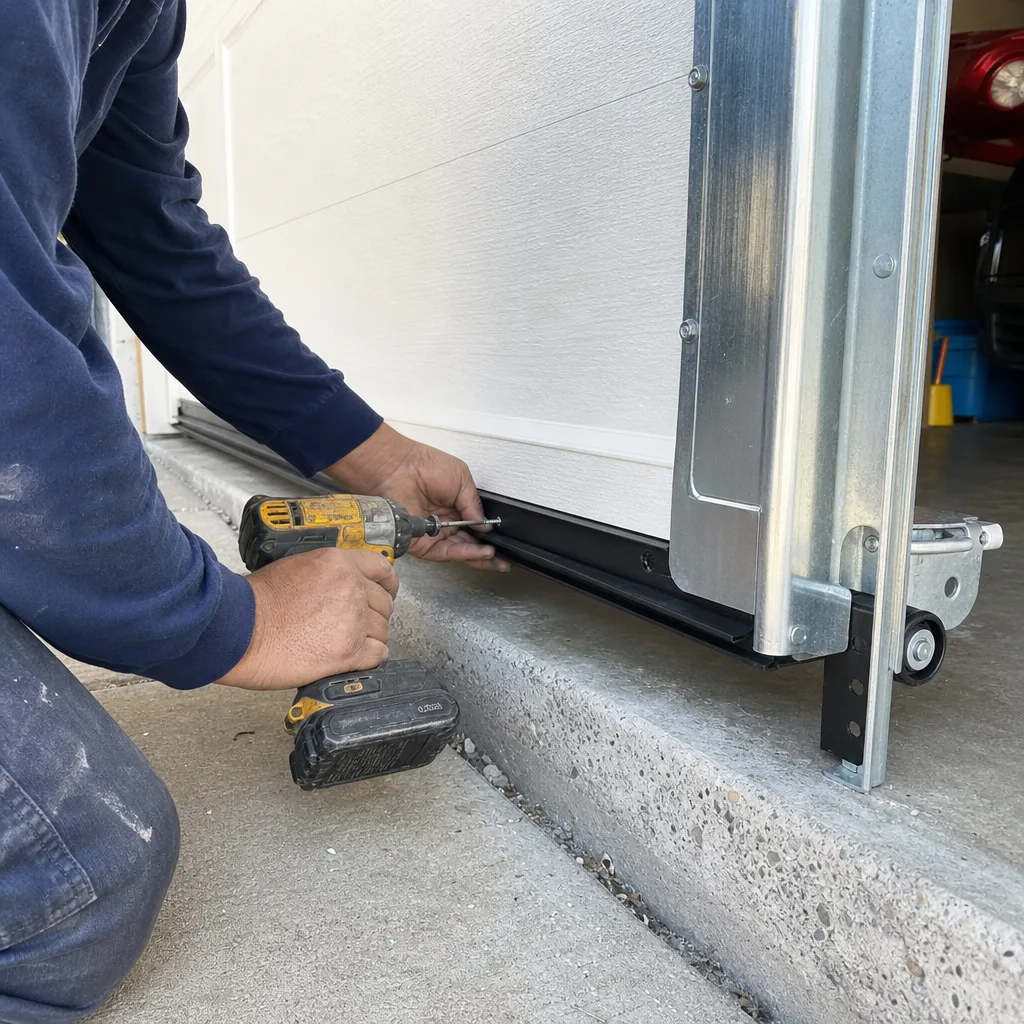
Last updated November 3, 2026
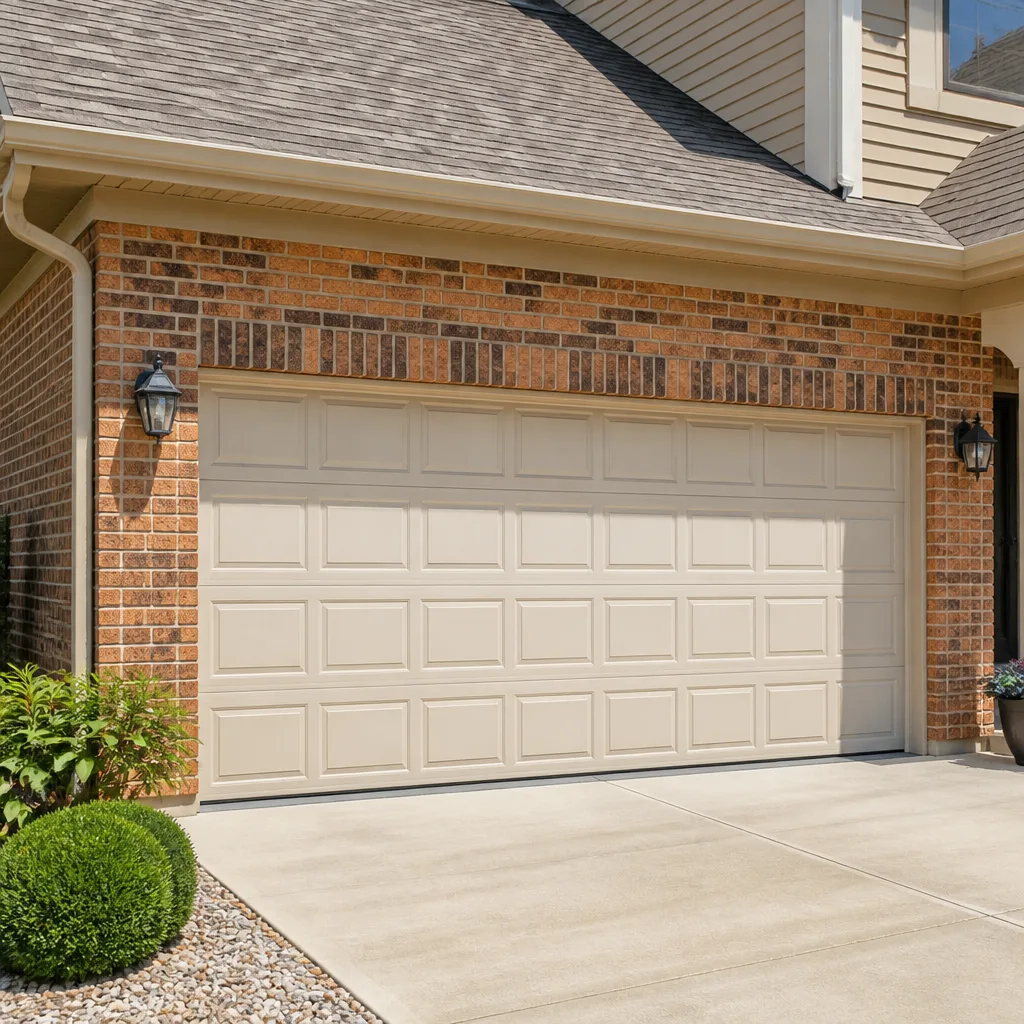 Raised-panel steel
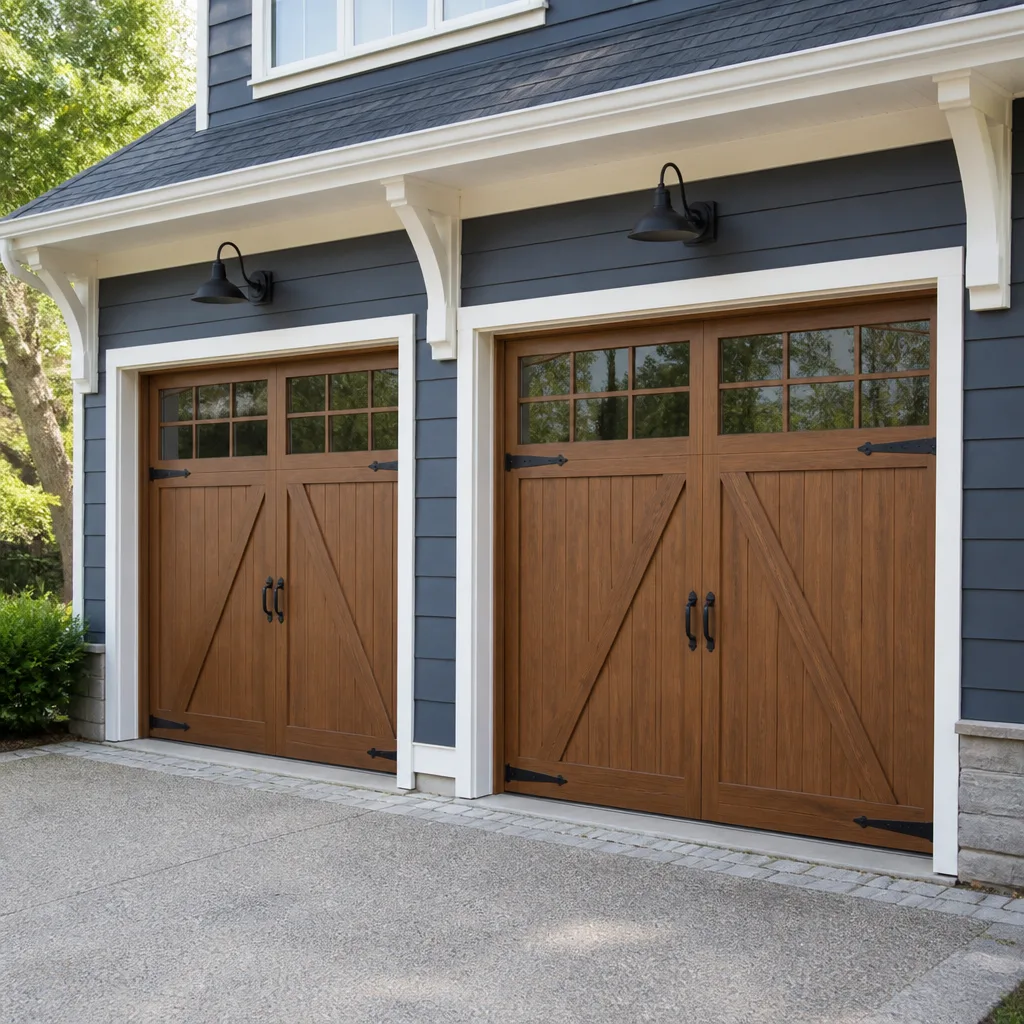 Carriage house
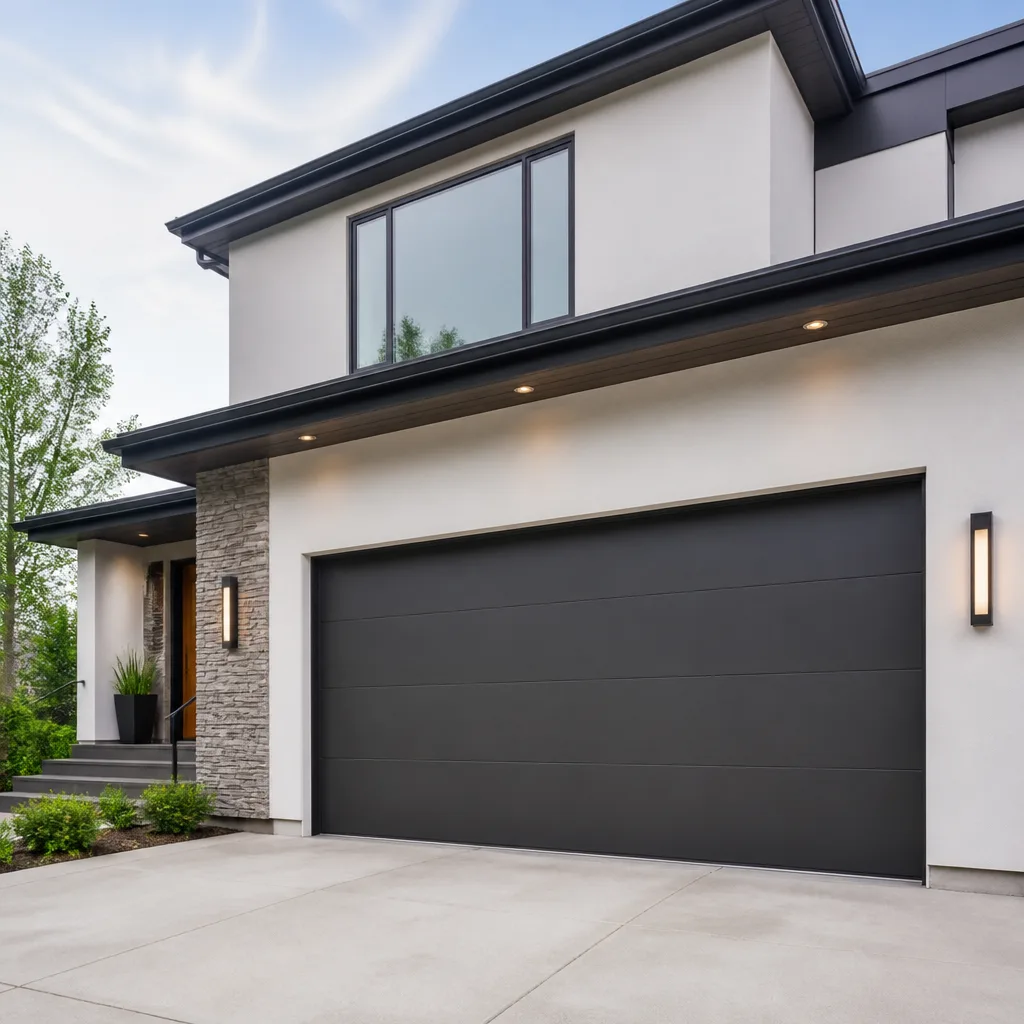 Modern flush
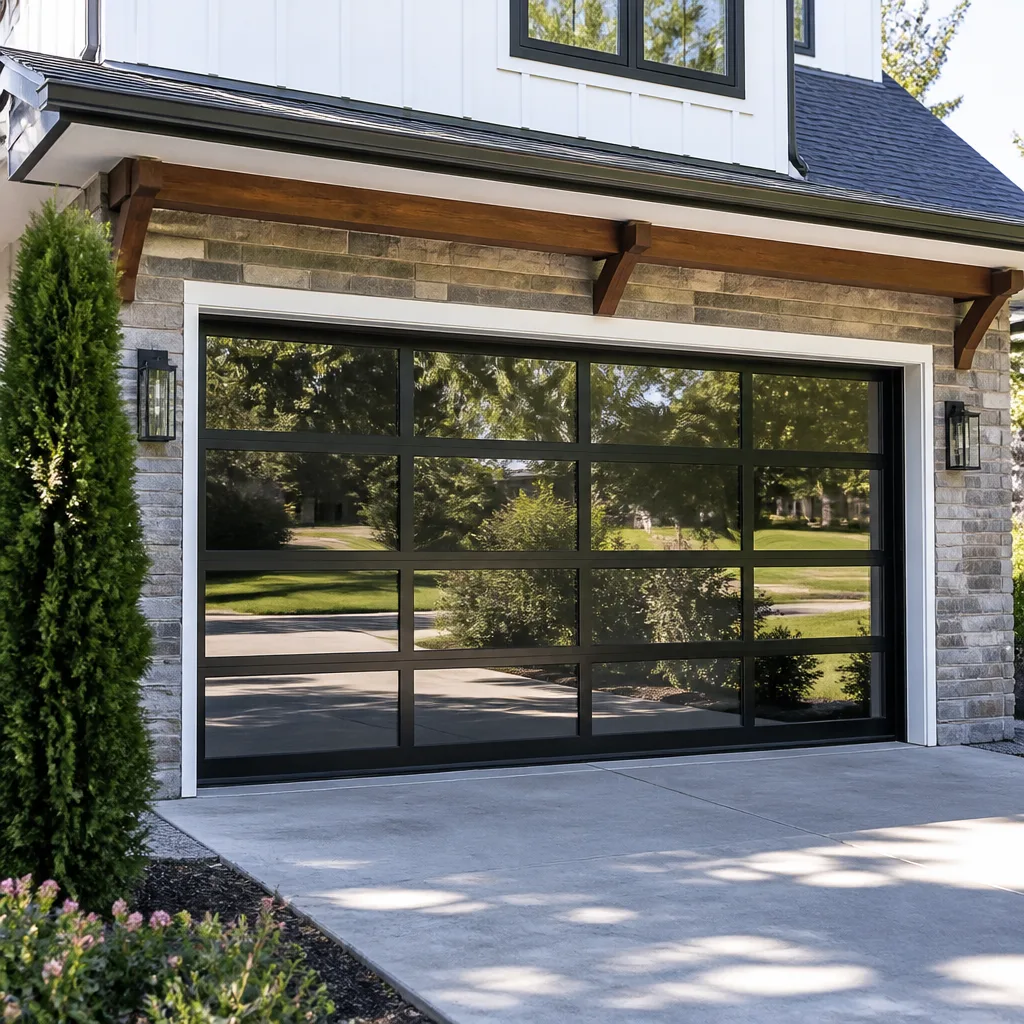 Full-view glass
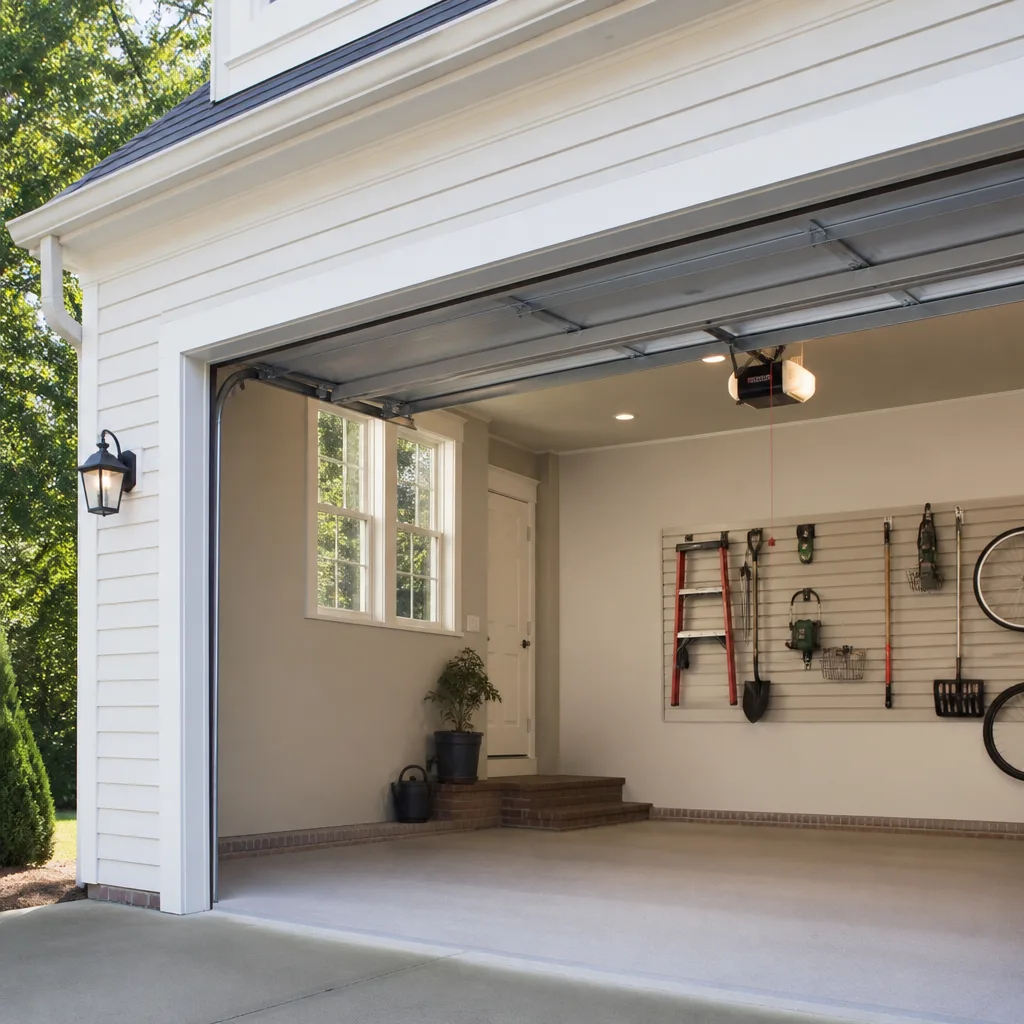 LiftMaster openers
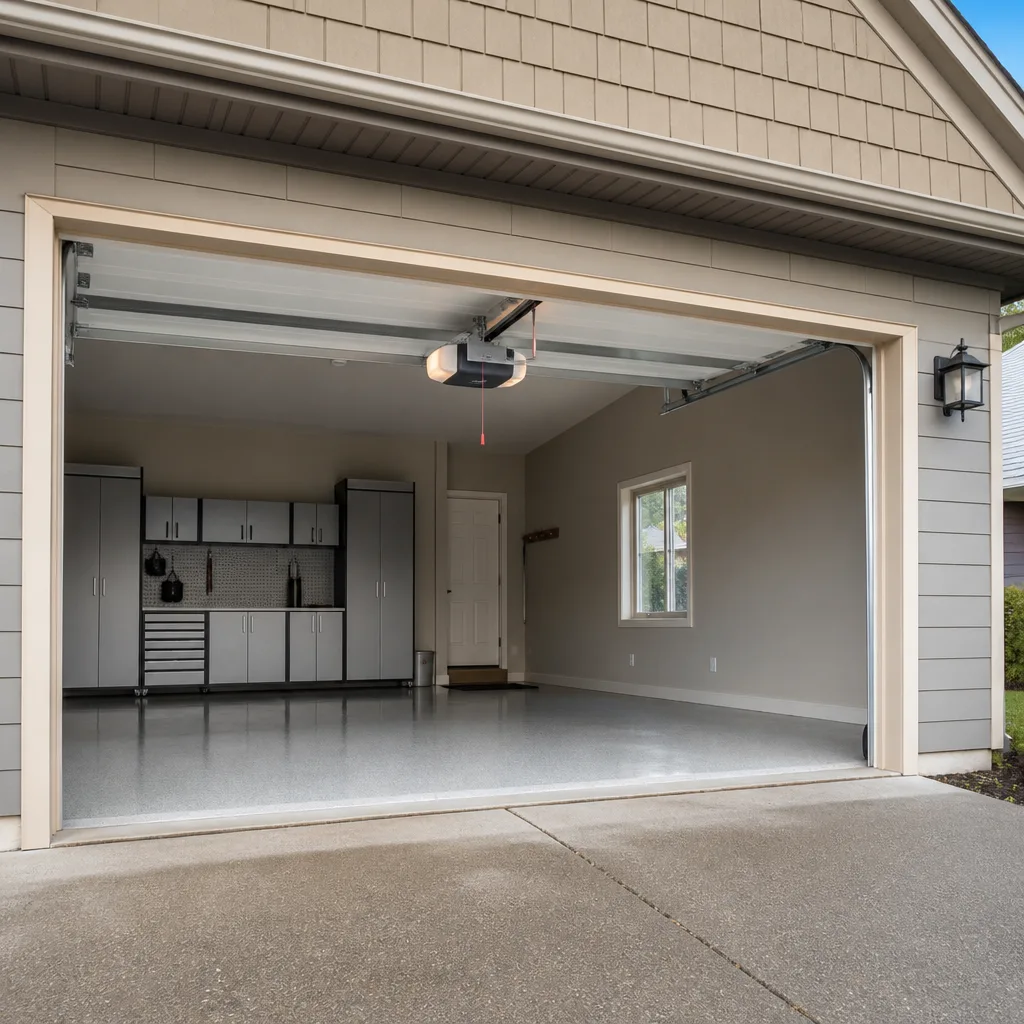 Chamberlain openers
Full 25-point door and opener safety check with every visit - springs, cables, rollers, tracks, and your LiftMaster or Chamberlain opener included
You get a price before we start. It does not change when the truck arrives.
Get your free estimateSeasonal Garage Door Care for Aliso Viejo: Year-Round Homeowner’s Guide
The Santa Ana wind events that sweep through South Orange County each fall do more than raise fire risk. They slam against garage doors with sustained gusts that can bend bottom brackets, unseat rollers, and stretch hinges in ways homeowners don’t notice until a cable snaps on a quiet December morning. Aliso Viejo doesn’t get snow, and it rarely freezes, but the city has its own environmental calendar: June Gloom humidity, late-summer scorch, fall wind loading, and winter condensation. Each season stresses different garage door components, and a maintenance schedule built for Chicago or Phoenix misses what actually happens here. This guide to garage door in Aliso Viejo walks through the four distinct cycles that affect your door, what to check during each one, and which problems signal a call to a technician before they become an emergency.
Quick Answer
Seasonal garage door maintenance in Aliso Viejo means checking and adjusting your door four times a year around the city’s actual environmental cycles: June Gloom humidity (weatherstripping and panel seals), late-summer heat (opener electronics and spring tension), Santa Ana wind season (brackets, rollers, and track alignment), and winter condensation (lubrication and corrosion points). A 10-minute visual inspection each season catches most failures before they happen, and the two adjustments most Aliso Viejo homeowners skip are bottom bracket tightening before Santa Ana season and spring tension re-calibration after the first cold snap.
Styles & brands we work with
- Raised-panel steel
- Carriage house
- Modern flush
- Full-view glass
- LiftMaster openers
- Chamberlain openers
Table of Contents
- June Gloom: The Humidity Cycle Most Homeowners Ignore
- Late Summer Heat: What It Does to Opener Electronics and Springs
- Pre-Santa Ana Checklist: The Three Hardware Points That Fail Under Wind Load
- Winter Condensation and Thermal Contraction: The Quiet Season
- Spring Recovery: Reversing the Damage from a Wet Winter
- A Month-by-Month Maintenance Schedule for Aliso Viejo
- What You Can Safely Check Yourself vs. What Needs a Technician
June Gloom: The Humidity Cycle Most Homeowners Ignore
From late May through July, Aliso Viejo sits under a marine layer that rolls in overnight and burns off by mid-morning. For a garage door, that’s a daily cycle of 80-90% humidity followed by dry heat, repeated for six to eight weeks straight. Wood composite panels absorb moisture overnight and release it during the day. That expansion and contraction works on panel seams, paint adhesion, and the adhesive holding weatherstripping to the bottom rail.
What we see in Aliso Viejo garages every June is a pattern: the bottom weatherstrip starts pulling away from the rail at the corners first, because that’s where water pools after a damp night. Once the seal is compromised, the daily moisture cycle gets behind it and accelerates the peeling. Within a single season, a door that started June with intact weatherstripping can end July with a two-inch gap at the corner, letting dust, insects, and warm air into the garage.
Early signs the June Gloom cycle is compounding:
- White chalky residue on the interior face of the bottom panel, especially near the corners, which indicates moisture wicking through the panel material
- Weatherstripping that feels stiff or brittle rather than pliable when you press it with a thumb
- A musty smell inside the garage that worsens in the morning and fades by afternoon
- Panel edges that look slightly swollen or feel softer than the center of the panel
- Visible condensation on the interior steel reinforcement struts of the door in the early morning
For steel doors, the concern shifts to corrosion. Most modern steel doors have a galvanized or zinc-coated skin, but the cut edges where panels meet are thinly protected. Daily condensation on those edges over multiple June Gloom seasons encourages rust, which then lifts the paint film. A rust spot the size of a quarter on the panel edge is cosmetic today and structural within three to five years if left untreated.
The fix that matters most in June is a seal inspection. Run your hand along the bottom weatherstrip at ground level, checking for gaps, tears, or areas where the rubber has hardened. Look at the side and top weatherstripping too, because the same moisture cycle affects those seals. If you catch a failing seal in June, replacing it is a 30-minute job and it protects the panel from another two months of daily humidity cycling.
Late Summer Heat: What It Does to Opener Electronics and Springs
August and September in Aliso Viejo regularly push garage interiors past 110 degrees when the door has been closed all day. Garages here are rarely insulated, and the sun beats directly on the door face from midday onward. That heat has two specific effects that show up as repeatable service patterns every year.
First, the opener’s circuit board. LiftMaster, Chamberlain, and Genie all build their logic boards with capacitors and resistors rated for high heat, but sustained temperatures above 105 degrees shorten component life and cause intermittent failures. The classic symptom in Aliso Viejo is a door that works perfectly in the morning and hesitates or fails to respond in the late afternoon. If the opener clicks but the motor doesn’t run, or if the wall button lights up but nothing happens on a hot afternoon, the circuit board is often the culprit. It is not a failing motor. Motors fail differently: they run but sound labored. A heat-sensitive board fails cleanly, without warning, then works again once the garage cools.
Second, torsion springs. Garage door torsion springs are tensioned based on the door’s weight at the time of installation or last adjustment. Steel springs expand slightly in heat, which reduces their effective tension. For a door that was properly balanced, this means the door feels slightly heavier in July and August. For a door that was already marginally tensioned, a hot afternoon can push the spring past the point where it still assists the opener. The opener motor then works harder, which accelerates wear on the drive gear, the belt, or the chain.
Here is what a heat-affected system looks and sounds like:
- The door opens more slowly on hot afternoons than it does in the morning
- The opener motor sounds strained, like it is working against resistance
- The door reverses or stops partway through a cycle on very hot days
- You can hear a slight grinding or clicking from the opener housing that wasn’t there before
- The door closes with more force, or sits unevenly in the opening when fully closed
If you notice these symptoms only on hot afternoons and not in the morning, the heat is exposing a marginal spring or a board that’s nearing end of life. The practical step is to run the door through a full cycle in the morning and again at 3 p.m., comparing speed and sound. A door that behaves differently between those two times is telling you something specific about its components, and it is worth having the system checked before the fall wind season adds another stressor on top of it.
Pre-Santa Ana Checklist: The Three Hardware Points That Fail Under Wind Load
Santa Ana winds typically hit Aliso Viejo between October and December, with gusts that routinely reach 40-60 mph through the canyons. When sustained wind hits the face of a closed garage door, it pushes the door inward. That pressure loads the hinges, the rollers, the track brackets, and the bottom brackets, which bear most of the lateral force. Over multiple wind events, the hardware that was just slightly worn becomes the hardware that fails.
The three points most likely to be stressed, and how to check each in under ten minutes:
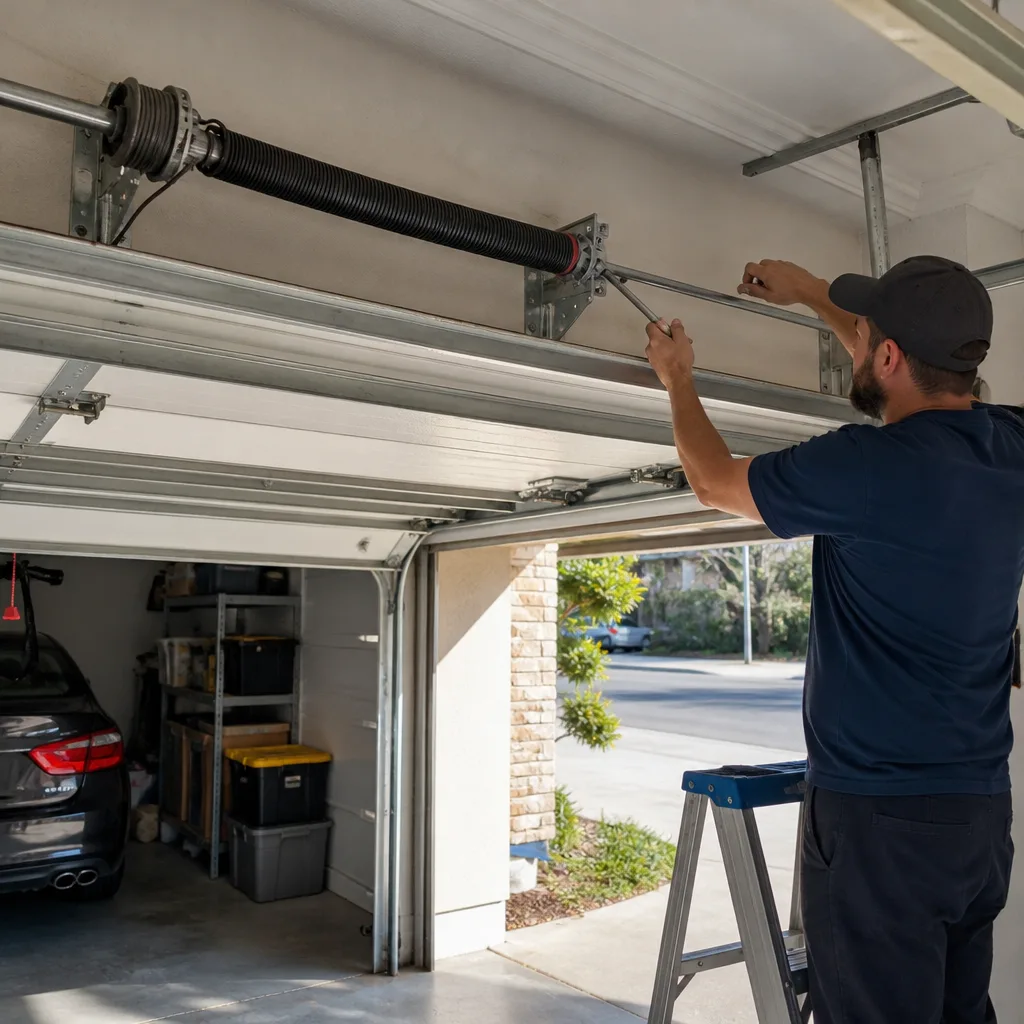
- Bottom brackets. These hold the cables that counterbalance the door. They attach to the bottom panel with two or four bolts. Wind loading bends these brackets outward and loosens their bolts. Check by looking at the bracket where the cable loops around it: if it isn’t sitting flush against the panel, or if you can fit a fingernail between the bracket and the door, the bolts need tightening. A bent bracket under cable tension is a genuine safety risk. Do not attempt to loosen or remove cable tension yourself. If you see a visibly bent bracket, call a technician.
- Rollers and hinges. Wind load pushes the door sideways by a fraction of an inch, which forces rollers against the inside of the track. Over repeated wind events, roller stems wear and hinge plates stretch. Check by watching the roller where it meets the hinge as the door operates. If the roller wobbles side to side instead of spinning true, or if any hinge plate has visible play when the door is partially open, those components are fatiguing. A hinge that separates under load drops the door panel, which is the most common failure we see after a bad Santa Ana season in Aliso Viejo.
- Track mounting brackets. These lag bolts hold the vertical and horizontal track to the wall and ceiling. Wind load jerks the door, and that force travels through the rollers into the track. Loose track brackets let the track flex, which then wears rollers unevenly and can eventually pop a roller out of the track entirely. Check by pushing on each track section with your hand. If it moves more than a quarter inch, the mounting bolts need re-seating. If the track has come away from the wall by more than half an inch, stop using the door until it is re-secured.
Run this checklist in early October, before the first major wind event. Ten minutes with a flashlight and a wrench catches most of what a Santa Ana season throws at an Aliso Viejo garage door, and the alternative is a mid-December failure when every repair company in South Orange County is already booked.
Winter Condensation and Thermal Contraction: The Quiet Season
Aliso Viejo winters are mild by any national standard, but they produce two specific conditions that affect garage door hardware in ways most homeowners never connect.
The first is condensation. Cold nights and cool garage floors mean that any moisture in the air settles on metal surfaces: tracks, springs, cables, hinges, and opener rails. Attached garages are especially vulnerable because they share a wall with the living space, and warm, humid air from the house migrates into the garage through the connecting door. When that air meets cold metal, water condenses out. A single wet winter in Aliso Viejo is enough to accelerate rust on unsealed steel parts, and the parts that suffer most are the torsion springs and the cable drums, which are typically installed with little or no corrosion protection.
The second is thermal contraction. Steel contracts as it cools. A torsion spring that was installed and tensioned in summer tightens slightly when winter temperatures drop into the 40s. For most doors, that shift is small enough to be irrelevant. But for a door that is a few years old, with springs that have already settled from use, the winter contraction can push the spring tension out of calibration. A door that feels balanced and light in August can feel noticeably heavy in January. That heaviness isn’t in your head. It means the spring is no longer doing its full share of the lifting, and the opener motor is making up the difference.
Symptoms of winter tension drift in Aliso Viejo:
- The door feels heavier when you lift it manually, especially in the first few inches of travel
- The opener motor sounds like it’s straining more than it did in fall
- The door closes faster than normal or slams the last few inches
- The door rebounds or reverses immediately after touching the ground
- You hear a creaking or popping from the spring area when the door moves
The adjustment for this is minor, typically a quarter-turn to a half-turn on the spring, but it is not a DIY procedure. Torsion springs operate under tension that can cause serious injury if released improperly. The right move is to note the change in door behavior and have a technician re-balance the system. Most Aliso Viejo homeowners go years without ever making this adjustment, and the cost lands on the opener motor, which wears out faster when it carries a heavier door.
A safety note: never attempt to adjust, remove, or inspect a torsion spring under tension. The springs hold enough stored energy to break bone or cause worse. If you suspect a spring issue, leave the door alone and call a trained professional. For more on how we approach door and opener issues as a complete system, see our Garage Door Repair in Aliso Viejo page.
Spring Recovery: Reversing the Damage from a Wet Winter
By March, Aliso Viejo’s winter condensation cycle has done its work, and the pre-summer humidity is a month away. Spring is the window to correct anything that accumulated over the wet months before June Gloom starts the moisture cycle again.
Start with lubrication. Every pivot point on the door, every hinge, every roller stem, every spring coil, and the opener rail should get a light application of garage door lubricant. Do not use WD-40; it is a degreaser that strips existing lubrication and leaves bare metal exposed. Use a lithium-based or silicone spray made for garage doors. Apply to the torsion spring coils while the door is closed, then run the door through two full cycles to distribute the lubricant.
Then inspect the weatherstripping that got you through winter. Cold causes rubber and vinyl seals to harden and lose flexibility. A seal that survived December intact can crack by March. Check especially the bottom seal, the side jambs, and the top. If the bottom seal has flattening, cracking, or gaps, replace it before June Gloom arrives with its daily humidity cycles.
Finally, run a balance test. With the opener disconnected via the release cord, lift the door by hand to waist height and let go. It should hold position without drifting more than a couple of inches. If the door falls, it is under-sprung. If it climbs, it is over-sprung. Either condition means the spring tension needs professional calibration. A door that isn’t balanced is abusing its opener and its hardware on every cycle, and the failure will happen eventually. Spring is the cheapest time to catch it.
This section describes maintenance, not repair. If the balance test reveals a problem, or if you find rust on springs or cables from the wet season, that is a job for a technician. For a deeper look at how we handle these issues in this market specifically, see our Garage Door Opener Repair in Aliso Viejo page.
A Month-by-Month Maintenance Schedule for Aliso Viejo
If you want a calendar to pin on the garage wall, here it is. Each month has one task, and no task takes more than 20 minutes. This is not the four-season calendar from a national site; for choosing the right garage door brand in Aliso Viejo, you’ll want local guidance built around what the climate actually does.
- January: Run the door through a full open-close cycle and listen. A heavier feel or a louder opener than fall means winter tension drift. If the door slams on close, note it and call for a re-balance.
- February: Wipe down the tracks and rollers with a dry cloth to remove accumulated condensation residue and dust. Do not grease the tracks. Grease on tracks collects dirt and makes rollers drag.
- March: Lubricate every pivot point, hinge, spring coil, and the opener rail. Use a garage door specific lubricant, not WD-40.
- April: Inspect the bottom weatherstrip along its full length. Spring is the right time to replace it, so the seal is fresh before June Gloom begins.
- May: Test the auto-reverse safety feature. Place a piece of 2×4 in the door’s path and close it. The door should reverse immediately on contact. Also test the photo-eye sensors by blocking the beam while the door closes.
- June: Check for condensation on the interior door face and panel edges. Look for swelling on composite panels or early rust on steel panel edges. Treat small rust spots before they spread.
- July: On a hot afternoon, run the door and compare to its morning behavior. A difference means heat-affected springs or board. Note it.
- August: Inspect the cable drums and cables for fraying or rust. Cables under tension can fail without warning, and the symptom is a door that slams or hangs.
- September: Tighten all visible hinge bolts and track bolts. A socket wrench and 20 minutes prevents most fall-wind failures.
- October: Run the three-point Santa Ana checklist from above: bottom brackets, rollers and hinges, track mounts. Do it before the first wind event.
- November: Clean the opener’s photo-eye lenses with a soft cloth. Dust and moisture film from fall reduce the beam’s reliability, which causes phantom reversals.
- December: Do a full manual release test. Disconnect the opener and run the door by hand through a full cycle. It should move smoothly and stay where you leave it. If it does not, the spring needs attention before the next year begins.
What You Can Safely Check Yourself vs. What Needs a Technician
Most of the guide so far has focused on inspection, which any careful homeowner can do. But there is a line, and it matters. Garage doors have two categories of danger: stored spring energy and falling panel mass. Both can cause serious injury quickly. Here is where that line sits.
You can do these yourself:
- Visual inspection of brackets, hinges, rollers, tracks, and weatherstripping
- Tightening accessible hinge bolts and track bolts with a socket wrench
- Lubricating hinges, rollers, springs, and the opener rail
- Replacing bottom weatherstripping
- Testing the auto-reverse and photo-eye safety features
- Running the door manually to feel for balance changes
Leave these to a trained technician:
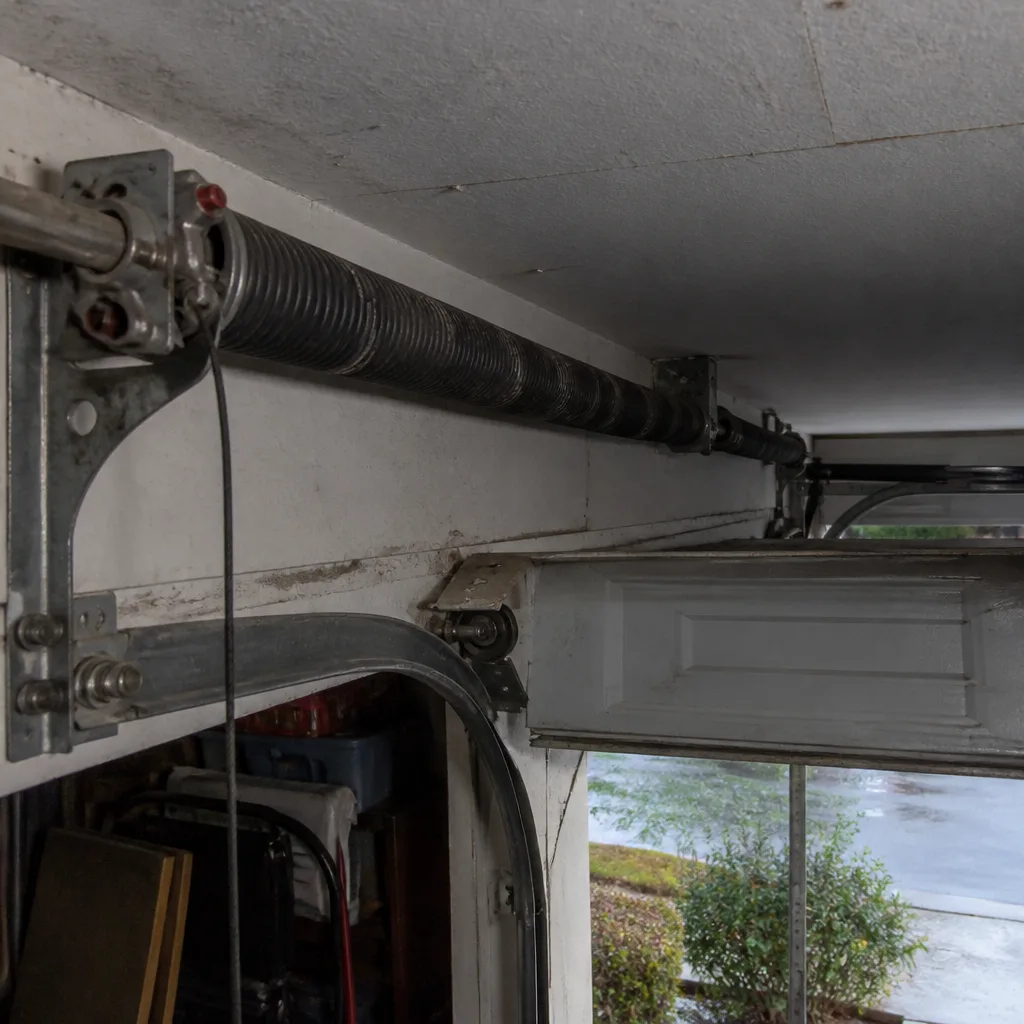
- Any adjustment, inspection, or repair involving torsion springs
- Replacing or re-tensioning lift cables
- Re-seating a track that has pulled more than half an inch from the wall
- Replacing rollers that require removing hinges from the door
- Opener circuit board diagnosis or replacement
- Any repair on a door that is partly open and not supported by a lift or locking pliers
Alder Garage Door Repair works across all the common brands in Aliso Viejo: LiftMaster, Chamberlain, Genie, and Clopay all show up regularly in local garages, and our technicians service all of them. The reason that matters for maintenance is simple: if a problem surfaces during your seasonal check, you want someone who can diagnose the system as installed, not someone who sells from their truck. For a deeper look at how we handle maintenance-related repairs on this specific market, see our Garage Door Repair in Aliso Viejo page.
Common Mistakes to Avoid
- Greasing the tracks. Grease on tracks turns into a paste of dirt and metal shavings, which makes the door work harder. Lubricate the rollers and hinges, not the track surface.
- Using WD-40 on springs. WD-40 is a solvent, not a garage door lubricant. It strips the existing lubrication and leaves springs dry, which accelerates wear and promotes rust in Aliso Viejo’s winter condensation season.
- Ignoring a door that feels heavy in winter. “It always does that in the cold” is a statement about a spring that’s slightly out of calibration. The door is heavier, the opener is compensating, and the opener will fail earlier than it should.
- Skipping the Santa Ana checklist because the door “seems fine.” Wind damage accumulates invisibly. The bracket that bends under October winds is the bracket that releases a cable in December.
- Treating the door and opener as separate systems. They are one system. A door that’s slightly out of balance is wearing out the opener every single cycle. Fix the door, and you extend the opener’s life. Most handyman services cannot service the opener electronics; a full-system company handles both in one visit.
- Deferring weatherstripping replacement until it’s visibly failed. By the time the bottom seal has visible gaps, the daily June Gloom moisture cycle has been working on the panel edges for weeks. Replace seals proactively, not reactively.
- Treating a spring as a DIY project. Torsion springs store enough energy to sever fingers or break arms. There is no YouTube video that makes this safe. If the spring needs attention, call someone who works on them every day.
See the difference
 Before
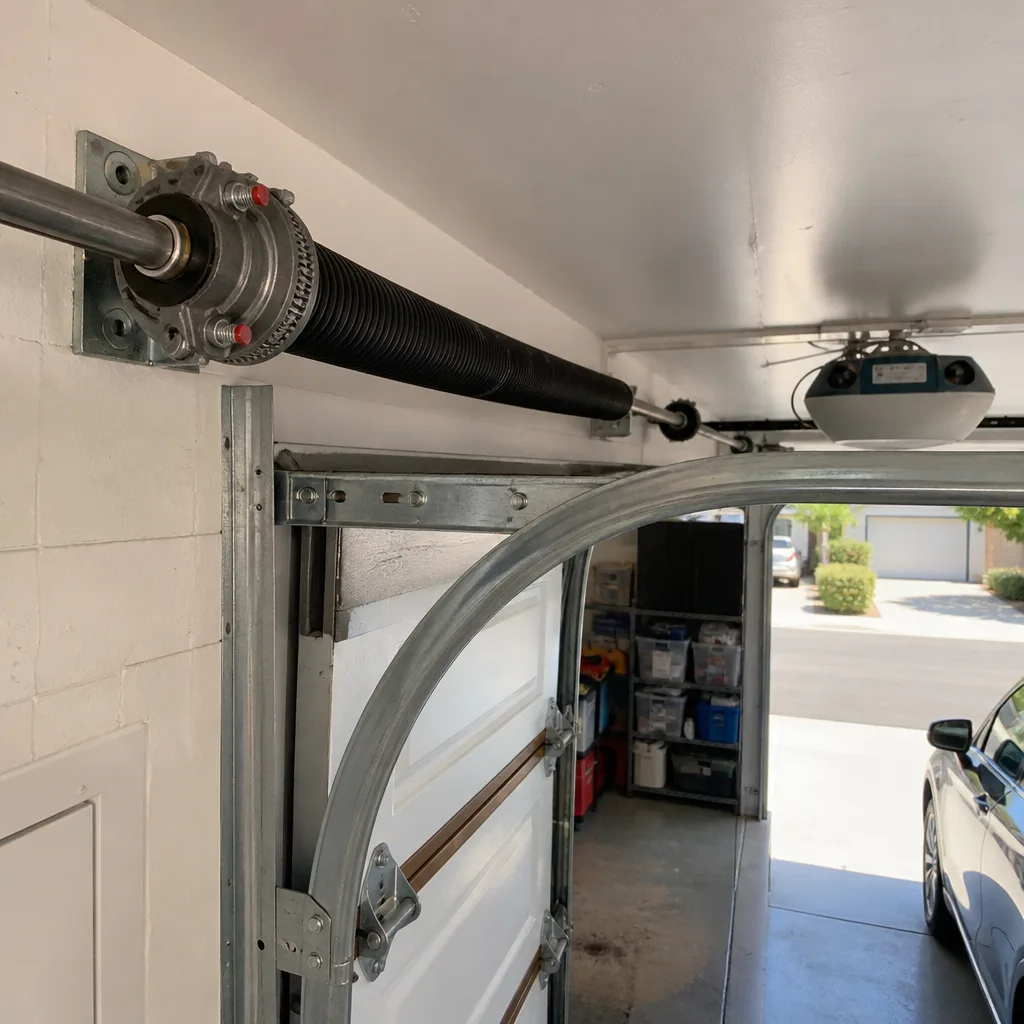 After
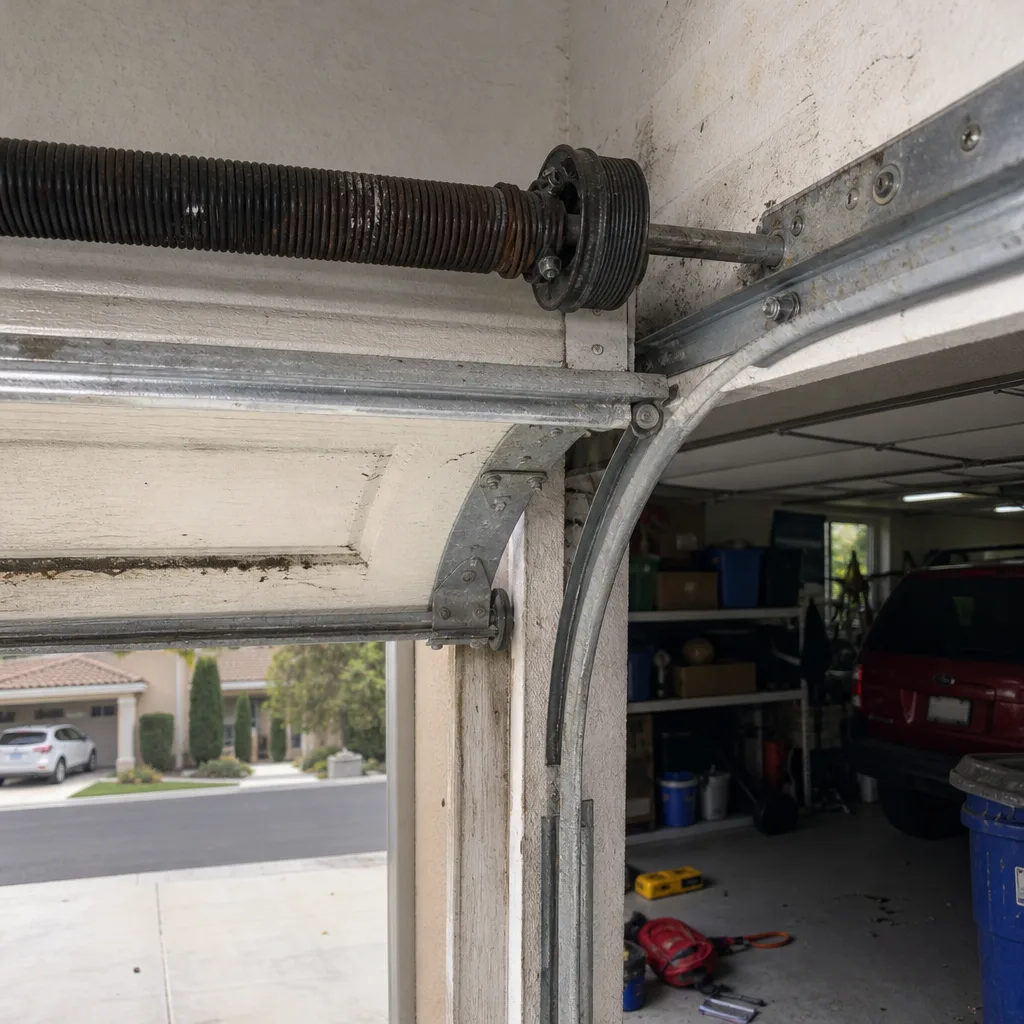 Before
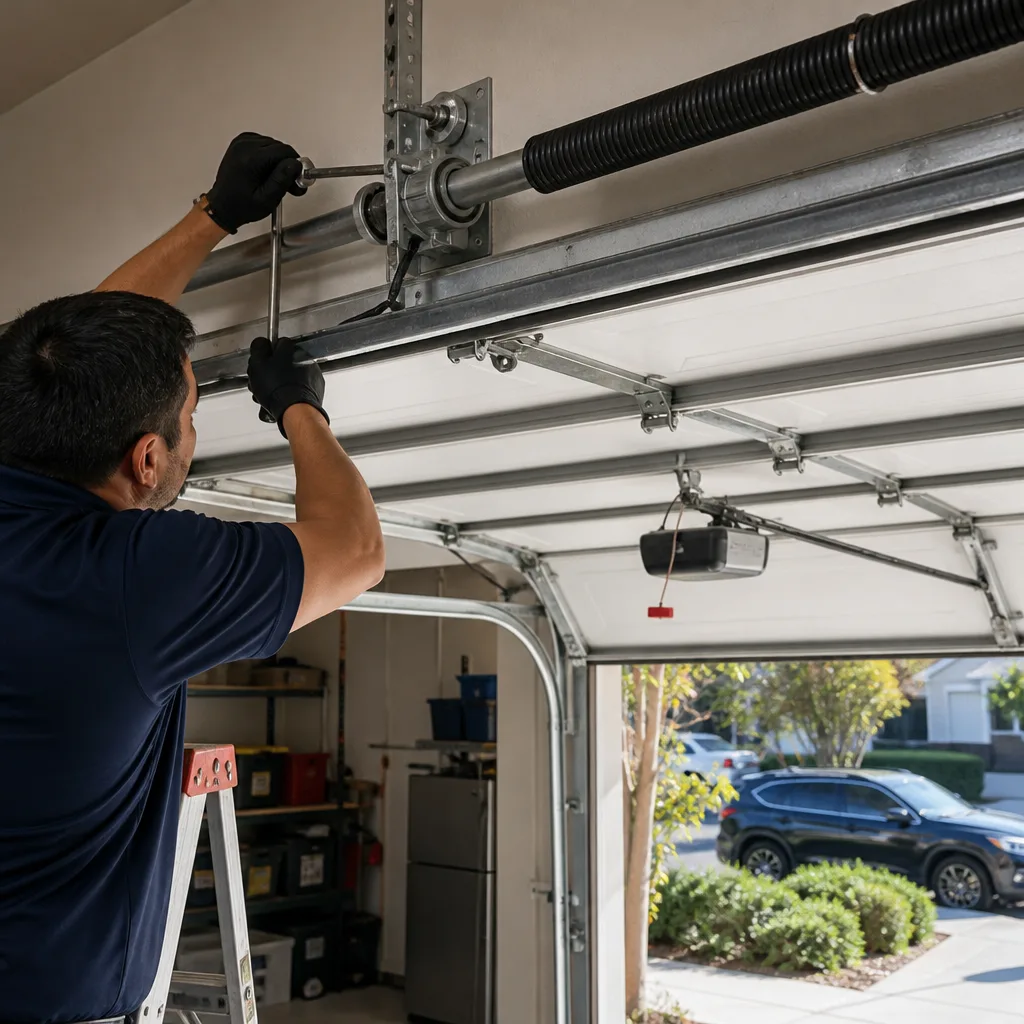 After
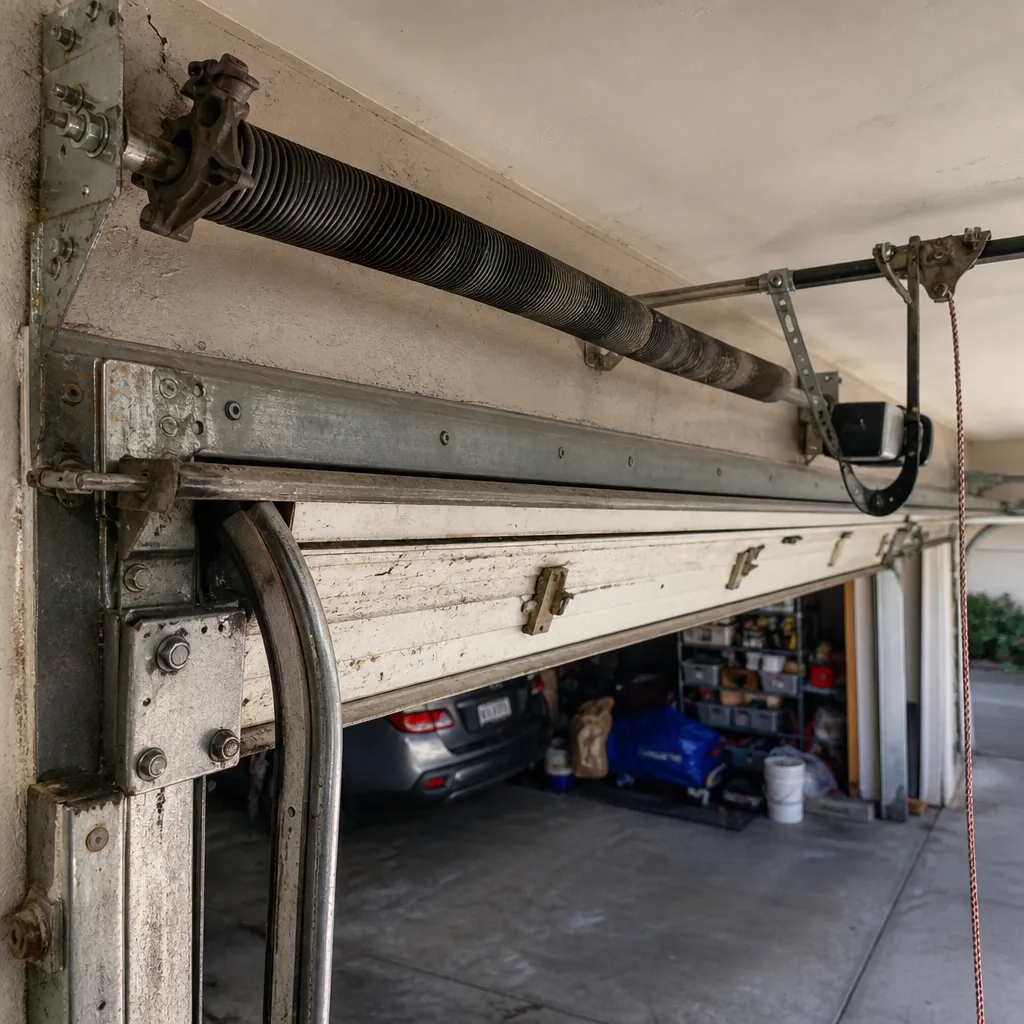 Before
 After
When to Call a Professional
Pick up the phone when the door is telling you something specific. A balanced door opens quietly and stays where you leave it. A door that slams, drifts, groans, or works differently at different times of day is not a minor annoyance. It is a component nearing failure, and the question is whether you replace a hinge today or a panel and track after a Santa Ana wind event finishes the job. Door cables that show any fraying, or springs with visible rust or gaps, are calls to make immediately. An opener that overheats or fails intermittently on hot afternoons is telling you the board is degrading, and a board that fails completely means a door that won’t open at all. Alder Garage Door Repair offers free estimates in Aliso Viejo. Call (855) 382-4001 and describe what you’re seeing. The work we do is quoted and agreed before any repair starts. For more on how we handle the full range of door and opener work, see our Alder Garage Door Repair home page.
Frequently Asked Questions
Once a year is sufficient for a professional tune-up, but seasonal self-checks make the difference. The Aliso Viejo climate puts different stress on the door each season: humidity in early summer, heat in late summer, wind in fall, and condensation in winter. Run the monthly checklist from this guide, and have a technician inspect the door every 12 months even if nothing feels wrong. For more guides & resources, see our blog.
A basic tune-up in Aliso Viejo typically runs between $85 and $150, which includes lubrication, hardware tightening, and a balance check. Repairs found during the tune-up are quoted separately. Prices vary by door size and condition. Call (855) 382-4001 for an exact quote on your system. Estimates are free, and no work starts until you’ve approved the price.
Yes. June Gloom produces daily humidity cycling, and the thing that bears that cycle is the bottom weatherstripping and the panel material behind it. A season of morning condensation and afternoon dry-out is enough to start the seal peeling at the corners. Once the seal is compromised, the moisture works on the panel itself. Aliso Viejo garages see this every year.
No. Torsion springs are under enough tension to cause severe injury or death if they release unexpectedly. Even a minor adjustment requires proper winding bars and technique, and doing it wrong creates a spring that can break. This is the one component where every professional in the trade draws the same hard line. Call a technician.
That symptom points to a heat-sensitive opener circuit board or a marginal torsion spring. Heat expands the spring slightly, reducing its tension and making the door heavier. Heat also stresses capacitors and resistors on the opener’s logic board, causing intermittent failure. If the door works at 9 a.m. and fails at 3 p.m., both components are worth checking. This pattern is common in Aliso Viejo in August and September when garage interiors push past 110 degrees.
Yes, because the city’s environmental stressors are different. No freeze-thaw cycles, but sustained humidity cycling from the marine layer. No snow, but Santa Ana wind events that load the door laterally. Mild winters that still shift spring calibration enough to matter. A maintenance schedule built for a four-season climate misses the specific failure patterns here and checks the wrong things at the wrong times.
The Bottom Line
A garage door in Aliso Viejo fails in predictable, seasonal patterns. June Gloom attacks the weatherstripping and panel edges. Summer heat exposes weak springs and tired opener boards. Santa Ana winds bend brackets and wear rollers. Winter condensation rusts springs and shifts tension calibration. If you check the right component at the right time, most failures are caught in the inspection phase, where repairs cost tens of dollars instead of hundreds. Ten minutes a month and one professional tune-up a year is the entire program. It starts with the next wind event or the next heat wave. Pick one and start checking.
Written by the team at Alder Garage Door Repair, serving Aliso Viejo since 2017.