
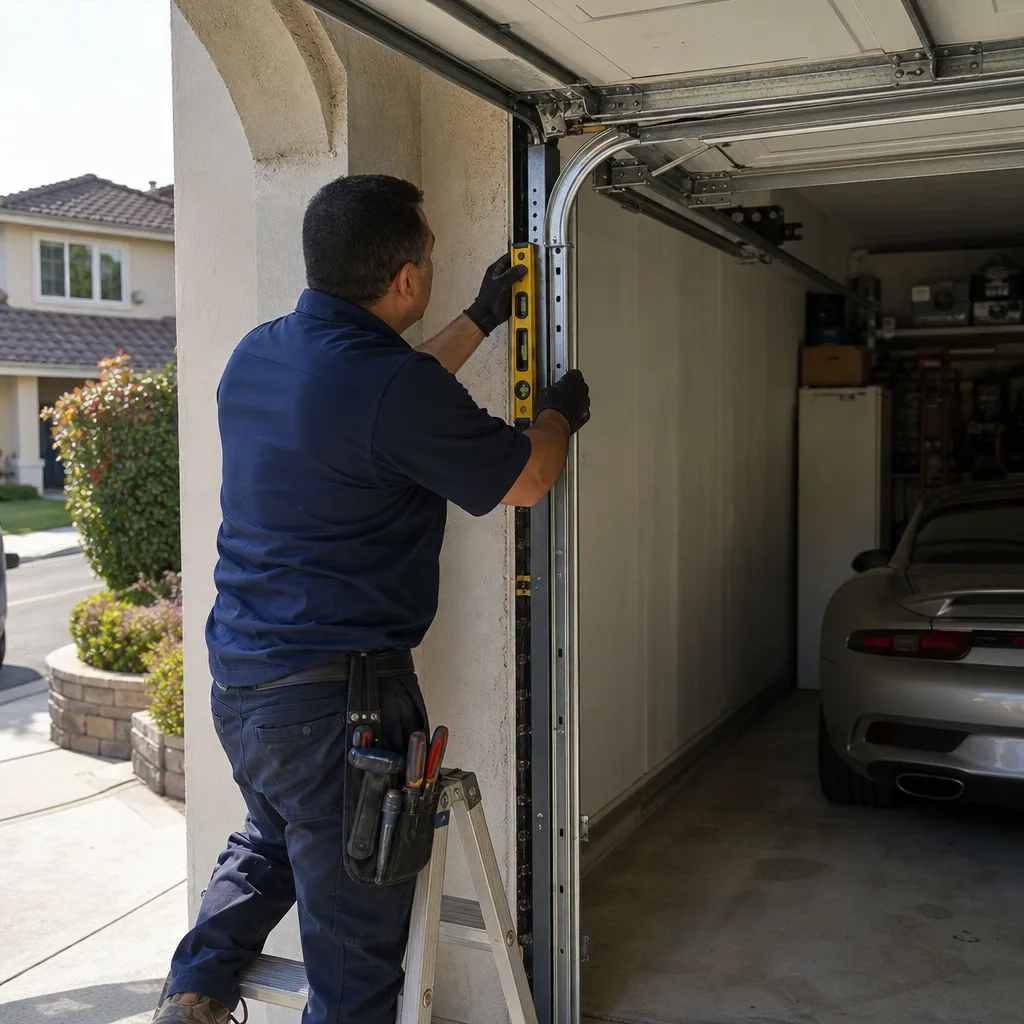
Last updated November 2, 2026
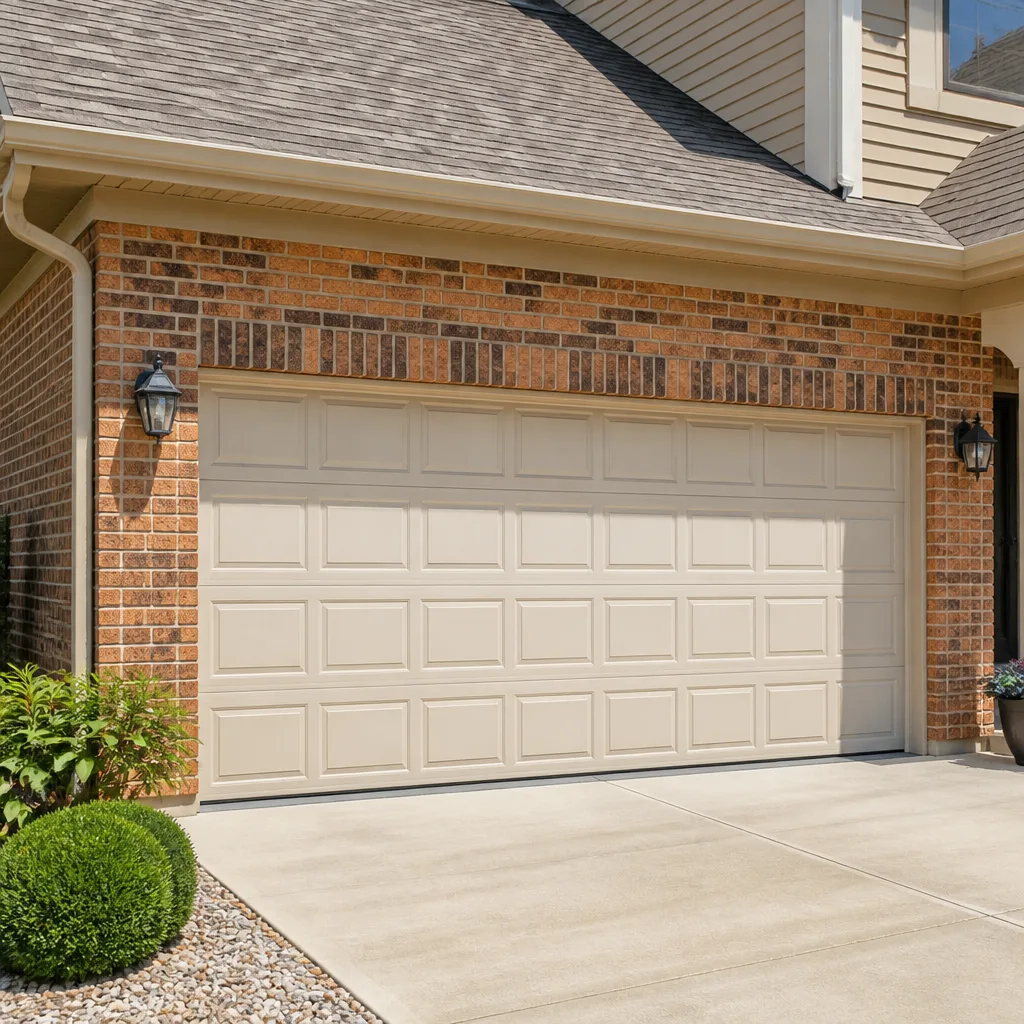 Raised-panel steel
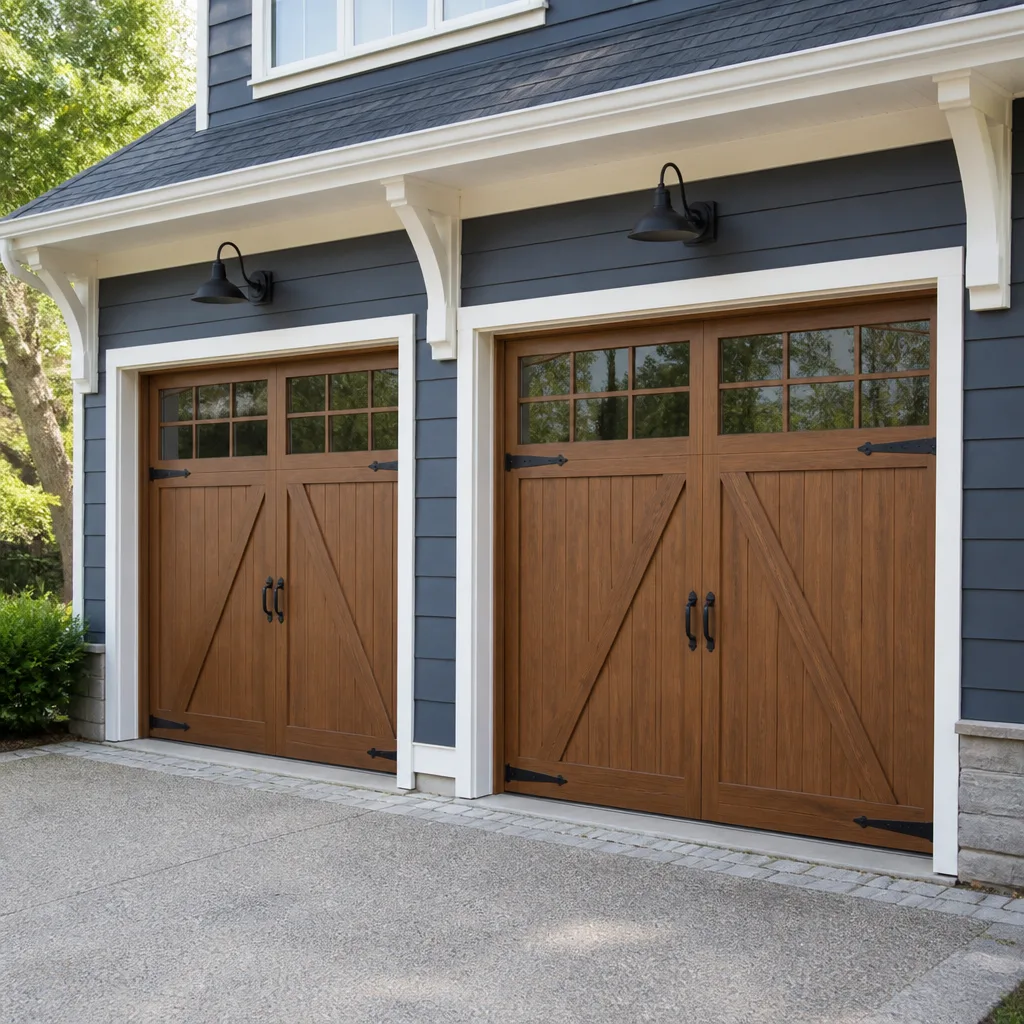 Carriage house
 Modern flush
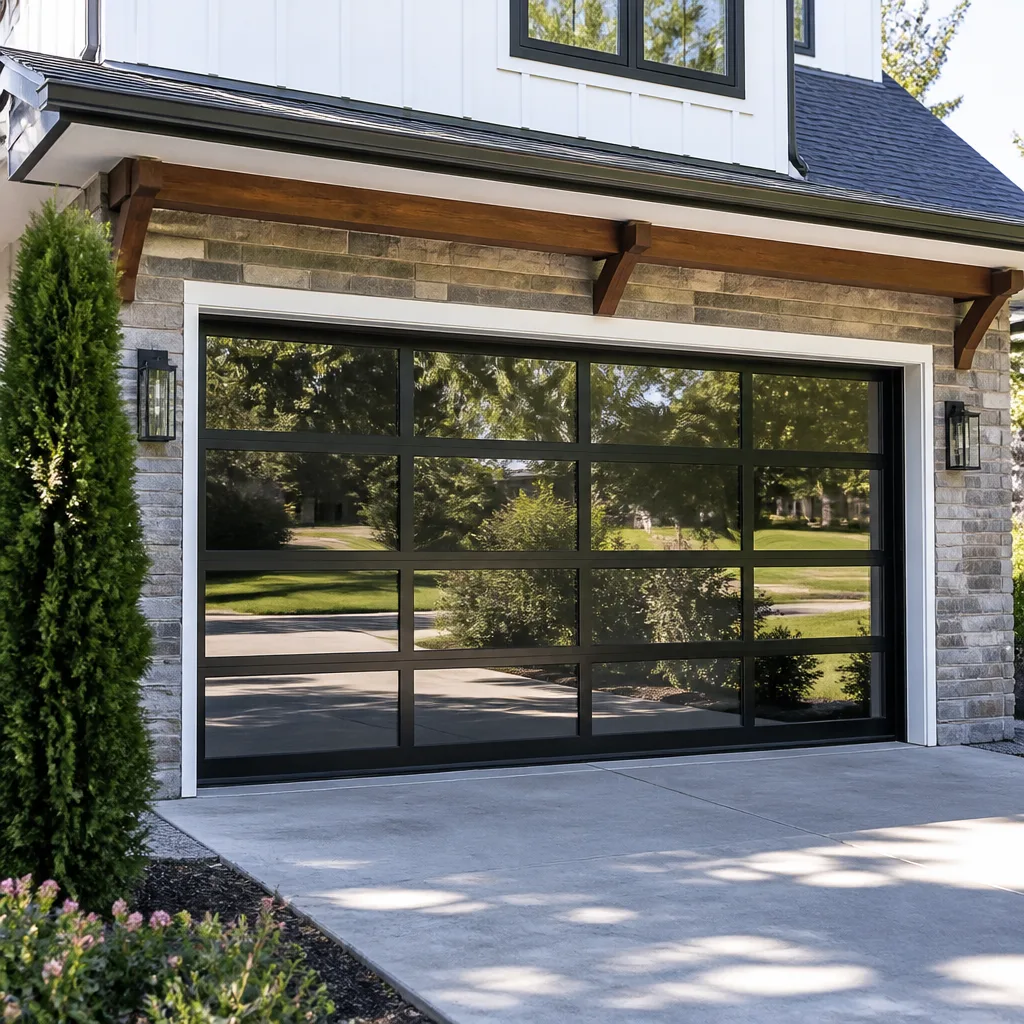 Full-view glass
 LiftMaster openers
 Chamberlain openers
Full 25-point door and opener safety check with every visit - springs, cables, rollers, tracks, and your LiftMaster or Chamberlain opener included
You get a price before we start. It does not change when the truck arrives.
Get your free estimateGarage Door Permits, Codes & Inspections in CA: What You Need to Know
Most California homeowners assume a garage door replacement is like swapping a refrigerator: unbolt the old one, bolt in the new one, done. That assumption is expensive. The same job, done on the same street in Aliso Viejo, can be permit-exempt one week and a code violation the next, depending on details nobody tells you at the parts counter. This guide explains exactly when a California garage door project triggers a permit, what the inspector actually checks, how unpermitted work surfaces during a home sale, and the specific code citations homeowners should know before signing any work order. For related reading, see our Garage Door Warning Signs: An Aliso Viejo Homeowner’s Reference Guide. You’ll leave with a working understanding of the rules, plus the inspection realities we’ve encountered across Orange County.
Styles & brands we work with
- Raised-panel steel
- Carriage house
- Modern flush
- Full-view glass
- LiftMaster openers
- Chamberlain openers
Quick Answer
In California, a like-for-like garage door replacement (same size, same opening, no structural alteration) typically does not require a building permit under the California Residential Code, but swapping a solid door for a glass-panel or cutting a new opening does. The trigger points are structural alteration, fire-rating requirements for attached garages, and separately permitted electrical work for opener circuits. When in doubt, call your local building department. In Aliso Viejo, that’s the City’s online permit portal, which we’ll walk through below.
Table of Contents
- What Actually Triggers a Garage Door Permit in California
- How the City of Aliso Viejo Permit Portal Actually Works
- Fire-Rated Door Requirements for Attached Garages: The Code Citation That Surprises Homeowners
- How Unpermitted Garage Door Work Surfaces in Real Estate Transactions
- When an Opener Installation Triggers Its Own Electrical Permit
- What the Inspector Actually Looks At: The Real Inspection Checklist
- Permit Costs, Flat Fees, and Why Some Contractors Skip Them
- Common Mistakes to Avoid
- When to Call a Professional
- Frequently Asked Questions
- The Bottom Line
What Actually Triggers a Garage Door Permit in California
The California Residential Code (CRC) does not have a line item that says “garage door replacement requires a permit.” That’s the problem. The requirement comes indirectly through sections governing structural alterations, fire-resistance-rated assemblies, and exterior wall penetrations. Section R105.1 states that “any owner or authorized agent who intends to construct, enlarge, alter, repair, move, demolish, or change the occupancy of a residential building” must obtain a permit. The word “alter” does the heavy lifting.
A straightforward panel replacement, where the old door comes off the existing track and a new door of the same width and height goes onto the same track, is generally treated as a repair or replacement of equipment. No structural change, no permit. But here’s where it gets situational:
- Changing door dimensions: If the new door is wider or taller and requires cutting into the header or jambs, that’s an alteration. Permit required. Period.
- Adding a pass door: Cutting a personnel door into a garage wall triggers a permit because you’re altering the lateral load path of an exterior wall.
- Converting a solid panel to glass: If the original door was a solid, non-rated panel and you’re installing a full-view aluminum or glass door, you may have changed the fire separation characteristics of the wall. For attached garages, that’s a code issue. Permit required in most jurisdictions.
- Replacing the header: Any modification to the wood or steel header supporting the opening requires engineering and a permit. No exceptions.
In Aliso Viejo, we’ve seen homeowners get through a simple panel swap without any paper trail, only to have the next project, a new opener with a dedicated circuit, force the inspector to open the permit file and find the prior work. If you’re troubleshooting what went wrong, our Garage Door Repair Troubleshooting: Common Problems and How to Fix Them can help. One permit can cascade. The practical rule: if the opening hasn’t changed and the wall assembly hasn’t changed, you’re likely fine. If either has changed, start with the city.
How the City of Aliso Viejo Permit Portal Actually Works
Aliso Viejo’s Building Division runs permit applications through its online portal, which handles submittal, plan review status, scheduling, and payment. The portal is efficient compared to many OC cities, but it’s not intuitive. Here’s the step-by-step sequence a homeowner follows for a permitted garage door project in Aliso Viejo:
- Determine if a permit is required. The city’s “Do I Need a Permit?” page lists garage door replacement under “Work That May Not Require a Permit,” with the qualifier that the door must be same-size, same-type, and not part of a fire-rated assembly. If you’re unsure, email the Building Division. They respond faster than most.
- Create a portal account and start the application. You’ll select “Building Permit” and “Residential Alteration.” The portal will ask for the property address, project description, and a brief scope of work.
- Upload a site plan or drawing. For garage door work, a diagram showing the opening dimensions, door type, and location relative to the house is usually sufficient. If you’re changing dimensions or adding a pass door, you’ll need stamped drawings or at least a detailed elevation.
- Pay the plan check fee. Aliso Viejo charges a plan check fee at submittal, separate from the final permit fee. This is typically under $200 for a simple alteration.
- Wait for plan review. Simple replacement permits in Aliso Viejo clear in 5 to 10 business days. Anything involving structural changes takes longer, especially during spring when the building department sees a surge.
- Schedule the inspection. Once the work is done, you call for a final inspection through the portal. The inspector comes out, checks the installation against the approved scope, and signs off.
A note from experience: the portal shows status codes that mean nothing to a homeowner. “Routed for Plan Check,” “Resubmittal Required,” “Awaiting Applicant Action” all sound ominous. Don’t assume the worst. Call the Building Division directly and ask a human. The people answering the phones know more than the portal’s status field admits.
We’ve worked with enough Aliso Viejo homeowners to know the portal’s quirks. If you’re shopping for a garage door installation in Aliso Viejo, ask the installer whether they handle the permit application or expect you to. The answer varies widely by company, and it matters before work starts, not after.
Fire-Rated Door Requirements for Attached Garages: The Code Citation That Surprises Homeowners
Here’s the section most people have never heard of: CRC Table R302.6, which governs the “separation between the garage and dwelling units.” For attached garages, the wall and any opening between the garage and the living space must provide a fire-resistance rating. The garage-to-house door, the one you walk through, must be a 20-minute fire-rated door with self-closing hinges. The wall between the garage and the house requires 1/2-inch gypsum board on the garage side. That part is well known. What’s not well known is what R302.6 implies for the vehicle door itself.
The vehicle door is not strictly a fire-rated assembly under most interpretations, because it sits on the exterior wall, not the separation wall. But here’s the catch: many Aliso Viejo homes built in the 1990s and early 2000s were constructed with garage doors that are integrally part of the exterior wall’s shear and fire-resistance design. If the original door was listed as part of the approved plans as a component of the wall assembly, any replacement must match the original door’s specifications, including any fire-resistive glazing in windows.
When does this actually matter in practice? Two scenarios we see repeatedly:
- Homeowners replacing an original door with a lightweight aluminum full-view door. The new door looks great, but if the house’s fire separation was calculated with the original steel door’s mass, the wall may no longer perform as designed. An inspector can flag it. It happened in a Turtle Rock neighborhood home last year, where a homeowner’s new glass door prompted a resubmittal and a $1,900 fix to upgrade the wall assembly.
- Owners of homes in fire hazard severity zones. Wildfire-adjacent areas have additional requirements under Chapter 7A of the California Building Code, which mandates ignition-resistant materials for exterior components within certain zones. A garage door that doesn’t meet Chapter 7A compliance in a mapped fire zone is a code violation, full stop, permit or not. We’re seeing more Aliso Viejo homeowners get flagged for this as the city updates its wildfire hazard maps.
The practical takeaway: before you agree to any door replacement on an attached garage, ask one question: “Is this door materially different from the original in weight, material, or glazing?” If yes, ask the contractor to verify it meets the wall assembly requirements in your home’s approved plans. If the contractor gives you a blank look, find another contractor.
How Unpermitted Garage Door Work Surfaces in Real Estate Transactions
California’s real estate disclosure requirements are stricter than most states, and they catch up with unpermitted garage work in predictable ways. The most common sequence: a buyer’s home inspector notes that the garage door appears newer than the surrounding hardware, or the panel dimensions don’t match the original plans on file with the city. The inspector flags it. The buyer’s agent requests the permit. The seller doesn’t have one. The sale stalls.
The standard fix in Orange County is a “permit after the fact” filing, which means going to the city, admitting the work was done without a permit, and having it inspected and approved retroactively. In Aliso Viejo, the process works, but it’s not free. The city charges a penalty fee, typically double the original permit fee, and requires the work to be brought into current code compliance before sign-off. If the door was installed correctly, the after-the-fact permit resolves quickly. If it wasn’t, you’re now paying for corrections on top of the penalty.
Seller disclosure obligations in California are governed by Civil Code Section 1102, the Transfer Disclosure Statement. The TDS asks specifically whether any additions, alterations, or repairs were made without permits. Lying on the TDS is a basis for rescission, meaning the buyer can unwind the deal, plus recover attorney’s fees, in some cases. That’s the nightmare scenario: not just a stalled sale, but a signed contract that a lawyer could be using to unwind it.
A related issue: insurance. Many California homeowners’ policies exclude coverage for damage caused by unpermitted work. If your unpermitted garage door fails and damages a vehicle or, worse, causes a fire that spreads to the house, the insurer can deny the claim on the grounds that the work was done in violation of city code. We’ve heard from two Aliso Viejo homeowners in the past three years who dealt with exactly this after a torsion spring failure sent a heavy door crashing down onto a car. The door repair was straightforward. The insurance leg was not.
When an Opener Installation Triggers Its Own Electrical Permit
The door and the opener are separate systems, and the California Electrical Code treats them that way. Replacing an existing garage door opener, plugging the new one into the same dedicated outlet the old one used, is generally permitted as a like-for-like replacement. No electrical permit, no inspection. But several common scenarios do trigger an electrical permit requirement, and homeowners miss them because they think the opener permit, if any, is bundled with the door. It isn’t.
- Adding a new circuit. If the home didn’t previously have a garage door opener, or the existing circuit can’t handle the new unit’s draw, the electrician runs a new branch circuit from the panel. That’s a permitted electrical job. Done without a permit, it’s a code violation that an inspector or home inspector can spot by looking at the panel labeling.
- Extending a circuit. Relocating the opener outlet, adding a ceiling receptacle for a side-mount opener, or extending the existing circuit to reach a new motor location all require an electrical permit.
- Upgrading to a battery backup system. Newer California code provisions for garage door openers in certain multifamily and some single-family settings require battery backup on openers. If the battery backup wiring was added without a permit, the next inspection will catch it.
The opener-specific point matters because most garage door companies are not electrical contractors. They can install the opener, plug it in, and call it done. But if the installation involved new wiring, the homeowner needed an electrical permit they probably never knew about. At Alder Garage Door Repair home we’re clear about this split from the start: when an opener job requires electrical work beyond a simple plug-in swap, we tell the homeowner to pull the electrical permit separately or hire a licensed electrician for that portion. It’s a cleaner separation of scopes and it keeps everyone’s paperwork straight.
We’ve been doing garage door opener repair in Aliso Viejo long enough to know that half the households with an opener issue have never thought about the circuit behind it. The motor is fine; the wiring is the problem. That’s a different call.
What the Inspector Actually Looks At: The Real Inspection Checklist
The inspection form the inspector carries has boxes. The inspector’s eyes look past the boxes. Here’s the practical list of what gets checked during a garage door inspection in Aliso Viejo, based on what we’ve observed across dozens of permitted jobs:
- Door operation. The inspector runs the door through a full cycle. It should open smoothly, close fully, and sit square in the opening. A door that binds or hangs gets a correction notice, even if the form doesn’t have a specific box for it.
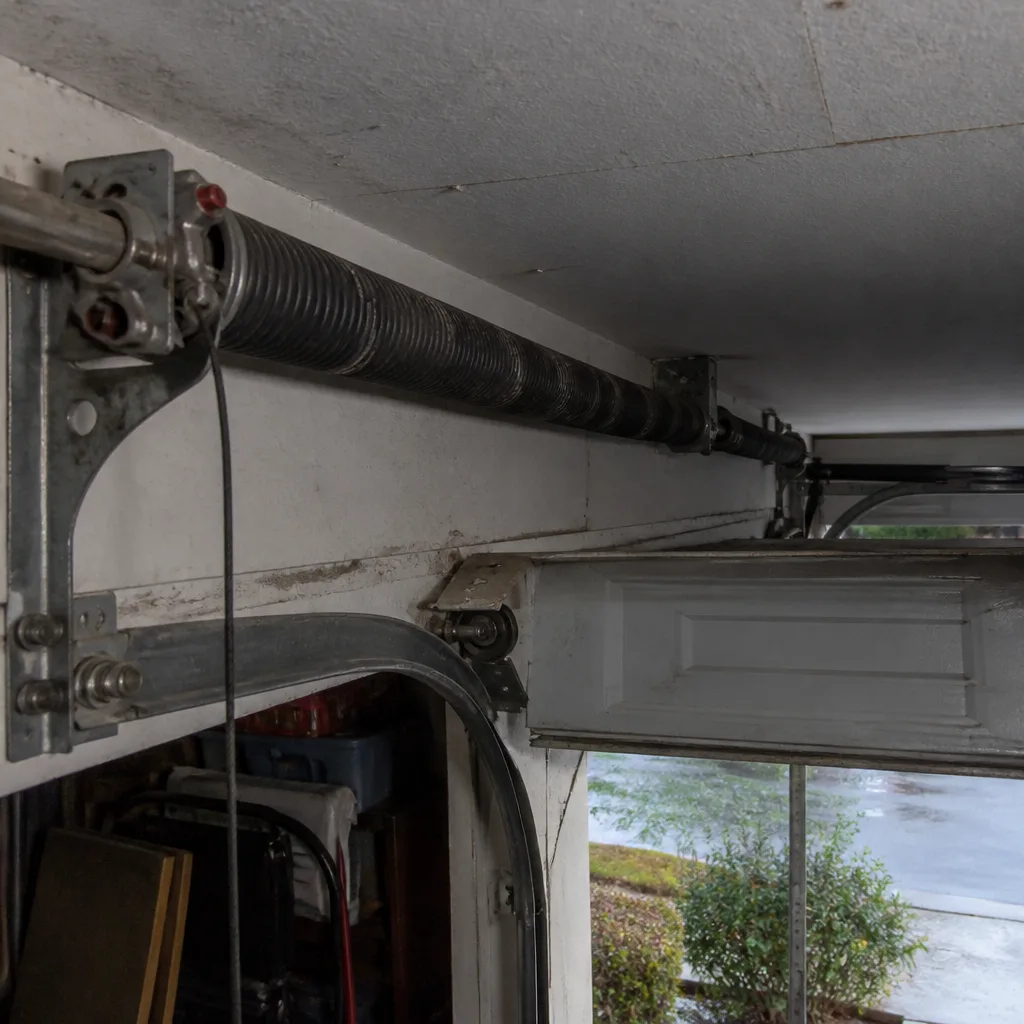
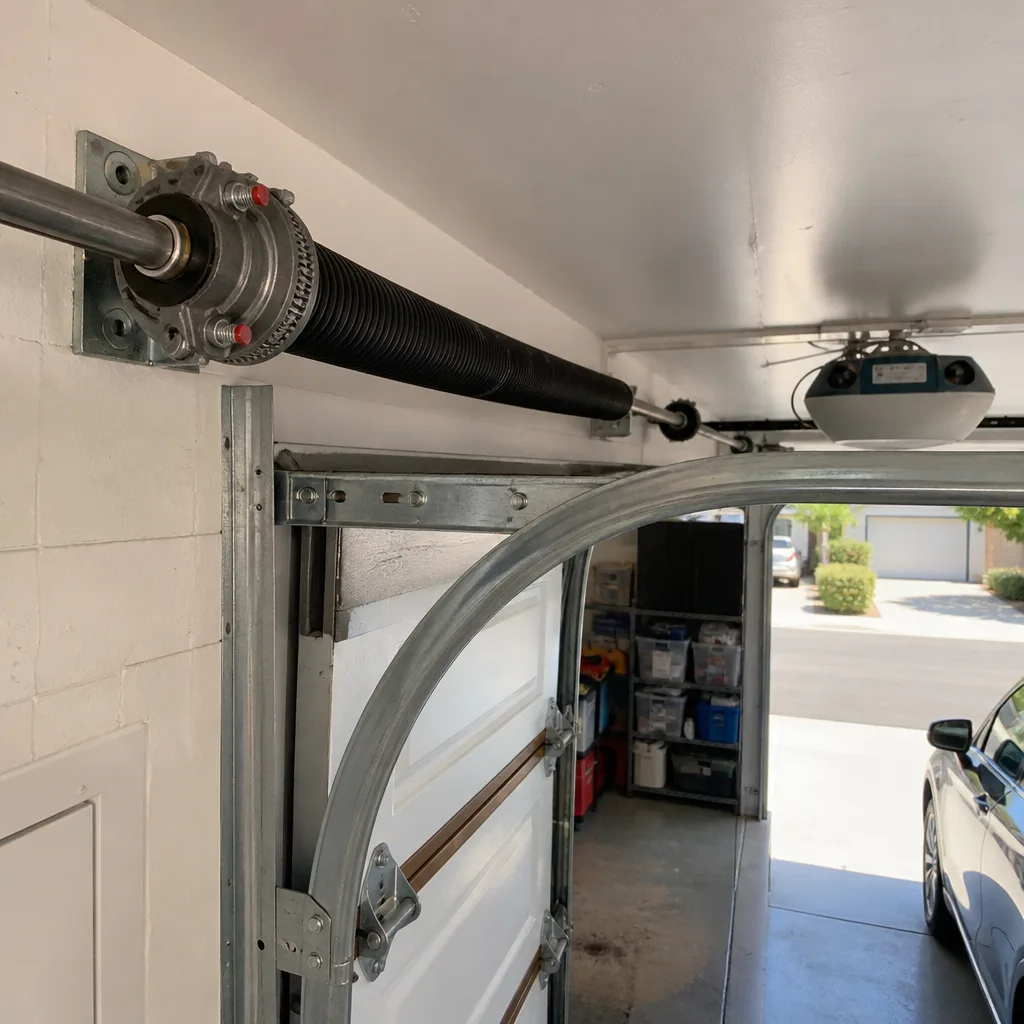
- Spring containment. Torsion springs must have containment cables installed, per CRC Section R309.4. This is a frequently missed item. If the springs don’t have safety cables, the inspector will write it up. It’s a $30 fix, but it stalls the sign-off.
- Photo eye function. The automatic reverse mechanism, triggered by the photo eyes near the floor, must work. The inspector will break the beam with a tool or a foot and watch the door reverse. If the eyes are misaligned or the reverse is slow, that’s a correction.
- Manual release. The emergency release handle, the red cord hanging from the opener rail, must be red, within reach, and functional. Inspectors check this. It’s a safety item that costs ninety seconds to verify.
- Fire separation on the house-side wall. For attached garages, the inspector checks that the drywall on the garage side is intact and that the pass door to the house closes and latches by itself. Any holes, missing drywall, or a pass door without a self-closer and this becomes a larger issue.
- Anchor points and header condition. The inspector visually checks the brackets, fasteners, and the header. If there’s cracking, water staining, or loose anchors, the inspection stops until it’s fixed.
- Electrical. If the job included permitted electrical work, the inspector verifies the circuit is properly protected, grounded, and installed to code. This is where the opener permit catches up with the door permit.
The recurring theme: most inspection failures in Aliso Viejo are small safety items, not structural failures. The fix is usually a containment cable or a realigned photo eye, not a rebuild. The problem is that a failed inspection costs the homeowner another scheduling cycle and another trip fee from the contractor, plus the inspection re-fee. Getting it right the first time is cheaper by a margin.
Permit Costs, Flat Fees, and Why Some Contractors Skip Them
California building permit fees for residential alterations are calculated as a percentage of project valuation, plus flat fees. For a typical garage door replacement, the valuation is usually set by a city’s standard schedule. In Aliso Viejo, a simple garage door alteration typically falls in the $150 to $350 permit fee range, with the plan check fee in addition. A structural alteration, like a header change or an opening enlargement, can push the total over $1,000 once plan check, engineering, and the permit itself are combined.
The flat-fee reality is why some contractors skip permits. If a contractor has to charge for a permit and the associated scheduling time, their quote is $400 higher than a competitor’s. The homeowner sees two bids: one at $1,850, one at $2,250. They choose the cheaper one. The cheaper contractor installs the door, collects the check, and disappears. The homeowner discovers the missing permit later, when it matters.
We take the opposite position. If a job needs a permit, the quote includes it, line item by line item. If a job doesn’t need a permit, we say so, and we’ll explain why in writing. That’s the honest way to handle a gray-area code like the one governing garage doors in California. The door itself is not gray, but the permit trigger can be.
One more cost people forget: the correction cost. If work is done wrong, unpermitted, and is caught later, the after-the-fact permit, the penalty, and the correction labor can easily double the original job cost. A door that would have been $900 permitted can become $2,400 once the city is involved after the fact. That’s the price of saving $400 on the front end.
Common Mistakes to Avoid
- Assuming a “same-size” door never needs a permit. Same-size is not the only test. Same type matters too. Switching from a solid steel door to a full-view glass door can change the wall assembly’s fire characteristics, which is a code distinction, not just a style choice.
- Treating the opener as part of the door. The opener is a separate system with its own electrical permit triggers. Many homeowners assume the door permit covers the opener. It doesn’t, when the opener work involves new wiring.
- Ignoring the fire separation on the house-side wall. The wall between an attached garage and the house is a rated assembly. If the drywall is damaged, or if a pass door doesn’t self-close, the garage door permit inspection can fail on account of a wall issue that has nothing to do with the door.
- Buying a door without verifying Chapter 7A compliance in wildfire zones. Parts of Aliso Viejo and surrounding Orange County fall within wildfire hazard severity zones. A door that’s not ignition-resistant when one is required becomes a seller’s problem at resale.
- Not asking the contractor whether they handle permits. Some do, some don’t, some say they do and then file nothing. Ask up front. Get it in writing. The difference surfaces during escrow.
- Deleting old records. If the original garage door was installed with a permit, keep that record. It’s the baseline that makes a future like-for-like replacement defensible as non-permitted work. Homeowners who throw away the original paperwork end up proving a negative later.
When to Call a Professional
Some garage door work is genuinely DIY-friendly. Replacing a weathered bottom seal, lubricating rollers, adjusting a photo eye alignment, that kind of thing doesn’t require a permit and doesn’t require a specialist. But replace a torsion spring without the right tools and the right training and you’re risking a serious injury. High-tension springs store energy measured in hundreds of pounds. When they let go, they let go violently. We strongly recommend leaving spring work, cable work, and anything involving the door’s counterbalance system to someone who does it daily.
Permit questions are also worth a call. If you’re not sure whether your door replacement in Aliso Viejo triggers a permit, the Building Division’s phone staff can answer quickly in most cases. And if the project is beyond what you want to manage yourself, we’re here. Alder Garage Door Repair offers free estimates in Aliso Viejo, and the price is quoted and agreed before any work starts. Call (855) 382-4001. We’ll tell you honestly whether the job needs a permit, and if it does, we’ll handle the paperwork.
Frequently Asked Questions
For a same-size, same-type replacement with no structural changes, Aliso Viejo generally does not require a building permit. If the new door changes the opening dimensions, the wall assembly, or the fire-resistance characteristics of the exterior wall, a permit is required. When in doubt, call the Aliso Viejo Building Division and describe the job. Call (855) 382-4001 for a free estimate, and we’ll confirm the permit path for your specific door before work begins.
A repair restores something to its original condition and generally doesn’t require a permit. An alteration changes something from its original condition: different dimensions, different materials, different function, and does require one under CRC Section R105. Replacing a broken panel on an existing door is a repair. Replacing the whole door with a different type or size is an alteration. The distinction matters, and it’s why some “replacements” fly under the radar while others get flagged.
They don’t always. Unpermitted work surfaces in other ways: during a home sale when a buyer’s inspector compares the property to city records; during an insurance claim when the carrier asks for documentation; or when a different permitted project brings an inspector to the property and they notice something inconsistent. The common thread is that the information surfaces later, not during the initial installation. That’s when the after-the-fact permit and the penalty fee come due.
Yes. Most California cities, including Aliso Viejo, allow work to be permitted retroactively. The process involves filing the permit application after the fact, paying a penalty fee that’s typically double the original permit fee, and having the work inspected for code compliance. If the work was done correctly, the process resolves quickly. If it wasn’t, the corrections get expensive. Call (855) 382-4001 and we’ll tell you whether your existing door installation is likely to pass inspection as-is.
Some policies exclude coverage for damage caused by work done without required permits. The exclusion is usually tied to the cause of the loss: if the unpermitted work caused or contributed to the damage, the insurer can deny the claim. This comes up most often in cases involving garage door springs failing under load or opener electrical faults. A permitted installation creates a paper trail that protects you in a claim dispute.
For a simple garage door alteration in most Orange County cities, the permit fee runs between $150 and $350, with Aliso Viejo typically in that range. Structural changes that require engineering review push the total over $1,000. The exact figure depends on the city’s fee schedule and the project’s valuation. Get the line item in writing from your contractor before work starts. We quote permit costs separately on every Aliso Viejo job, so you know exactly what the city is charging.
No. The permit requirement is driven by the installation characteristics: dimensions, wall assembly, fire rating, and electrical work. A Clopay door and an Amarr door installed in the same opening face the same code rules. What matters is whether the installation alters the structure. That said, if you’re replacing a door from one of the major brands like Wayne Dalton or Craftsman with something entirely different in weight or material, the wall assembly question becomes relevant. We work on all of them, and we’ll tell you if your particular swap triggers a permit.
The Bottom Line
California’s garage door permit rules are situational, and the situations are not the ones homeowners anticipate. A like-for-like replacement usually needs no permit. A dimension change, a material change, or a fire-rated wall question usually does. The opener brings its own electrical permit triggers, separate from the door. Unpermitted work surfaces during home sales and insurance claims, and the fix is an after-the-fact permit plus a penalty fee. The code is not hard to comply with when you know the triggers. The trouble is that most people don’t know the triggers until a contract, an inspector, or an insurer makes them known. The cheapest route is to ask before the door goes up. For Aliso Viejo homeowners who want a straight answer on whether their project needs a permit, call Alder Garage Door Repair at (855) 382-4001. We’ll tell you what the city requires, what the job costs, and whether it’s a permit job at all. No guessing, no surprises.
Written by the team at Alder Garage Door Repair, serving Aliso Viejo since 2017.
See the difference
 Before
 After
 Before
 After
 Before
 After