
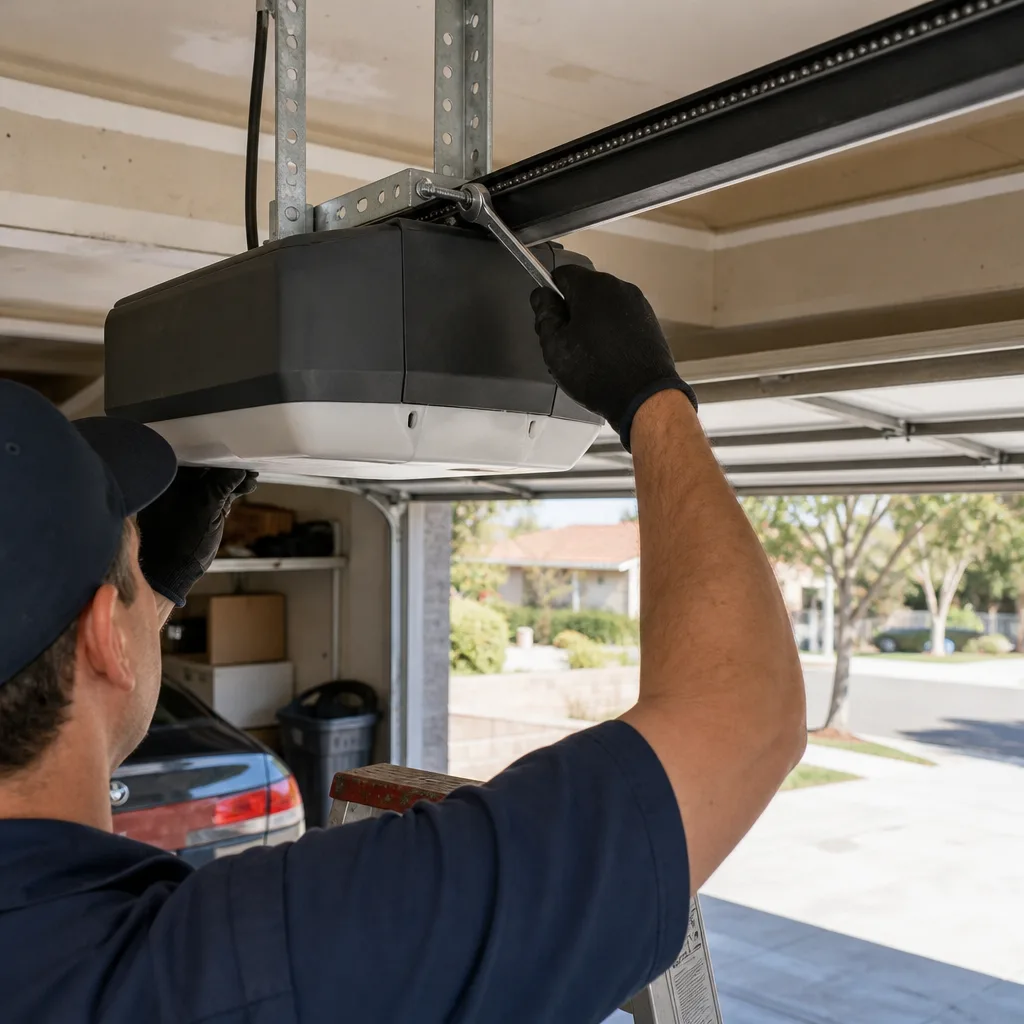
Last updated November 2, 2026
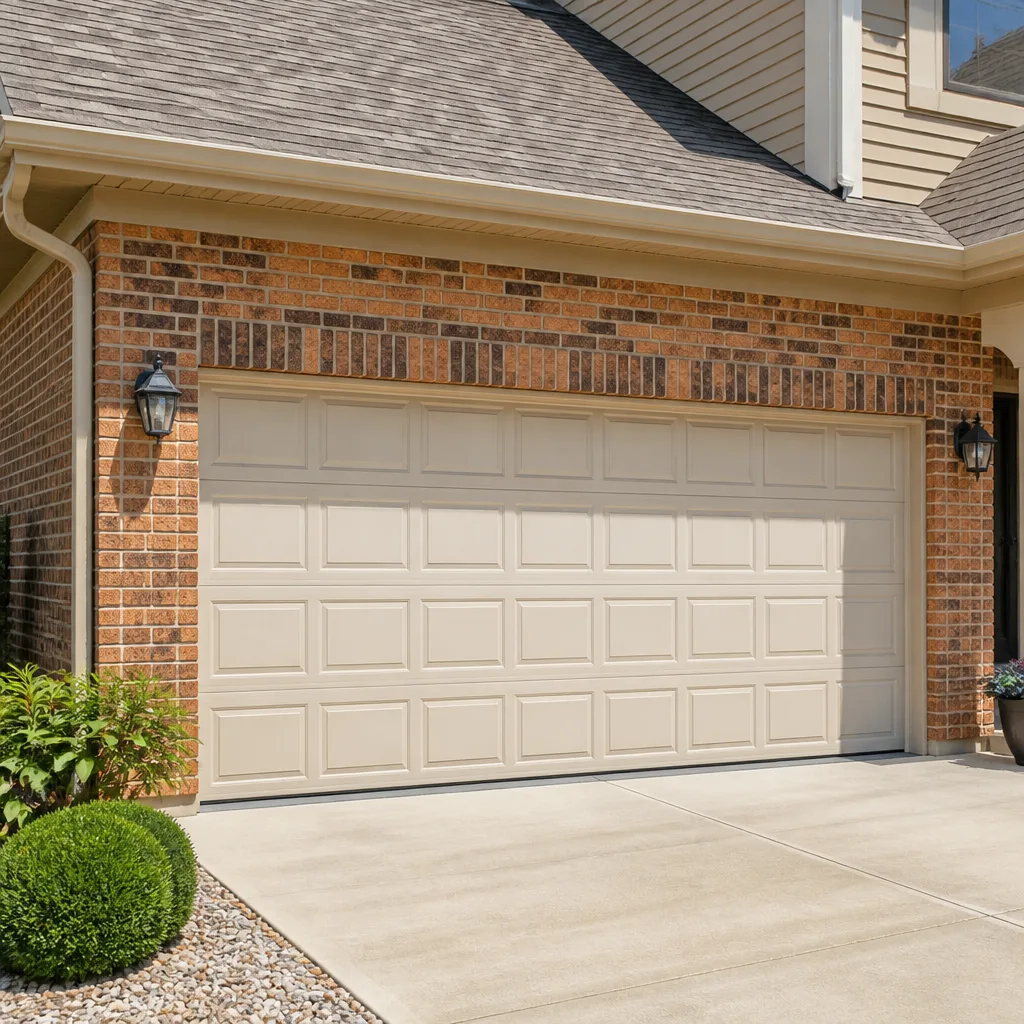 Raised-panel steel
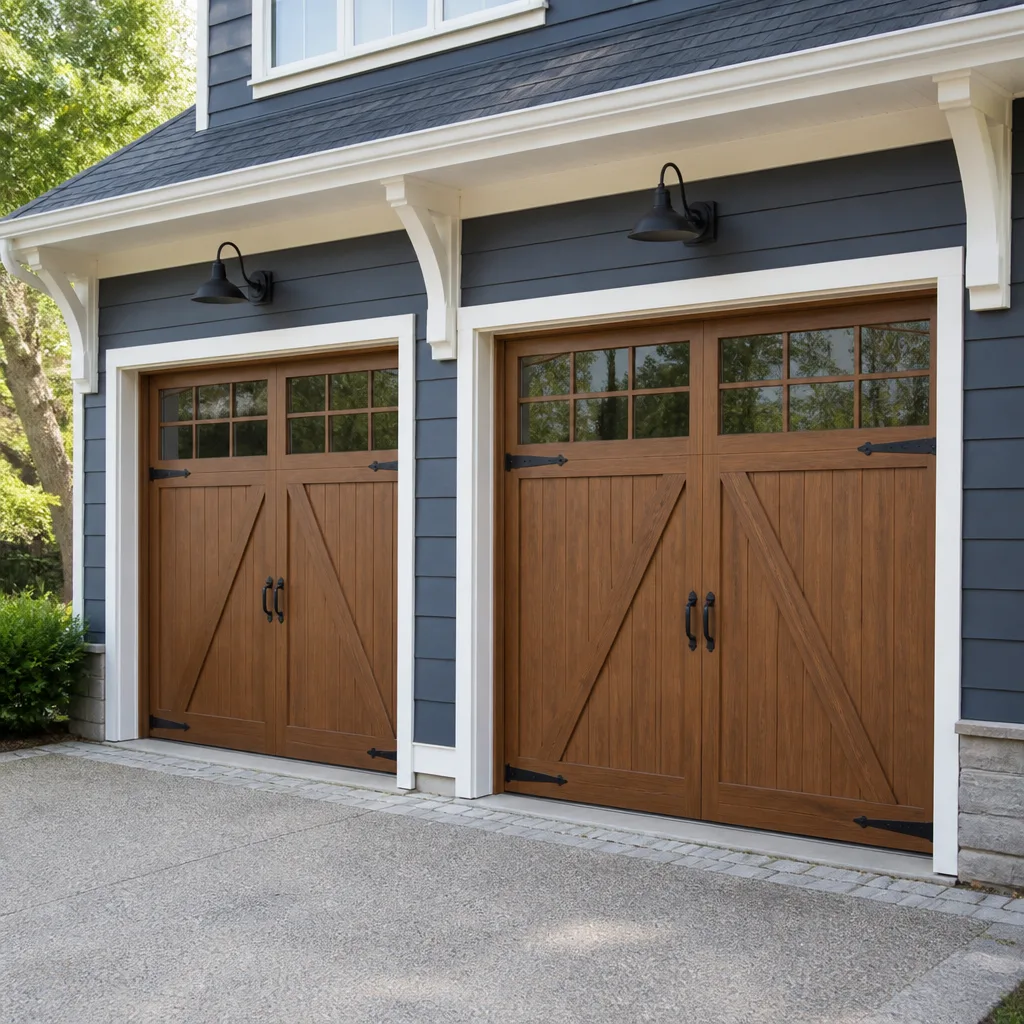 Carriage house
 Modern flush
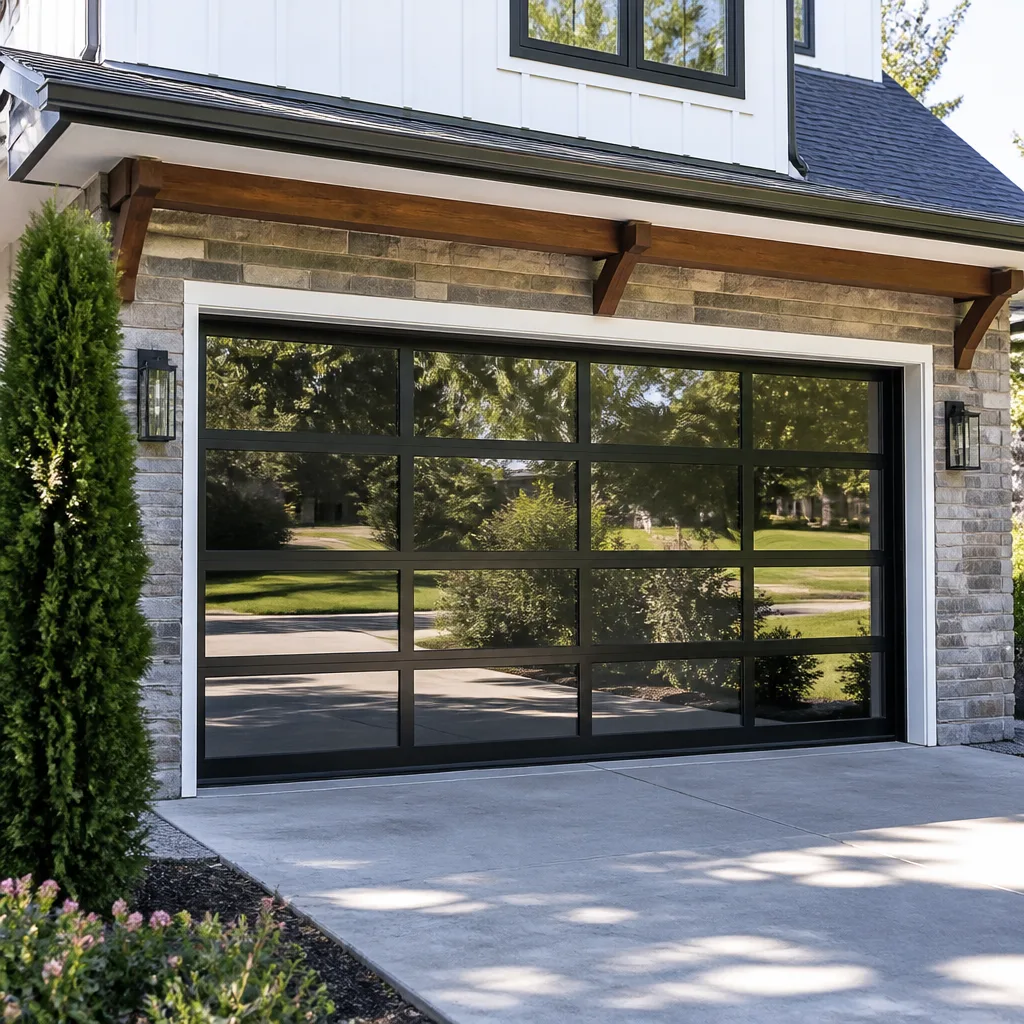 Full-view glass
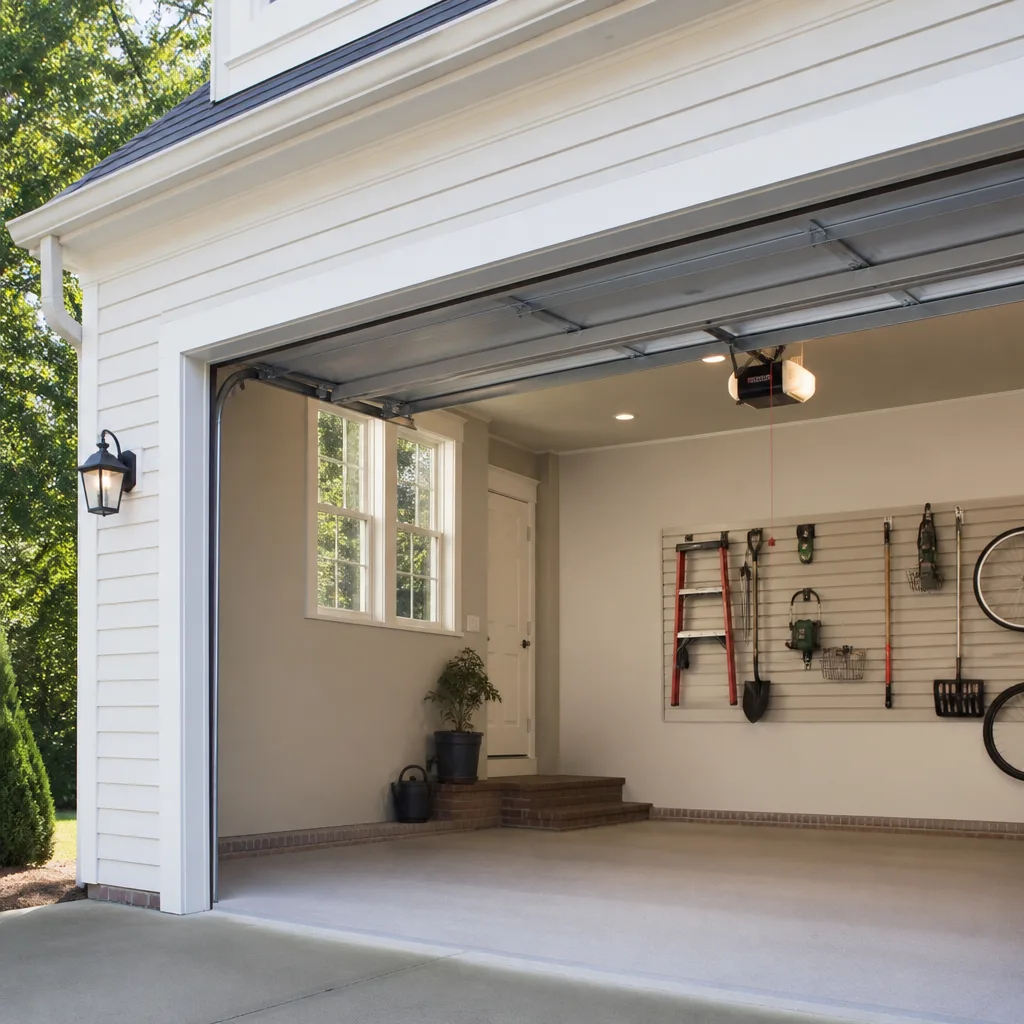 LiftMaster openers
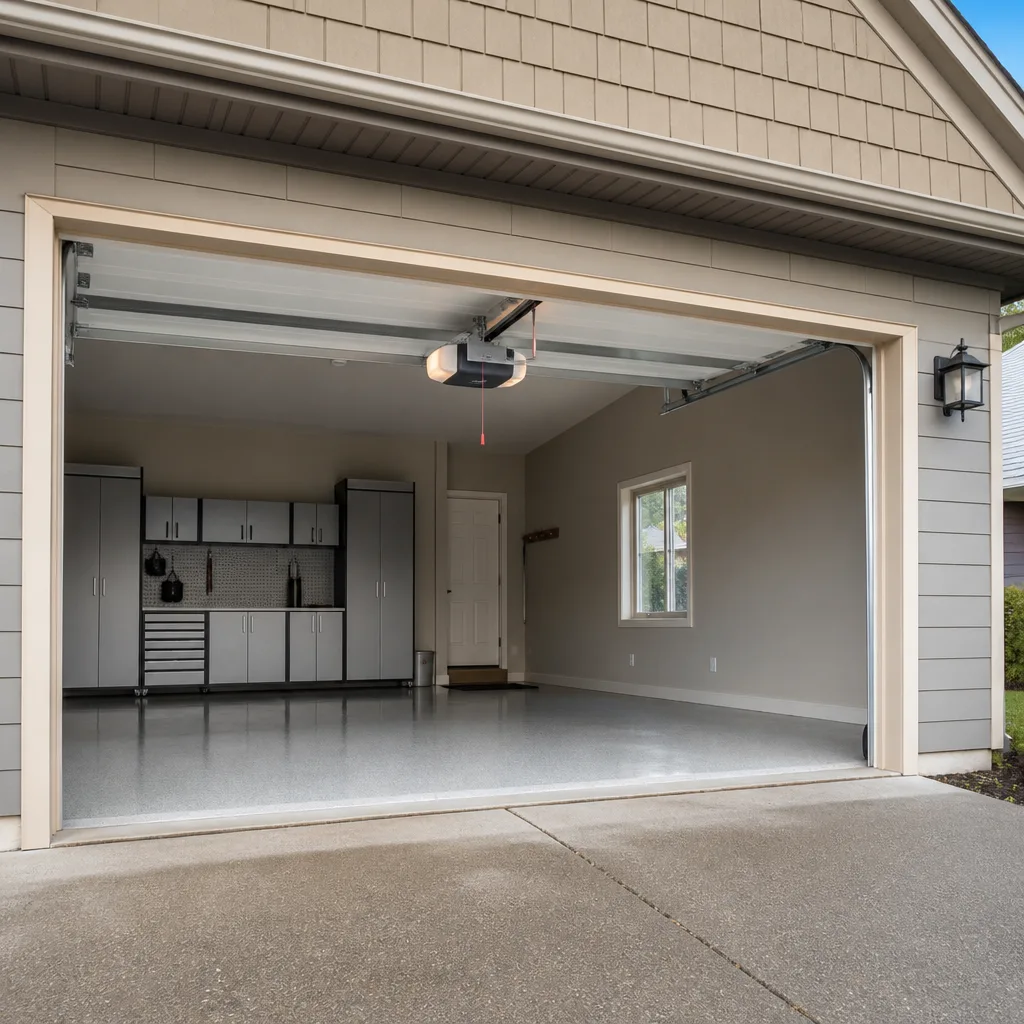 Chamberlain openers
Full 25-point door and opener safety check with every visit - springs, cables, rollers, tracks, and your LiftMaster or Chamberlain opener included
You get a price before we start. It does not change when the truck arrives.
Get your free estimateGarage Door Emergency Preparedness Guide for Aliso Viejo Homes
Here’s a number most Aliso Viejo homeowners never think about: your garage door weighs between 130 and 400 pounds depending on its size and material. That weight sits on a single torsion spring under enormous tension, and when that spring fails, it doesn’t fail quietly. The good news is that most garage door emergencies in Aliso Viejo follow one of three patterns: a door stuck open, a door stuck closed, or a door that won’t respond after a Santa Ana wind event knocks out power. This guide walks you through exactly what to do in each scenario, how to do it safely, and which two things you should never attempt without a trained technician. By the time you finish reading, you’ll have the knowledge to keep your family safe and your home secure when the unexpected happens.
Styles & brands we work with
- Raised-panel steel
- Carriage house
- Modern flush
- Full-view glass
- LiftMaster openers
- Chamberlain openers
Quick Answer
A garage door emergency in Aliso Viejo typically falls into three categories: a door stuck fully open after a spring or cable failure, a door stuck closed and blocking your car, or an opener that goes dead during a power outage. The most common emergency call we receive during Santa Ana season isn’t for damage at all. It’s from homeowners who never learned how to disengage their opener and operate their door manually, a procedure that takes about 45 seconds once you know where the release cord is. The safest immediate response for any spring, cable, or structural failure is to leave the door where it sits, secure the opening if it’s stuck open, and call a professional before attempting any further operation.
Table of Contents
- What to Do When Your Opener Has No Power
- Manual Release: The 45-Second Skill Every Homeowner Needs
- Door Stuck Open: Securing Your Home Safely
- Door Stuck Closed: Getting Your Car Out Without Damage
- When a Spring or Cable Breaks Mid-Motion
- Post-Earthquake Inspection for Aliso Viejo Homes
- Creating Your Household Emergency Reference Card
- Common Mistakes to Avoid
- When to Call a Professional
- Frequently Asked Questions
- The Bottom Line
What to Do When Your Opener Has No Power
Santa Ana winds knock out power to pockets of Aliso Viejo every single year. The neighborhoods near Aliso Creek and up against the foothills of Aliso Viejo tend to lose power first, and it usually happens at night when the winds peak around 2 to 4 a.m. When your garage door opener loses power, the motor is dead, but your door is perfectly fine. The problem isn’t mechanical. It’s that the opener’s electronic brain is holding the door in place, and you need to release that grip manually.
Here’s the sequence that works across every major opener brand on the market:
- Check the breaker first. Fifteen percent of “dead opener” calls turn out to be a tripped GFCI outlet in the garage. Reset it before doing anything else. Modern openers in Aliso Viejo homes are required to be on GFCI circuits, and these outlets trip easily during wind-driven power fluctuations.
- Look for the emergency release cord. This is the red-handled cord hanging from the opener rail. It’s usually in the center of the rail, about 2 feet from the motor unit. On Chamberlain and LiftMaster models, the cord hangs from a trolley that sits directly below the motor when the door is closed.
- Pull the cord straight down and toward the door. You’ll hear a click when the trolley disengages from the drive chain or belt. The door is now in manual mode.
- Lift or lower the door by hand. A properly balanced door should lift with roughly 10 to 15 pounds of effort. If it feels heavy or wants to slam shut, the springs may have a problem that the opener was masking. Stop operating it and call a technician.
The key detail most people miss is step one. We’ve lost count of how many Aliso Viejo residents have called in a panic only to discover their garage outlet tripped during a wind event. The opener wasn’t dead at all. The power was interrupted to the outlet, and a 10-second reset restored full operation.
If you do need to operate the door manually during an outage, be aware that modern openers with battery backup, common on newer LiftMaster and Chamberlain units, will continue running for 24 to 48 hours after power loss. If your opener has a battery backup, you don’t need to disengage anything. Just use the wall button or remote normally until utility power returns.
Manual Release: The 45-Second Skill Every Homeowner Needs
Every opener made in the past 40 years includes a manual release mechanism, but not every release cord is easy to find. Homeowners in Aliso Viejo call us regularly because they’ve searched for the release cord and can’t locate it. On most models, the red cord is obvious. On two specific configurations, it isn’t.
The two non-obvious release locations you should know about:
- Genie belt-rail models: The release cord on Genie’s belt-driven openers doesn’t hang from the center rail like most brands. It’s integrated into the carriage assembly at the front of the rail near the door header. If you’re standing in your garage looking up, it’s the cord hanging closest to the wall above the door opening, not the one near the motor.
- Raynor jackshaft openers: Raynor’s wall-mounted jackshaft units put the release on the front of the motor housing itself, not on a rail. The cord is shorter than a standard ceiling-mounted release and often red with a small plastic ball at the end. It’s easy to miss because it hangs against the wall rather than from the ceiling.
Once you’ve found the cord, pull it toward the door with a firm downward motion. You should hear the trolley disengage. To re-engage the opener after power returns, pull the cord again toward the door and run the opener once. The trolley will reconnect automatically on most modern Chamberlain, LiftMaster, and Craftsman models.
Here’s a practical habit worth forming: practice the manual release once during daylight hours. Not during an emergency. Not when you’re late for work. Pick a Saturday. Pull the cord. Operate the door by hand twice. Re-engage the opener. It takes five minutes and eliminates the panic factor when a real outage or emergency happens at 6:45 a.m. on a workday.
If the release cord is missing entirely, which happens when a previous owner removed it after it got tangled in a roof rack, don’t attempt to fabricate one. Call a garage door opener repair in Aliso Viejo technician who can replace the assembly properly.
Door Stuck Open: Securing Your Home Safely
A garage door stuck fully open is the most common true emergency we respond to in Aliso Viejo. The causes vary: a broken spring, a snapped cable, a bent track from a minor vehicle impact, or a fuse failure in the opener’s logic board. Whatever the cause, an open garage door is a security problem and a weather problem. The Santa Ana winds will push debris, leaves, and dust into your garage within hours, and an open door invites exactly the kind of opportunistic theft that every Aliso Viejo resident knows to guard against.
Your first priority is securing the opening. Here’s the safe sequence:
- Disconnect the opener. Pull the emergency release cord so the door isn’t fighting the motor when you work on it. If the opener tries to close a door with a broken spring, it will strip the gears inside the motor unit, turning a simple repair into an expensive one.
- Attempt a two-person manual close. If the door closes smoothly by hand with moderate effort from two people, guide it down gently. One person on each side, lowering slowly. The door should not require excessive force. If it’s fighting you, stop immediately.
- If the door won’t move: do not force it. A door with a broken torsion spring can weigh 300 pounds or more without counterbalance. Forcing it closed will bend tracks, snap cables, and potentially injure whoever is underneath.
- Secure the opening temporarily. If you can’t close the door mechanically, cover the opening with a secured tarp or have someone stay home until a technician arrives. For homes with an attached garage, lock the interior door between the garage and living space. This is critical. An open garage without a functioning door means your interior home lock is now your primary security line.
- Call for repair. The faster a broken spring gets replaced, the less strain your remaining hardware endures. A single broken spring left unaddressed for days puts uneven load on the door, which can warp the door panel itself over time.
In neighborhoods throughout Aliso Viejo, from the single-family homes near Aliso Viejo Country Club to the attached-garage townhomes off Wood Canyon, an open garage door after dark is a visible invitation. We’ve had customers in Aliso Viejo secure an open door with ratchet straps looped through the bottom seal and anchored to the floor track bolts as an overnight measure. That works short-term, but it’s a stopgap. Don’t rely on it for more than a night.
Door Stuck Closed: Getting Your Car Out Without Damage
The second most common garage emergency is the inverse: a door that won’t go up, with your car trapped inside. This scenario is more urgent for most families because it creates an immediate logistics problem. You need to get to work. Your kids need to get to school. Whatever the opener problem is, it now owns your schedule.
Before you pull the manual release and try to lift the door, diagnose what you’re dealing with:
- Opener runs but door doesn’t move: This usually means the trolley has detached or the drive gear inside the opener has stripped. Disengage and lift manually. If the door lifts normally by hand, your opener is the problem, not the door itself.
- Opener is dead silent: Check the breaker and the GFCI outlet. If power is fine, the logic board or motor may have failed. Disengage and lift manually.
- Door starts to lift but stops after a few inches: This is almost always a spring problem or an obstruction in the tracks. Do not force it. Manually lifting a door with broken springs is dangerous and can damage the door panels.
- Visible cable hanging loose or spring gap: This is a spring failure. Do not operate the door. At all. Call a professional.
- Stop operating the door immediately. This is the single most important instruction we give. Every additional opener cycle after a spring or cable failure compounds the damage. The opener’s motor doesn’t know the spring broke. It just keeps pulling, and that pulling force now goes into the door panels, the hinges, and the opener drive itself. What was a $300 spring replacement becomes a $900 job with a new opener if you keep pressing the button.
- Do not stand under the door. If the remaining cable or spring component fails, the door can drop without warning. Keep children and pets away from the door entirely until a technician arrives.
- If the door is partially open and blocking a vehicle, leave it. The damage is done. The repair is coming. Trying to force the door up or down on broken hardware is how Aliso Viejo homeowners end up with bent panels that a simple spring replacement wouldn’t have caused.
- Call for service. Spring replacement is a same-day job for a garage door repair in Aliso Viejo company with the parts in stock. The longer you wait, the more stress the door’s remaining components carry.
- Track alignment brackets: The L-shaped brackets that hold the vertical tracks to the wall are the first thing to check. Look for fresh gaps between the bracket and the wall, cracked drywall around the mounting bolts, or brackets that appear tilted. A door that operates on misaligned tracks will bind, scrape, and eventually jam.
- Spring anchor points: On torsion spring systems, the center bracket above the door opening takes enormous lateral force during shaking. Look for visible cracking around the bracket mounts or any gap between the bracket and the header. If the spring assembly has shifted even a quarter-inch, the spring balance is compromised.
- Door panel hinges: Walk the length of the door and look at every hinge. After an earthquake, hinges can loosen or the roller stems can pop out of the track. If a roller is off the track, do not operate the door. Call a technician.
- Opener rail connections: The opener rail attaches to the header above the door and to the ceiling. After shaking, the lag bolts can work loose. If the rail moves more than a half-inch when you wiggle it, the opener needs re-securing before the next automated cycle.
- Manual release instructions: Two sentences. “Pull the red cord hanging from the opener rail toward the door to disengage. Lift the door by hand.” Write it in words your kids can follow, because they might be the ones at home when the power drops.
- Emergency contact number: Alder Garage Door Repair at (855) 382-4001. Write it large enough to read in low light.
- The two never-attempt rules: “Never work under a partially open door. Never touch a broken spring or cable.” These two rules, followed by everyone in the household, eliminate the most dangerous outcomes of a garage door emergency.
- Breaker location: If your garage outlet trips, knowing which breaker controls the garage circuit saves 10 minutes of fumbling through the main panel.
- Pressing the opener button repeatedly after a spring breaks. Every additional cycle compounds the damage. One broken spring becomes a bent panel, a stripped opener gear, and a snapped cable. The moment you hear that loud metallic snap, stop using the button.
- Forcing a heavy door closed by hand. If the door isn’t moving smoothly with moderate effort, the spring balance is gone. Forcing it closed bends tracks and panels. More importantly, a door that drops unexpectedly can injure whoever is beneath it.
- Leaving an open garage door unsecured overnight. In Aliso Viejo, an open garage after dark is a target. Lock the interior door, secure the opening as best you can, and get the repair scheduled before nightfall if possible.
- Ignoring a door that’s heavier than it used to be. Manual operation should be nearly effortless. If your door is getting heavier over time, the spring is failing gradually. Deal with it now, not when it fails at 7 a.m. on a Monday.
- Attempting DIY spring replacement. Torsion springs carry potentially lethal tension. There is no safe way to replace these without the proper winding bars and experience. The money saved is never worth the risk.
- Not testing the opener battery backup. If you have a newer Chamberlain or LiftMaster opener with battery backup, test it once a year. The battery degrades over time, and an untested battery backup that’s been quietly dying for three years provides exactly zero benefit when the power drops.
If the door lifts smoothly by hand after disengaging the opener, you can drive your car out and deal with the opener repair on your schedule. Just remember to manually close the door behind you and lock it if your door has a slide lock. Most Aliso Viejo garages don’t have slide locks anymore, but if yours does, now is the time to use it.
One point worth making clearly: if your door lifts by hand but feels heavier than it used to, that’s not normal. A properly balanced garage door should feel almost weightless when you lift it manually, like pushing a cart on level ground. If yours feels like a deadlift, the spring is losing tension and will fail completely, probably soon. Get it addressed before the emergency becomes a full-blown one.
When a Spring or Cable Breaks Mid-Motion
A broken torsion spring sounds like a gunshot. We say this to every Aliso Viejo homeowner we talk to because we want you to know what you’re hearing when it happens. If you’re in the house and hear what sounds like a loud metallic snap from the garage, followed by the door not responding correctly, you’ve almost certainly lost a spring. The sound is distinct and loud enough to hear from upstairs.
A snapped cable is quieter but visually obvious. When a cable breaks, it falls away from the drum at the top of the track and hangs loose against the wall. The door will often appear lopsided, with one side sagging lower than the other, because the remaining cable is holding that side while the other side has nothing supporting it.
Here’s what to do, in order:
One thing we want to be direct about: broken spring replacement is not a DIY job. Torsion springs hold hundreds of pounds of torque even at rest. The winding bars and safety procedures required are not something a homeowner should attempt from a YouTube video, regardless of how confident the video host sounds. We’ve seen the aftermath of DIY spring work in Orange County, and it’s never worth the money saved. Call a professional who carries proper winding tools and knows the correct spring size and tension for your specific door weight.
Post-Earthquake Inspection for Aliso Viejo Homes
Aliso Viejo sits in a seismically active region, and while the city hasn’t experienced a major quake in recent decades, the hillside developments throughout the area are built on fill soil that amplifies shaking. After any earthquake strong enough to rattle the windows, your garage door deserves a visual inspection before you operate it.
The four hardware points most likely to shift or crack in a seismic event:
Run the opener through one full cycle after your inspection. Listen. A properly functioning door should sound smooth and consistent, without grinding, popping, or hesitation. Any new noise after an earthquake is a reason to stop using the door and call for professional assessment. The cost of an inspection is small. The cost of operating a door with earthquake-damaged hardware is a full system failure later.
Creating Your Household Emergency Reference Card
Emergencies don’t happen at convenient times, and when they do, you won’t want to search through your phone for instructions. A one-page reference card taped inside the garage, near the interior door where everyone sees it, solves this problem permanently.
Your household reference card should include:
Take 10 minutes this weekend. Write the card. Tape it next to the interior garage door at eye level. It’s the kind of small preparation that seems unnecessary until the morning you need it, and then it’s the difference between 45 seconds of calm and an hour of frustration.
If your household includes teenagers or a spouse who’s never manually operated the garage door, run through the release procedure with them once. The practice matters more than the document. In our experience, homeowners who’ve practiced opening and closing their door manually once handle emergencies with calm. Those who haven’t, don’t.
Common Mistakes to Avoid
When to Call a Professional
Some garage door problems resolve with a breaker reset or a manual release cycle. The situations below do not. Call us at (855) 382-4001 for any of the following: broken springs, snapped cables, doors that are visibly off-track, operators that have been hit by vehicles, and any post-earthquake concerns about door alignment or hardware integrity. These are not scenarios to troubleshoot by hand.
We work on all eight major garage door and opener brands, including Craftsman, Raynor, LiftMaster, and Chamberlain, so we’ll diagnose your system correctly the first time. If your door can be repaired rather than replaced, that’s what we’ll recommend. Alder Garage Door Repair offers free estimates in Aliso Viejo. Call (855) 382-4001 and a technician will assess the damage, explain the repair, and quote a price upfront before any work begins.
Frequently Asked Questions
Emergency garage door repair in Aliso Viejo typically runs $150 to $450 depending on the problem, with broken spring replacement accounting for most emergency calls at roughly $250 to $400 including parts and labor. Opener logic board failures run $180 to $300. Cable replacement is usually $150 to $250. Every repair at Alder Garage Door Repair is quoted and agreed upon before we touch your door. Call (855) 382-4001 for an exact quote.
Yes, every garage door opener made in the past 40 years includes a manual release cord, usually red, hanging from the opener rail. Pull it toward the door to disengage the motor, then lift the door by hand. A properly balanced door lifts easily. If it feels heavy or resists movement, the springs may have an issue and you should stop and call for service. On Genie belt-rail models and Raynor jackshaft openers, the release cord is in a less obvious location than standard ceiling-mounted openers.
Stop using the door immediately and call a professional. A door off its track cannot be forced back into place without damaging the rollers, the track, or the door panels. Track realignment is a standard repair for a garage door repair in Aliso Viejo technician with the right tools, and it’s typically resolved in a single service call. Do not operate the opener, and keep everyone clear of the door until it’s been inspected.
You’ll usually hear a loud metallic snap from the garage followed by the door refusing to open or opening only a few inches before stopping. Visually, a broken torsion spring shows a visible gap in the spring coil above the door opening. A broken extension spring, common on older doors, will hang loose or separated along the side track. If you see either, stop operating the door and call for repair before cycling the opener again.
Alder Garage Door Repair services all eight major garage door and opener brands, including LiftMaster, Chamberlain, Craftsman, Genie, Clopay, Amarr, Wayne Dalton, and Raynor. We diagnose before we recommend, which means we’ll fix your existing system when it can be fixed rather than pushing a replacement you don’t need. From the Alder Garage Door Repair home to your garage, the same brand-trained technician handles your call.
Most opener problems are repairable, especially when the issue is the logic board, drive gear, limit switches, or capacitor. Replacement typically makes sense when the opener is over 15 years old, the motor itself has failed, or the unit lacks modern safety features like auto-reverse sensors. A technician from our garage door opener repair in Aliso Viejo team can test your opener and give you a straight answer on repair versus replacement. If replacement is the right call, we also handle garage door installation in Aliso Viejo.
The Bottom Line
Garage door emergencies in Aliso Viejo follow predictable patterns. The power goes out during Santa Ana winds and you need to operate the door manually. A spring breaks and the door gets stuck. A cable snaps and the door won’t move. Each has a safe, specific response procedure, and the most important step in every scenario is the same: stop operating the door, secure your home, and call a professional who understands your system. Learn the manual release procedure before you need it. Practice it once. Write down the emergency number. When the unexpected happens, you’ll handle it with calm instead of panic, and your door will be back in service faster because you didn’t compound the damage by pressing the button one more time.
Written by the team at Alder Garage Door Repair, serving Aliso Viejo since 2017.
See the difference
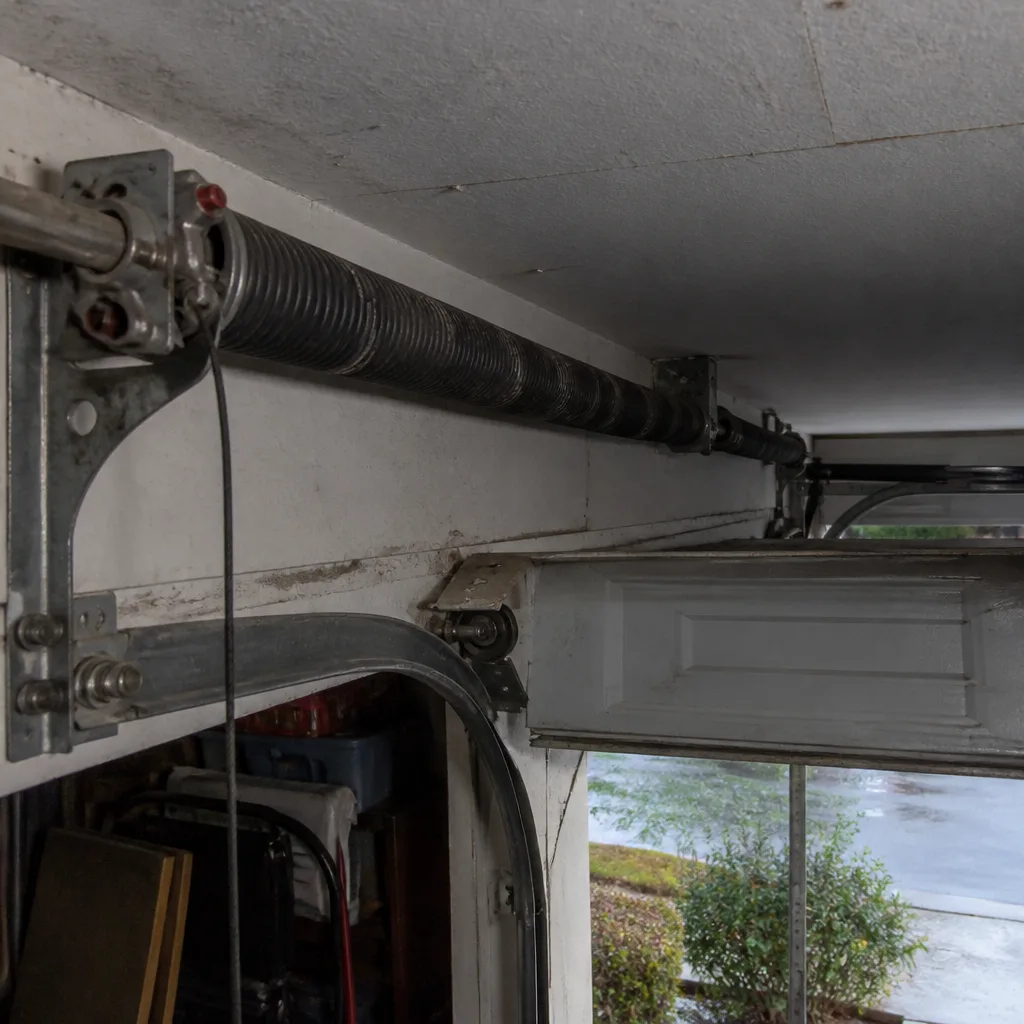 Before
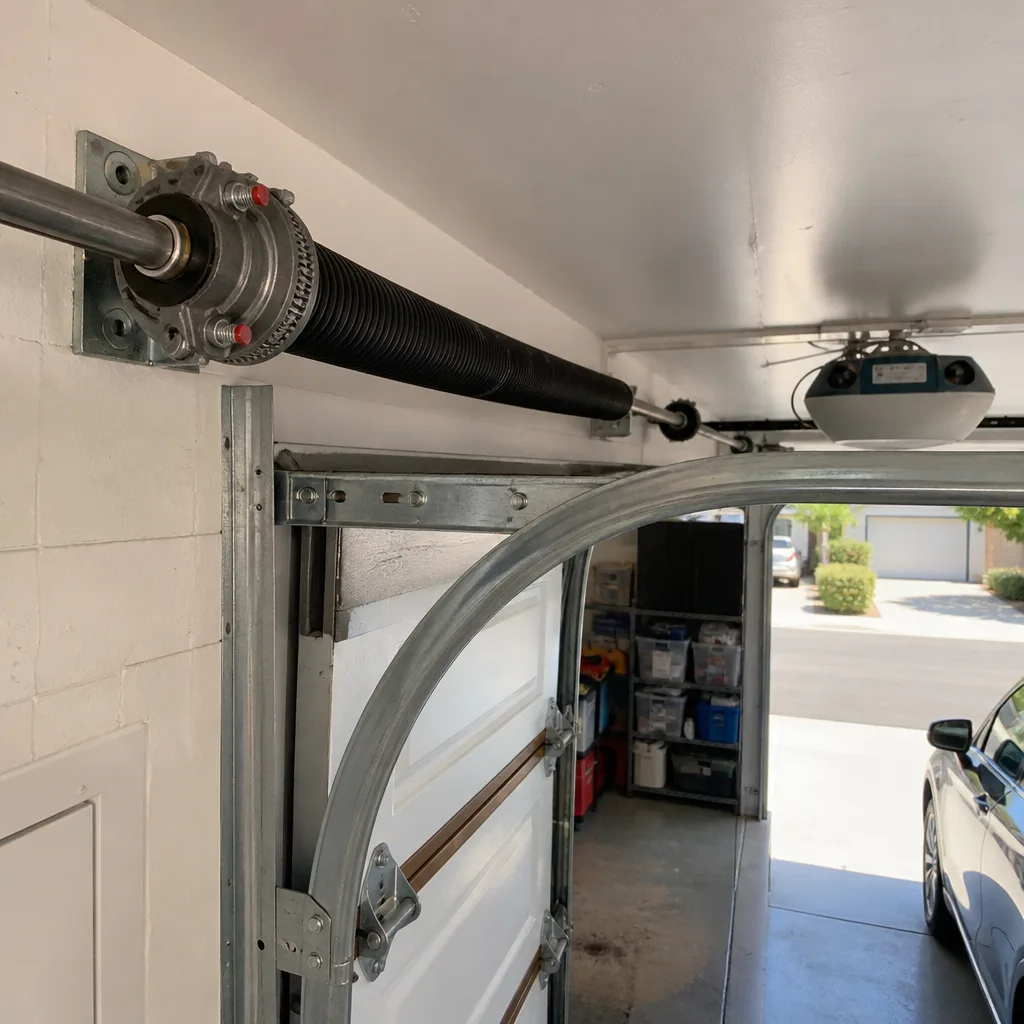 After
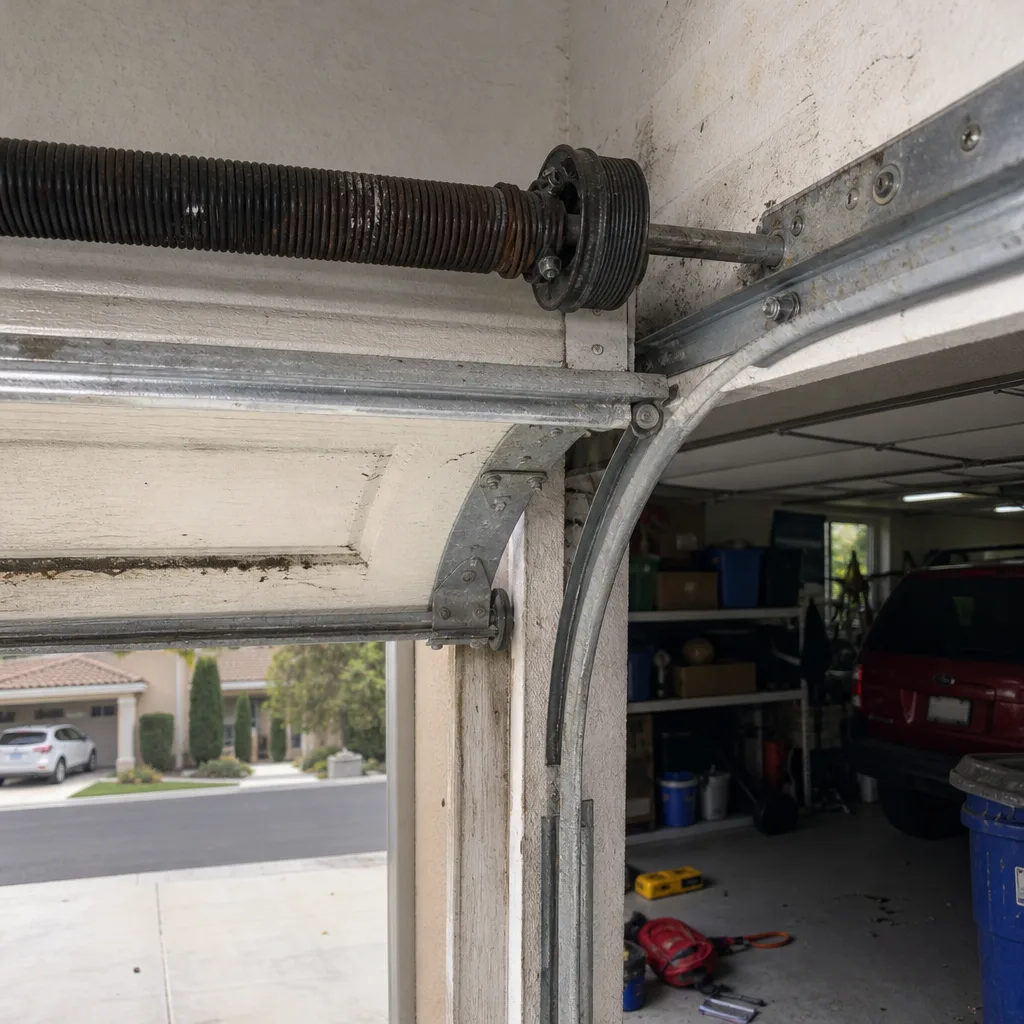 Before
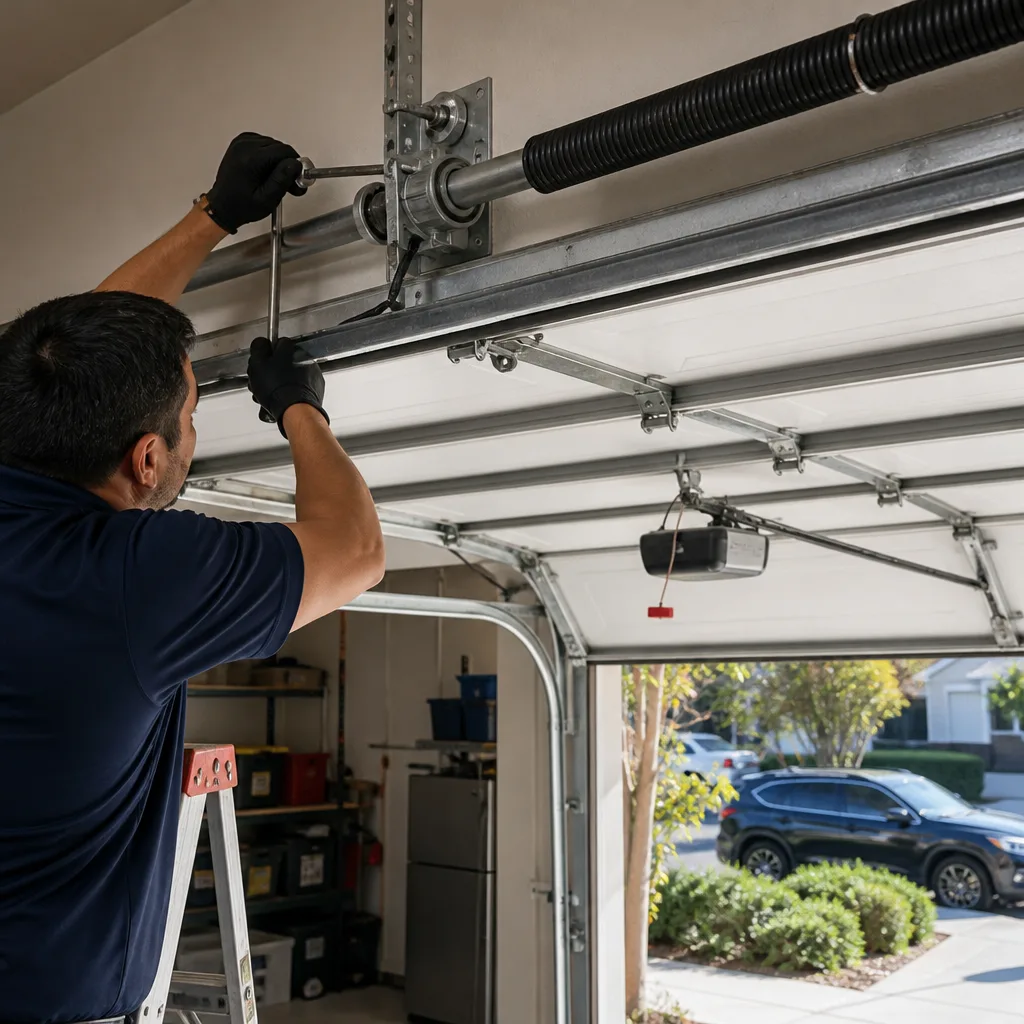 After
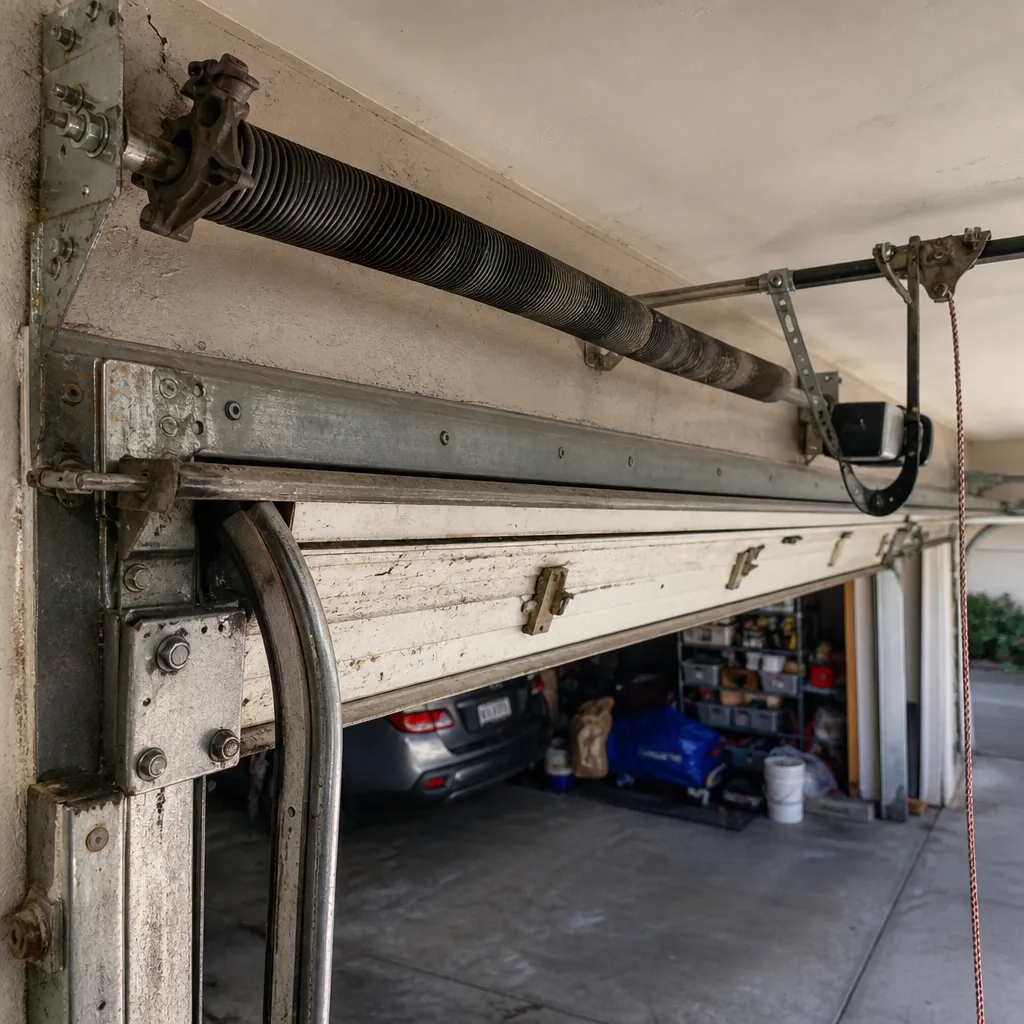 Before
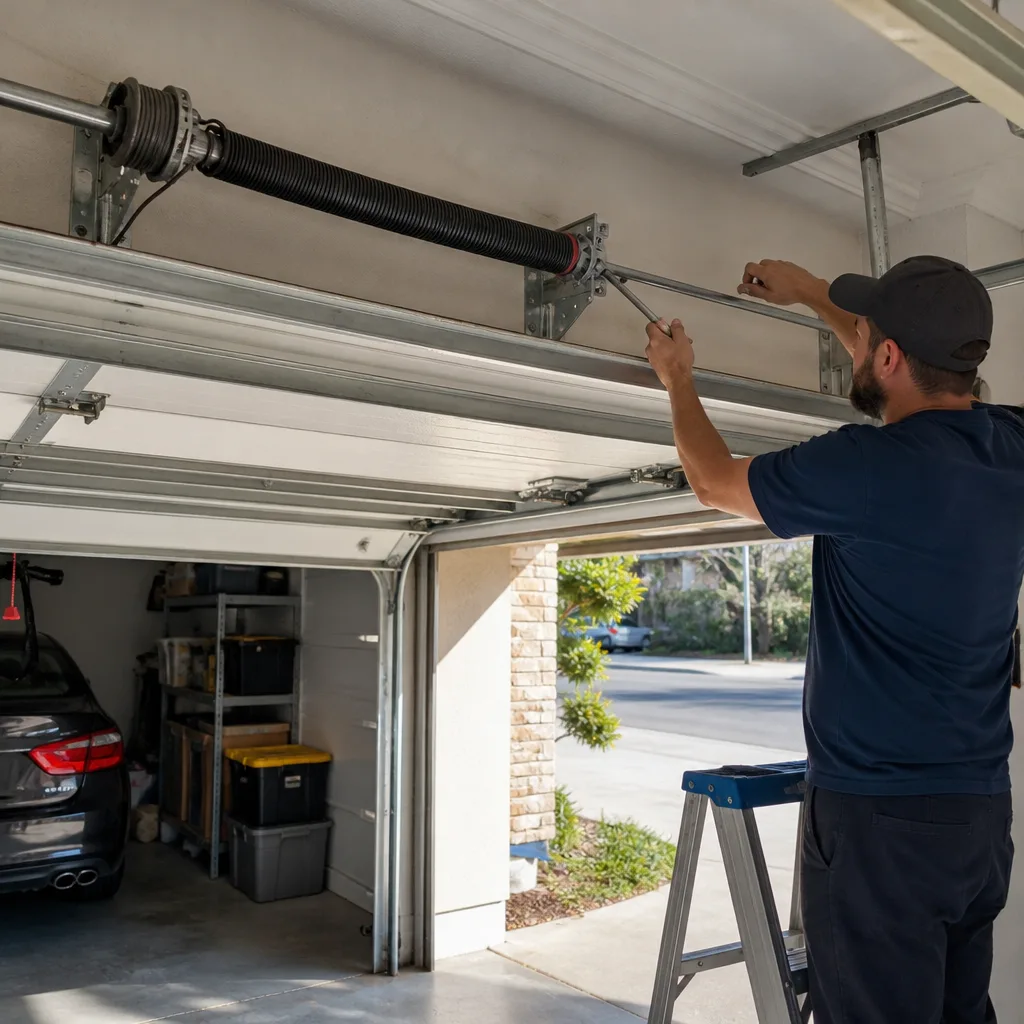 After